Caleb Turner

Begin with a meticulous surface preparation. Sand the item using a medium-grit paper to remove any gloss and imperfections, progressing to a finer grit for a smooth finish. Ensure that all dust is thoroughly cleaned off before applying any product. A well-prepped surface is critical for achieving lasting results.
Select the right coating for your needs. For a durable finish, consider using polyurethane or an oil-based product. If you desire a matte appearance, opt for a water-based solution that dries quickly and is easy to clean. Each option has unique properties, so understanding these will help make an informed choice.
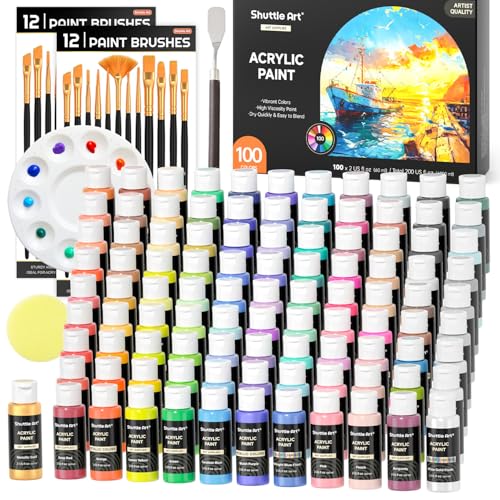


Apply the chosen coating in thin layers. Use a high-quality brush or foam applicator to achieve a uniform application. Allow adequate drying time between coats, usually recommended by the manufacturer. Multiple thin layers will enhance durability while preventing drips or bubbles.
Finally, protect your creation with a final buff or wax application once it’s fully dry. This not only adds shine but also provides an additional layer of protection against wear and tear. Regular maintenance will help preserve the integrity and beauty of your timber investment for years to come.
Techniques to Alter and Protect Wooden Pieces
Begin with thorough surface preparation. Sand the item using 120-grit paper, progressing to 220-grit for a smooth finish. Wipe off the dust using a damp cloth to ensure a clean base for the new layer.
Choose a suitable primer to enhance adhesion. Applying a high-quality primer will prevent peeling and improve the durability of the subsequent coatings. Allow adequate drying time as indicated by the manufacturer.
Select your coating material based on desired aesthetics and durability. Options range from acrylic latex to oil-based solutions, each offering unique benefits.
- Acrylic latex dries quickly and can be cleaned with water.
- Oil-based options provide a durable finish, though they require mineral spirits for cleaning.
Apply the chosen material using a high-quality brush or roller for a smooth application. Begin with thin layers, allowing each to dry completely before adding more. This will avoid drips and uneven texture.
For an added layer of protection, consider a topcoat. Polyurethane or a clear acrylic sealer will enhance durability, especially for surfaces subject to heavy use.
- Choose an appropriate finish for the project.
- Apply the sealer following the manufacturer’s instructions.
- Allow the top layer to cure fully before subjecting the item to use.
Lastly, maintain the surface by cleaning with a damp cloth and avoiding harsh chemicals. Regular upkeep will prolong the life of the renewal effort.
Choosing the Right Type of Paint for Wood
For achieving a durable and visually appealing outcome, I recommend using alkyd or acrylic options. Alkyd provides a hard finish, perfect for surfaces that demand resilience. On the other hand, acrylics are user-friendly, quick-drying, and easier to clean up with water.
Consider the Sheen Level
It’s crucial to choose a sheen that reflects the desired aesthetic and functionality. Matte offers a subtle look, while satin strikes a balance between smoothness and durability. Glossy finishes make colors pop but require proper surface preparation to avoid imperfections.
Environmental Factors
In terms of indoor versus outdoor use, I strongly suggest utilizing exterior-specific formulations for anything exposed to the elements. These options contain additives to resist moisture, UV damage, and mildew. Always check the label for intended use to ensure longevity.
Ultimately, reading product reviews and conducting tests on sample areas can guide the decision process. Testing different types will also reveal how they interact with the specific grain and texture of the piece, enabling you to achieve the best results. Choose wisely to achieve the desired final appearance and durability.
Preparing Surfaces for Coating
Ensure the substrate is clean and free of dust before any treatment. I thoroughly wipe down the item with a damp cloth to remove debris. For stubborn residues, a mild detergent solution can be useful. After cleaning, I let it dry completely.
I routinely sand the piece to create a smooth base while enhancing adhesion. I prefer 120-grit sandpaper for initial sanding, followed by a finer 220-grit for finishing touches. Sanding with the grain minimizes scratches, leading to a more polished appearance. Once sanding is complete, I vacuum the surfaces to eliminate any remaining particles.
If the substrate has an existing coating, I gently scrape away loose layers using a putty knife or a paint scraper. Applying a chemical stripper for remaining materials is also a practical option. Once I remove the old finish, I wash the piece again to ensure all stripper residue is cleared away.
For furniture with knotty areas, I apply a knot sealant using a brush. This step prevents the knots from bleeding through the new layer. Also, a primer should be considered, especially on porous surfaces. It not only improves adhesion but also provides uniformity in absorption, yielding a more consistent finish.
Inspect for imperfections post-preparation. Filling any cracks or holes with wood filler offers a seamless surface. After the filler has dried, I sand it flush with the surrounding area, ensuring every part is smooth.
Final cleaning is crucial; I use a tack cloth to pick up remaining dust particles before moving forward. This thorough preparation results in an optimal foundation for the subsequent layers.
Applying Primer for Better Adhesion
I recommend using a high-quality primer specifically designed for your surface. This creates a uniform base for subsequent layers.
Here are steps to apply primer effectively:
| Step | Details |
|---|---|
| 1 | Ensure the surface is clean and dry. Remove dust and debris with a damp cloth. |
| 2 | Use a sandpaper to lightly roughen the surface, promoting better bonding. |
| 3 | Choose a primer that matches the final coat type, whether water-based or oil-based. |
| 4 | Apply the primer evenly with a brush or roller, following the wood grain for a smooth finish. |
| 5 | Allow sufficient drying time as suggested by the manufacturer before applying the top coat. |
| 6 | Inspect for any imperfections and sand lightly before applying additional primer if needed. |
Using a primer enhances durability and provides a strong foundation, making the final outcomes more satisfactory. Always consider ambient conditions for optimal drying and adhesion results.
Selecting the Best Brushes and Tools for Application
I recommend investing in high-quality synthetic or natural bristle brushes. Synthetic bristles are perfect for water-based formulations, as they hold their shape and don’t swell in moisture. For oil-based mixtures, go for natural bristle options, which are ideal for smooth application and blending.
A foam roller can also prove beneficial for larger surfaces, ensuring an even layer with fewer brush strokes visible. Opt for a 3/8 to 1/2-inch nap roller for a smooth finish on semi-smooth surfaces.
For intricate areas, a 1-inch angled brush allows for precision, making it easy to reach corners and details without making a mess. Consider having a variety of sizes on hand for flexibility in application.
Add a paint tray for efficient loading and minimizing wastage. A good-quality drop cloth is crucial for protecting floors and creating a tidy workspace.
Don’t overlook the importance of sanding pads or sponges, which help with surface preparation and smoothing between applications. Use a fine-grit option to ensure it doesn’t leave marks.
Lastly, always clean your tools promptly after use. This maintenance prolongs their lifespan and maintains performance for future tasks.
Techniques for Even Application
I always begin with a proper technique to ensure an even application of color across the surface. Using long, even strokes helps to distribute the pigment uniformly. I prefer starting at one edge and working my way across in sections, applying light pressure to avoid excessive buildup in any area.
Use of a Sprayer
For larger surfaces, a sprayer is my go-to tool. I maintain a consistent distance from the surface, usually around 6 to 12 inches, to prevent drips. Moving the sprayer in a steady motion, I overlap each pass by about 50% to guarantee complete coverage.
Proper Brush Technique
When using a brush, I focus on a ‘W’ or ‘M’ motion. This technique allows me to cover the area without streaks. I also make sure to dip only the tip of the brush into the pigment, keeping it saturated but not overloaded. Frequent dipping helps maintain a smooth flow while working.
I always check for runs or drips before the finish dries. If I see any imperfections, I gently smooth them with a clean brush or lint-free cloth. This small detail saves a lot of time in touch-ups later on.
Understanding Drying and Curing Times
For optimal results, I ensure a clear distinction between drying and curing durations. Drying refers to the process when the top layer of the applied material feels dry to the touch, usually taking a few hours. However, curing is a more extended process where the entire substance hardens and bond with the surface, which can take weeks.
I often check product labels for specific timeframes since each compound offers unique properties. Fast-drying options typically require 1-3 hours to dry but may not reach full hardness for several days. Conversely, slow-drying materials allow more working time but might take longer to cure fully.
Environmental conditions play a significant role. A humid atmosphere can prolong drying, while warmer temperatures can expedite it. I keep the area well-ventilated, as airflow assists in speeding up these processes.
Patience is critical. I resist the urge to apply additional layers too soon, as this can lead to peeling or uneven textures. For best results, I adhere to the manufacturer’s recommendations regarding wait times before applying subsequent coats or finishing layers.
Lastly, thorough monitoring of these times is crucial; I regularly perform touch tests and observe the surface for any signs of stickiness or flaws before proceeding with further treatment. This attention to detail ensures a high-quality outcome that lasts.
Tips for Achieving a Smooth Finish
Ensure the surface is impeccably clean, removing dust and grease with a damp cloth or tack cloth before you start. I often use a fine-grit sandpaper to smooth out imperfections. After sanding, I wipe down the surface again to eliminate any residual particles.
Utilize a high-quality primer; it establishes a solid base that promotes adhesion. Applying it with a foam roller often produces fewer brush strokes than a traditional brush. Remember to sand lightly between coats to achieve a silky texture.
Select the right tools, such as synthetic brushes for water-based formulations, as they provide better results. For oils, natural bristles work best. Keeping a wet edge during application can minimize streaks, so work in sections and blend as you go.
Adjusting the environment is key; maintaining low humidity and a consistent temperature topples potential issues with drying. I often choose to wait for favorable weather conditions or use a dehumidifier, which helps in achieving a flawless coat.
Once I finish one layer, I allow ample time for drying, but I also keep an eye out for the curing period. Patience is critical, as rushing may result in a bumpy finish. After everything is thoroughly dry, I apply a clear topcoat to seal and enhance durability.
Lastly, carefully inspect the work after completion. If flaws are detected, I don’t hesitate to sand and reapply to refine the surface to perfection.
Sealing and Protecting Your Painted Furniture
Apply a clear coat to safeguard the surface against scratches and stains. I recommend polyurethane or acrylic sealers for their durability and ease of use.
- Choose water-based options for low odor and quick drying times.
- Oil-based sealers tend to provide a thicker, more durable finish but require longer curing times.
Before application, make sure the previous layer is completely dry. Lightly sand with fine-grit paper to promote adhesion before adding the sealer.
Use a high-quality brush or foam applicator to achieve an even layer. Apply thin coats, allowing each to dry fully, typically within 2-4 hours, before applying the next.
Avoid placing items on the newly sealed surface for at least 48 hours to ensure complete curing. If you’re in a humid location, extend this time frame accordingly.
- For a glossy finish, opt for a glossy or semi-gloss sealer; for a matte look, select a matte option.
- Consider adding a second coat for enhanced protection against moisture and wear.
Regular maintenance, such as cleaning with a damp cloth and avoiding harsh chemicals, will prolong the life of your treatment. With proper care, your revitalized pieces will maintain their charm for years to come.
FAQ:
What kind of paint should I use for wood furniture?
When selecting paint for wood furniture, it’s important to consider the finish you desire. Latex paint is a popular choice for its ease of use and quick drying time. If you prefer a glossy finish, oil-based paints can provide a durable and smooth surface, although they take longer to dry and require solvents for cleanup. Chalk paint is favored for its matte look and ability to adhere to surfaces without prior priming, making it ideal for a vintage appearance. Be sure to choose a paint that’s specifically formulated for furniture to ensure long-lasting results.
How do I prepare wood furniture before painting?
Preparing wood furniture is a crucial step for achieving a flawless finish. Start by cleaning the surface to remove any dirt or grease. Use a mild soap and water solution, and dry thoroughly. If the furniture has existing paint or a varnish, sanding the surface will help the new paint adhere better. Use medium-grit sandpaper followed by fine-grit for a smooth finish. For significant damage or deep scratches, fill them with wood filler, let it dry completely, and sand it down to align with the surrounding surface. It’s also beneficial to apply a primer, particularly if you are working with porous wood or lightening a darker color.
What finish is best for wood furniture after painting?
The choice of finish after painting wood furniture depends on the look you want and the furniture’s intended use. A clear polyurethane finish offers a durable seal and glossy shine, perfect for pieces that will face heavy use. For a softer, matte look, water-based finishes provide protection without adding shine, making them ideal for more decorative pieces. If you want a vintage feel, consider using a wax finish which gives a soft luster and is easy to apply, but may need more frequent reapplication. Always ensure that the finish is compatible with your paint, and apply multiple coats for best results.
How can I ensure an even paint application?
Achieving an even paint application requires attention to detail during the painting process. Start with a good quality brush or roller; synthetic brushes are best for latex paints, while natural bristle brushes suit oil-based paints. Apply thin, even coats rather than one thick coat, as this helps prevent drips and uneven textures. Maintain a wet edge when painting to avoid visible seams. If necessary, lightly sand between coats once dried to smooth out imperfections before applying additional layers. Finally, ensure the workspace has proper ventilation and is free from dust to maintain a clean painting environment.
How long should I wait before using my painted furniture?
The drying time for painted furniture varies depending on several factors, including the type of paint used and environmental conditions. Typically, latex paint dries to the touch within an hour, but it can require up to 30 days to fully cure, depending on humidity and temperature. For oil-based paints, drying time can extend to several hours, and they also take longer to cure. To be safe, wait at least 24 to 48 hours before using the furniture, and consider placing it in a low-traffic area during the curing process to avoid scratches and dents.