Caleb Turner
If you’re facing the task of transporting hefty objects, the first thing I recommend is to disassemble them when possible. Removing legs, cushions, and any detachable components significantly reduces both weight and size, making the process less daunting. Keep all screws and parts securely stored together to simplify reassembly.
Next, invest in a set of quality moving straps or a dolly. These tools can distribute the weight evenly and greatly minimize the risk of injury. When utilizing a dolly, ensure the item is balanced and secure before proceeding to transport it. If you’re working alone, leverage ramps to move items up and down stairs rather than lifting them.
Communication with anyone assisting you is essential. Clearly establish who is handling which part of the item during transport to avoid mishaps. I’ve found that coordinating movements, like counting down to lift, makes a significant difference in efficiency and safety.
Strategies for Transporting Bulky Items
If you’re faced with the task of relocating hefty possessions, using furniture sliders can make a significant difference. These simple tools allow for smooth gliding over floors, minimizing strain.


Packing and Preparation Steps
Before lifting anything, consider these steps:
- Clear the path to your destination to avoid obstacles.
- Wrap edges with blankets to prevent scratches on walls and corners.
- Disassemble pieces if possible; this reduces weight and simplifies maneuverability.
- Utilize bubble wrap or foam corners for fragile elements during transport.
Leveraging Equipment
Invest in or rent specialized moving equipment to ease the burden:
- Hand trucks: Ideal for vertical lifting of sizeable pieces.
- Furniture dollies: Perfect for heavy, flat items, enabling movement across surfaces.
- Straps: Secure objects to prevent slipping during transportation.
Employing these strategies can significantly reduce physical challenges and protect both your belongings and your living space from damage.
Assessing Furniture Size and Weight
Begin by measuring the dimensions of each item. Use a tape measure to determine height, width, and depth. Document these measurements for reference.
Next, evaluate the weight of the pieces. If available, check the manufacturer’s specifications or consult online resources for details on each item’s mass. For particularly substantial items, consider using a bathroom scale. Weigh one part at a time, if feasible, or use multiple people to assist in determining the overall weight.
It’s crucial to consider the threshold size. Ensure that each item can fit through doorways, hallways, and around corners. For tighter spaces, remove doors or disassemble components when necessary. Create a plan outlining the path you will follow to transport your items.
| Type of Item | Approximate Weight | Dimensions (HxWxD) |
|---|---|---|
| Sofa | 200 lbs | 36″x80″x34″ |
| Coffee Table | 50 lbs | 18″x48″x24″ |
| Bed Frame | 150 lbs | 54″x75″x14″ |
| Dresser | 100 lbs | 30″x60″x18″ |
Lastly, consider the material of the items, as this affects both weight and maneuverability. For example, wooden pieces often weigh more than those made of metal or composite materials. Knowing the characteristics of each item assists in planning transportation strategies.
Choosing the Right Moving Equipment
I recommend investing in a reliable hand truck or dolly. This piece of equipment allows for easy transportation of bulky items, reducing the strain on your body. Look for a hand truck with a solid frame and large wheels, as these features enhance stability over uneven surfaces.
Swinging Arm Furniture Lifts
A furniture lift can be invaluable, especially for heavier items. These lifts take the weight off your back, enabling you to slide furniture effortlessly into place. Ensure that the lift you select has adjustable height options to accommodate different pieces effectively.
Straps and Moving Blankets
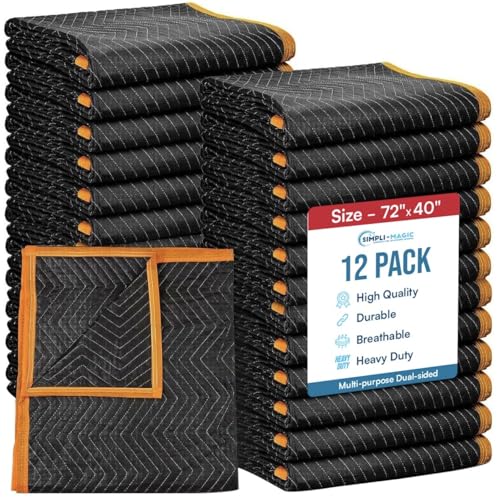
<p_Using moving straps can distribute weight evenly and minimize the risk of injury. Pair them with high-quality moving blankets to protect surfaces from scratches and dings during transit. Opt for blankets that are both thick and durable, providing adequate cushioning as you transport your belongings.
Preparing the Pathway for Safe Movement
Clear the route by removing obstacles such as shoes, bags, or other items. It’s crucial to create a wide corridor; aim for at least 3 feet of clearance to ensure safe handling of bulky items.
Secure carpets or rugs with double-sided tape to prevent slipping. Consider folding or rolling smaller rugs for added stability during the transfer.
Assess doorways, staircases, and tight corners. Use a measuring tape to confirm that items will fit through spaces without scratching walls or damage.
If necessary, disassemble pieces into manageable sections, such as removing legs from a table or taking off backs from chairs. This will simplify transportation.
Check for low-hanging light fixtures. If applicable, temporarily raise them or cover them to prevent accidents.
| Preparation Steps | Details |
|---|---|
| Remove Obstacles | Clear shoes, bags, and other items from the path. |
| Secure Rugs | Use double-sided tape or remove smaller rugs. |
| Assess Entryways | Measure doorways and corners to ensure fit. |
| Disassemble Items | Take apart larger pieces if possible. |
| Check Light Fixtures | Adjust or protect low-hanging lights to avoid impacts. |
I always ensure the pathway is well-lit. Light can help avoid trips and falls, making the process smoother.
Disassembling Furniture for Easier Handling
To simplify the transport of bulky items, I find disassembling is a game-changer. Here are the steps I follow:
- Gather Tools: I always keep a set of screwdrivers, wrenches, and pliers handy. This ensures I can tackle various types of fasteners without delay.
- Document Assembly: Before taking anything apart, I take photos or notes of how each piece fits together. This is incredibly helpful during reassembly.
- Remove Hardware: I carefully take off hinges, handles, and other removable parts. Placing them in labeled bags prevents losing small pieces.
- Take Apart Modular Components: I focus on items like shelves, legs, or cushions first. This not only lightens the weight but also makes items easier to maneuver.
- Follow Manufacturer Instructions: If available, I refer to any assembly manuals or online guides for specific disassembly methods, providing assurance that parts won’t be damaged.
- Use Proper Techniques: I ensure the use of correct techniques while loosening bolts or screws to avoid stripping threads or damaging the structure.
- Label Parts: I label each component clearly, which assists in reassembly and keeps everything organized.
- Store Safely: I keep disassembled parts in a secure area or a moving box, ensuring they won’t be lost or mixed up during transport.
Executing these steps allows for a smoother experience while transporting unwieldy items. By taking the time to disassemble, I’m able to handle and place these items with greater efficiency and safety.
Using Proper Lifting Techniques to Avoid Injury
Before lifting, I always assess my stance. I position my feet shoulder-width apart for stability and ensure my weight is balanced. I bend at the knees rather than the waist, engaging my legs for the lift. Keeping my back straight is my priority, which helps minimize strain.
Executing the Lift
When I grasp the item, I make sure to hold it close to my body. This reduces the leverage on my back, making the lift more manageable. As I rise, I use my legs to propel myself upward while keeping my core muscles engaged, which provides additional support and balance.
Setting It Down Safely
Lowering is just as critical as lifting. I approach the destination slowly, keeping the item close. I bend my knees again to lower it while maintaining a straight back, preventing unnecessary stress on my muscles and joints. Taking my time ensures both the item and myself remain safe throughout the process.
Utilizing Dollies and Rollers for Transport
Using dollies and rollers significantly reduces the effort required for transporting bulky items. I always ensure to select the right type based on the shape and size of the object being handled.
- Furniture Dolly: Ideal for heavy pieces like sofas and armchairs. I place the item securely on the dolly, ensuring it’s centered to prevent tipping.
- Utility Dolly: Perfect for stacking multiple lighter items, such as boxes or small appliances. I recommend strapping them down for extra security during transport.
- Rollers and Skates: Great for easily gliding items across floors. I position these under heavy appliances or large table legs, allowing for smooth transitions.
Before loading anything, I make sure the rolling equipment functions properly. A quick inspection guarantees the wheels are intact, reducing the risk of accidents.
To secure the load, I use moving straps or ratchet straps while transporting. This not only stabilizes the items but also makes the maneuvering process much smoother.
When navigating through tight spaces or doorways, I tilt the dolly slightly and pivot. This technique helps in maneuvering around corners without damaging walls or furniture.
Lastly, using a partner when handling particularly cumbersome items enhances safety and efficiency. While one person steers the dolly, the other can assist in guiding the load. Teamwork significantly improves the overall experience.
Getting Help: Enlisting Friends or Hiring Movers
I recommend gathering a reliable group of friends for assistance. Clear expectations and provide refreshments to create a conducive atmosphere. Designate specific tasks based on individual strengths to maximize efficiency. Remember to communicate the importance of teamwork to ensure everyone is on the same page.
If the project seems overwhelming or the items are particularly cumbersome, hiring professional movers can be beneficial. Research local moving companies with good reviews and inquire about their experience with your specific type of items. Getting multiple quotes allows comparison of services and costs, ensuring you choose a reputable provider.
Prior to the moving day, coordinate logistics with your helpers or chosen service. Confirm the schedule, arrival times, and necessary tools. For hired services, share any details about the properties, such as staircases or narrow hallways, to facilitate planning. This preparation helps streamline the process, allowing for a smoother transition.
Establish roles with your friends, such as one person in charge of communication, while others focus on lifting and navigating. This structure minimizes confusion and enhances coordination. If hiring professionals, discuss their working style and any special requests upfront to ensure alignment.
Ensuring ample manpower reduces the risk of strain or damage. Whether relying on friends or professional help, clear communication and organization are key to achieving a successful transition with minimal stress.
Protecting Furniture from Damage During the Move
Wrap pieces with moving blankets or bubble wrap to shield surfaces from scratches and dents. Secure these coverings with tape to prevent them from slipping during transport.
Use Padding in Transit
Insert padding, such as foam or cardboard, between items to avoid contact that could lead to scratches or breaks. Fill empty spaces in the transport vehicle with soft materials to minimize shifting.
Consider Professional Packing Services
If unsure about protecting delicate items, professional packing services can provide expertise in safeguarding valuable belongings. They utilize specialized materials and techniques tailored for various objects, ensuring comprehensive protection.
Strategies for Tight Spaces and Staircases
To navigate narrow areas and stairs, I rely on a few practical techniques. First, I measure doorways, hallways, and staircases to confirm that the item can pass through. If it doesn’t fit, I consider rotating the piece to find the best angle for maneuvering.
Taking apart components can be invaluable. For example, removing legs from a table or detaching the back from a couch allows me to transport each section more efficiently. I keep screws and small parts organized in a bag labeled for easy reassembly.
For staircases, tilting items at an angle often helps. If the object is bulky, I position it on its side, ensuring stability while carrying it. Always aim to have one person at the top and another at the bottom for coordinated lifting, minimizing strain on anyone involved.
I find it effective to use padding, like blankets, on steps to prevent scratching the surface while creating a smoother transition. If possible, I use a furniture strap or a cart designed for stairs, which can help distribute weight evenly, reducing physical effort.
Lastly, I try to approach these tight transitions with patience. Each attempt may require adjustment. I focus on maintaining a calm demeanor, allowing for better communication among helpers and ensuring safety throughout the process.