
 Caleb Turner
Using a dolly makes transporting oversized objects straightforward. Secure the item properly with straps, ensuring stability while maneuvering through tight corridors and doorways.
For medium-sized pieces, enlist a group of friends. Coordinating movements reduces strain and enhances control, particularly around corners. Assign clear roles to each person to simplify the process.
If your possessions are disassembled, consider compact solutions like a hatchback or a car with a spacious trunk. Packing smaller components can make the trek manageable and reduce the likelihood of damage.
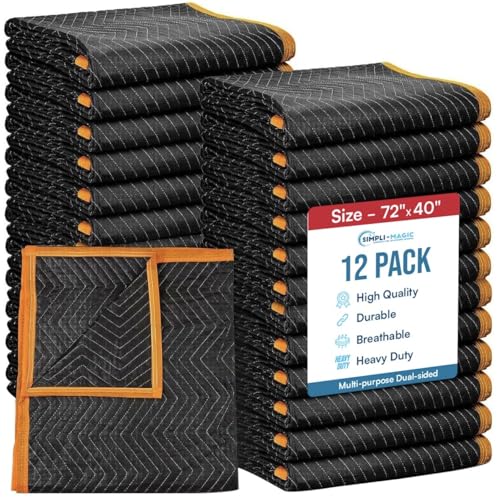
Utilizing pads and blankets provides an extra layer of protection during transport. Wrapping delicate surfaces safeguards against scratches and dents, making the switch seamless and worry-free.
Relocating Large Items Efficiently
I recommend breaking down pieces into smaller components. For example, remove legs from tables or disassemble beds. This decreases bulk and facilitates handling.


Utilize furniture sliders under heavier items. These small disks allow you to push and glide heavy objects across floors without damaging them.
Leverage hand trucks for vertical movement. Instead of lifting items, tilt them onto the hand truck and secure with straps. This helps shift the load with ease and prevents injury.
Consider using a roof rack for transport, especially for larger pieces. Strapping items securely allows you to transport them on top of a vehicle if needed.
Gather a group of friends. Coordinating efforts can help distribute weight. Establish a plan, such as lifting when counting down for synchronized movement.
Employ rugs or blankets to protect surfaces. Rolling pieces on these will shield both the items and the floor from scratches.
For smaller articles, I find backpacks or large bags useful. They allow for easy carrying of smaller pieces or accessories, minimizing multiple trips.
Finally, ensure to measure doorways and hallways beforehand. Preparing for tight spaces can save time and frustration during the relocation.
Choosing the Right Moving Method
I recommend evaluating several options to transport items successfully. Each method has its advantages depending on the distance and the amount of belongings.
-
Car: Utilize a personal vehicle if it has enough space. Remove back seats if necessary to create more room for bulky pieces.
-
Rental Van: Smaller vans are often available for short hire. This option allows for additional space without the commitment of a full-size truck.
-
Hand Trucks: These can be very useful for maneuvering heavy pieces without straining. Make sure to use proper lifting techniques to avoid injury.
-
Friends or Family: Gather a group for assistance, offering something in return, like food or drinks. Their help can make the process quicker and more manageable.
Consider using protective materials, like blankets and bubble wrap, regardless of the chosen method. This prevents damage during transportation.
Check local resources for any community groups that might offer assistance or programs for low-cost alternatives. Collaboration can save time and reduce effort.
Plan the route beforehand, especially if navigating through tight spaces or busy areas. Familiarity with entrances and staircases can make the journey smoother.
Evaluate costs associated with each option. Sometimes, investing a bit more in a rental or professional help can save future hassle.
Essential Packing Supplies for Transporting Items
To ensure a seamless relocation experience, I recommend gathering the right packing materials. Start with sturdy cardboard boxes in various sizes. These are crucial for organizing smaller items securely.
Protective Wrapping Materials
Invest in bubble wrap or foam sheets to shield delicate surfaces. These materials prevent scratches and breaks during the process. Don’t forget to acquire packing paper; it’s ideal for wrapping fragile pieces and filling empty spaces in boxes.
Moving Equipment
A hand truck can be incredibly useful for aiding in the transport of heavier items, minimizing strain. Furniture pads or blankets are also necessary; they help guard against damage and ease the lifting process. Lastly, gather strong packing tape and a pair of scissors to secure boxes and cut materials efficiently.
Disassembling Furniture for Easier Transport
Begin with identifying items that can be taken apart. Most cabinets, desks, and beds are designed for disassembly. Use a screwdriver or Allen wrench for screws and bolts, keeping them organized in labeled bags to prevent loss.
Remove shelves, drawers, and detachable parts; this reduces weight and makes handling simpler. For larger pieces, document each step with photos to ensure seamless reassembly at your final destination.
Before disassembling, check for any hidden fasteners or brackets. For example, ottomans may have hidden screws beneath the fabric. Carefully inspect each component; this will prevent any accidental damage during the process.
Wrap heavy items, like table legs, in bubble wrap or moving blankets to protect them. Use furniture sliders for larger sections to minimize strain while moving. Remember to label each part clearly, indicating its corresponding location in the final setup.
Utilize zip ties or tape to group similar pieces together. This will facilitate organization and expedite the reassembly process once everything is transported. The aim is to streamline everything for a smoother transition.
Using Personal Vehicles for Furniture Movement
For those relying on personal transports, like cars or vans, precise planning is necessary for carrying large items. Start by assessing the dimensions of your vehicle’s cargo space. Knowing the maximum length, width, and height allows for better optimization of what can fit inside.
Prioritize lighter, smaller pieces for effective placement. Consider using seatbacks and trunk space creatively. For instance, removing the back seats in a van or SUV can significantly expand your capacity. Use blankets or padding to shield against scratches during transit.
| Vehicle Type | Best Practices |
|---|---|
| SUV | Fold down seats, use cargo netting for security |
| Minivan | Utilize floor space efficiently, wrap items to prevent damage |
| Compact Car | Disassemble larger items, focus on small pieces |
| Pickup Truck | Secure items with straps, use tarps for protection from elements |
Securing items properly is crucial. Ropes or straps can keep items from shifting. If transporting multiple objects, layer them appropriately; heavier items should be at the bottom for stability. Make use of cushions or soft materials to fill gaps and prevent movement during transit.
Lastly, plan your route by considering parking availability and accessibility at both pickup and drop-off locations. Taking alternate routes that avoid narrow streets or heavy traffic can save time and reduce stress.
Smart Techniques for Lifting and Carrying
To prevent injury, I always bend at the knees and keep my back straight when lifing heavy items. This stance distributes weight more evenly and reduces strain on the spine.
Using shoulder straps or moving harnesses allows for better weight distribution across my body. I secure larger pieces this way, making it easier to navigate through tight spaces, while reducing the risk of dropping them.
For bulky items, enlisting the help of a few friends is beneficial. By coordinating movements, we can lift and carry pieces simultaneously, maintaining balance and stability.
Employing sliders or blankets under heavy objects minimizes friction with the floor. This technique lets me shift items more smoothly, especially on hardwood or tile surfaces, saving time and effort.
When tackling stairs, I position the heaviest end of the object closer to the person at the bottom. This positioning helps maintain control and balance while ascending or descending.
Additionally, walking backward while guiding a large piece can enhance visibility and maneuverability. I find that this technique reduces the likelihood of bumping into door frames and walls.
Taking breaks during the process is crucial. Staying hydrated and resting prevents fatigue, keeping my focus sharp and ensuring the safety of both myself and the objects I transport.
How to Protect Items During Transit
Wrap each piece securely to prevent scratches and dents. Use moving blankets or padded covers, ensuring every corner and edge is protected. Consider bubble wrap for delicate surfaces.
Strengthening Protection
- Prioritize high-quality packing tape to seal any loose ends of the protective materials.
- Place cardboard corners on protruding edges for added defense against knocks during transport.
- Use stretch film to keep items tightly wrapped together, reducing movement and friction.
Strategic Arrangement
Plan the layout of your vehicle carefully. Load heavier items at the bottom to maintain stability and prevent shifting. Fill gaps with smaller items or soft materials to minimize movement during transit.
Regularly check the load while on the road, adjusting as necessary to maintain balance and safety. Upon arrival, inspect items for any damage, ensuring all protective measures were effective.
Utilizing Public Transportation for Furniture Moves
I recommend checking local transit authority rules regarding transporting large items to avoid issues during your journey. Many bus and train services have specific guidelines on dimensions and weight limits for objects you can carry. Plan your trip during off-peak hours when public transport is less crowded, making it easier to navigate with sizable belongings.
Consider acquiring a pass or ticket ahead of time, especially for local subway systems, as this can save time and reduce stress upon arrival. Use soft padding or blankets to protect items while ensuring they fit securely in designated areas. If possible, bring a friend for assistance; extra hands can be invaluable for managing difficult sections like stairs or tight turns.
Local transit often allows for the transport of items on weekends or at specific times, making careful scheduling essential. Evaluate routes that require minimal transfers; this can save time and simplify loading and unloading. Always have a backup plan in case of delays or obstacles during travel.
Finally, take full advantage of designated loading areas at stations. These spots can facilitate a smoother transition between various transport methods, allowing for a more manageable experience throughout the entire process.
Enlisting Help from Friends and Family
I found that rallying friends and family for assistance can significantly lighten the workload. Create a list of tasks and areas where help is needed. This way, everyone understands their role and can contribute effectively.
When reaching out, be specific about the date and timeframe. Most people are willing to lend a hand if they know what’s expected and when. Providing snacks and drinks can also make the effort feel more like a social gathering, boosting morale during the process.
Setting Up a Help Schedule
Developing a schedule helps manage time efficiently. Assign specific slots for each task, like packing, lifting, or cleaning the area. This keeps everyone focused and minimizes downtime. Consider using tools like a shared calendar or group message to keep everyone informed.
Expressing Gratitude
After everything is completed, take the time to thank everyone involved. A small gesture, like a home-cooked meal or a heartfelt note, can go a long way in showing appreciation for their support.
Finding Local Delivery Services for Small Moves
I recommend researching local delivery options that specialize in transporting smaller items. Start by checking apps like TaskRabbit, where you can hire help for short-distance hauling. Many gig economy platforms allow individuals to offer their services using personal vehicles.
Another effective method is to seek out local courier services. Some businesses focus on same-day delivery, which can be ideal for those needing quick transport. Look for companies that have a good reputation and positive reviews to ensure reliability.
Community bulletin boards, such as those on Craigslist or Facebook Marketplace, can connect you with people offering moving assistance. Often, local residents looking to earn extra income promote their services for small loads.
Don’t overlook delivery services offered by some furniture stores. They may have partnerships with local carriers, providing quick solutions for transporting purchased items. Verify availability and rates when you inquire.
Finding trusted services may take a little effort, but leveraging these platforms not only saves time but also helps transport your items swiftly and safely. Be sure to compare quotes and availabilities before making a decision.


