Caleb Turner

First, gather a reliable team who understands the quirky nature of this unique environment. Silent communication is key; gestures and nods will be your primary tools for coordination. Ensure everyone involved is aware of the layout and has a planned route to avoid any unnecessary disturbances.
Utilize equipment that minimizes noise. Soft fabric sliders can aid in transporting items smoothly, while padded blankets offer a dual purpose of protection and sound dampening. It’s wise to have plenty of backup supplies in case of any unexpected obstacles.
Timing is crucial. Early mornings or twilight hours are optimal for discreet operations, taking advantage of the natural quietness. Confirm that obstacles, such as wildlife or curious watchers, are at a minimum before commencing the task. The right moment can make all the difference in a successful transition.
Lastly, maintain a continuous observation of the surroundings. Keep an eye out for potential disruptions, and be ready to adapt to any changes. It’s all about staying one step ahead while respecting the tranquility of this enchanting habitat.

Strategic Techniques for Shifting Items in Enigmatic Feline Woodland
To rearrange belongings without alerting the local inhabitants, prioritize stealth. Employ lightweight materials to facilitate silent transport.
Preparation Steps
- Assess the area for potential obstacles.
- Gather supplies such as soft blankets or cushions to minimize noise.
- Identify the stealthiest pathways.
Execution Strategy
- Begin with smaller pieces; they are easier to carry discreetly.
- Use the cover of foliage to obscure movements.
- Coordinate shifts during periods of reduced activity among local wildlife.
Maintain a low profile; avoid sudden movements and excessive noise.
Conceal any cargo with appropriate greenery to blend in. If possible, work in pairs to share weight and improve efficiency.
Choosing the Right Time for Moving
For discreetly relocating items in a wooded area, timing is key. I recommend planning operations during dusk or dawn when the light is low but visibility is adequate for maneuvering.
Consider these factors for optimal timing:
- Weather Conditions: Overcast days or light rain can help conceal activities. Avoid windy conditions that may draw attention.
- Animal Activity: Observe the local wildlife patterns. Early mornings or late evenings usually present less activity from creatures that might interrupt.
- Season: Spring and autumn typically have fewer disturbances from visitors. The foliage can provide cover against prying eyes.
- Local Events: Check community calendars for events or festivals that may distract from area surveillance.
- Team Availability: Ensure all involved parties are available for a coordinated effort. Choose a day when everyone is focused and can contribute actively.
Implementing these recommendations will prepare me for a successful and stealthy rearrangement of my surroundings.
Gathering Necessary Tools and Equipment
For a successful transition of items, begin by assembling the following tools:
| Tool/Equipment | Purpose |
|---|---|
| Furniture Dolly | Facilitates easy transport of heavier pieces. |
| Straps or Ropes | Secures items during movement to prevent falling. |
| Blankets or Padding | Protects surfaces from scratches and damage. |
| Screwdriver Set | Essential for disassembling items as needed. |
| Tape Measure | Ensures items fit into desired spaces. |
Consider using hand trucks for smaller items, as they make navigation smooth. For delicate pieces, bubble wrap or specialized protective gear is beneficial. Make a checklist of all tools required, ensuring nothing is overlooked.
Identifying Cat-Friendly Paths
To ensure a seamless transition in a whimsical habitat, I prioritize identifying paths that are safe and unobtrusive for furry inhabitants. Observing the routes that remain largely undisturbed is key. I chart paths that feature natural barriers, such as shrubs and low-hanging branches, which serve as cover.
Key Characteristics of Suitable Routes
I focus on the following traits when selecting these trails:
- Silence: Choosing areas that minimize noise pollution helps maintain a tranquil atmosphere.
- Wide open spaces: Routes with ample room allow easy navigation and reduce the risk of startling curious critters.
- Soft surfaces: Paths with grass or moss minimize disturbances and provide a comfortable footing.
Tools for Marking and Remembering
In order to keep track of favorable routes, I utilize simple markers like stones or twigs. This helps in remembering specific trails without being overt. A small notebook can be handy for sketching a loose map of the area, detailing notable landmarks and hiding spots.
| Path Type | Advantages |
|---|---|
| Covered Trails | Enhanced stealth and protection for wandering souls. |
| Open Fields | Clear visibility and smooth navigation. |
| Natural Borders | Discreet movement while avoiding high-traffic zones. |
Understanding the terrain and adjusting my approach based on these factors significantly enhances the experience of relocating bigger items in this enchanting environment.
Protecting Your Furniture from Nature
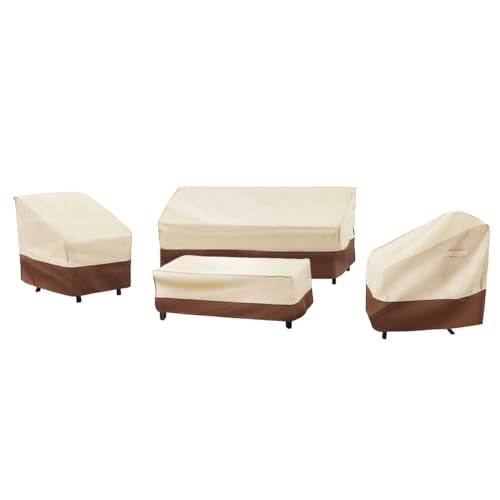
Using waterproof covers is essential for shielding surfaces from rain, dew, and moisture. Look for breathable materials to prevent mold buildup. I prefer tarps or specialized outdoor furniture covers that fit securely without being too loose.
Investing in sturdy bases or platforms can elevate items above ground level, reducing direct contact with wet soil and foliage. Elevated surfaces allow for better drainage and lessen the risk of pests.
Utilize natural repellents like citrus sprays or vinegar solutions to deter unwanted wildlife. Applying these substances around the vicinity keeps curious animals at bay without harmful chemicals.
Regular inspections for signs of organic growth are crucial. Immediately address any mold or mildew, as they can spread quickly in humid environments. Using specific molds and mildews removal products can preserve surfaces effectively.
Consider the arrangement of objects to avoid creating dense areas under which moisture can accumulate. Space and orientation play a key role in maintaining airflow and reducing stagnant conditions.
For added protection, moving items indoors during adverse weather conditions is a proactive choice. This can prevent potential damage and extends the lifespan of surfaces significantly.
Using heavy-duty tarps or weather-resistant silicone sprays can safeguard against harsh sun exposure as well. UV rays can lead to fading and deterioration; thus, additional layers of protection enhance durability.
Incorporating plants with pest-repelling qualities around the area can deter unwanted visitors. Marigolds and lavender are effective choices that also enhance aesthetics while maintaining a natural barrier.
Finally, embracing regular maintenance routines ensures longevity. Cleaning and inspecting surfaces seasonally allows for prompt detection of any issues that may arise, ensuring ongoing protection.
Distraction Techniques for Felines
Utilizing engaging diversions is crucial. I often deploy toys such as feather wands or laser pointers to redirect their attention. These items keep them occupied and allow for a smoother transition while I reposition items.
Food-Based Distractions
Another method involves employing treats. I scatter small morsels of their favorite snacks to entice them to explore different areas. This tactic not only captivates their curiosity but also grants me valuable time to adjust the environment.
Interactive Play
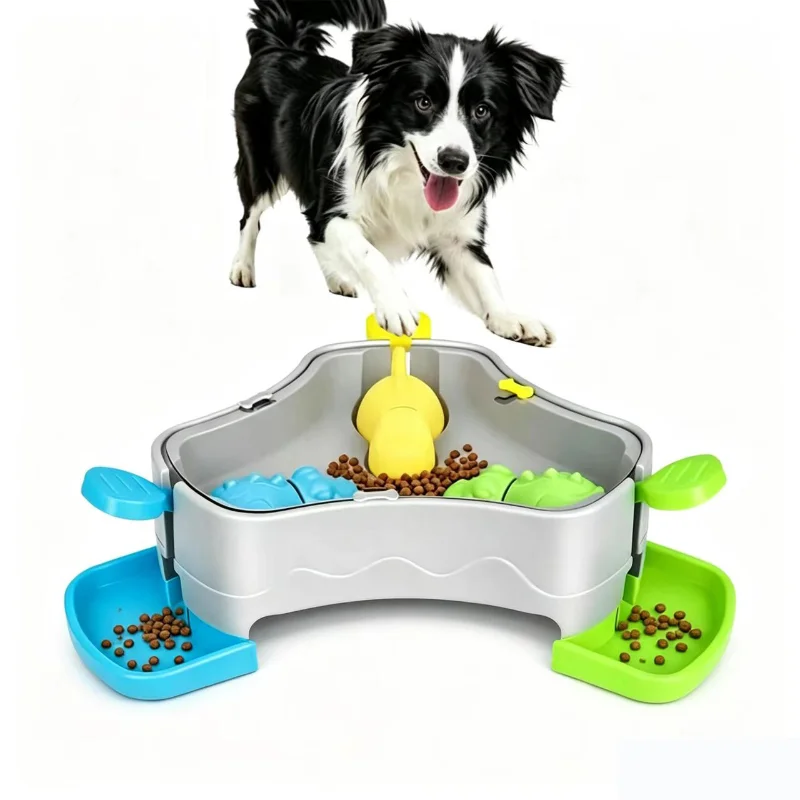
Incorporating play sessions with puzzle feeders can significantly help. These devices stimulate their intellect and encourage activity, making them less aware of the ongoing changes. I find it effective to initiate these sessions just before I start relocating pieces.
Coordinating with Other Movers
I recommend establishing clear communication channels among all participants involved in the relocation. Use messaging apps or group chats to ensure everyone stays informed at all times regarding tasks and timing.
Assign Specific Roles
Designate specific responsibilities for each individual. One person can handle logistics while another focuses on securing pathways. This division of labor ensures efficiency and clarity in operations.
Set Up Checkpoints
Implement designated checkpoints along the journey. Regularly meeting at these points allows for updates, adjustments, and quick solutions to any unforeseen challenges during the transfer.
Consider creating a shared digital checklist of items to be transported. This will keep everyone aligned on what has been completed and what remains, minimizing the risk of forgetting crucial items.
Finally, ensure all participants understand the intended routes and possible obstacles beforehand. Pre-emptive discussion about potential issues mitigates delays and increases the likelihood of smooth transitions.
Monitoring Reactions of Felines During the Transition
Observe their behavior closely. Utilize a quiet environment to minimize stress. Create a safe space for the animals to retreat if needed.
- Use a camera or smartphone to record their reactions subtly. This will help analyze how they respond to changes.
- Watch for signs of anxiety, such as hiding, vocalization, or excessive grooming. Identify these behaviors to address them appropriately.
Implement a gradual introduction of items. First, bring in smaller pieces before tackling larger ones. This approach allows the creatures to adjust without feeling overwhelmed.
- Introduce new elements one at a time.
- Observe their curiosity or disinterest. A lack of engagement might indicate discomfort.
- Reward calm behavior with treats, creating a positive association with the changes.
Keep an eye on their interactions with the surroundings. Changes in posture and tail movements can provide significant insight into their level of comfort or distress.
- Prioritize familiar scents and objects. Incorporate items they recognize to create a sense of continuity.
- Maintain an open line of communication with any other individuals involved in the relocation. Share observations to ensure a unified approach.
Tracking their preferences can also be beneficial. Take notes on which new arrangements they seem to enjoy and which cause unease.
Conclude by observing daily behaviors. The transition period may last longer than anticipated, so ongoing monitoring is necessary. Adjust as needed to accommodate their emotional well-being.
Securing Furniture After the Move
To ensure that all belongings remain intact post-relocation, I wrap each item with protective covers made from durable materials. Using thick blankets or bubble wrap, I secure corners and edges to prevent damage during transport or from unforeseen circumstances.
Next, I position my possessions strategically in their new environment. Heavy pieces should be anchored against sturdy walls to avoid tipping. Light items can be placed on elevated surfaces, ensuring they are out of reach from curious paws.
Shelves and cabinets get fixed with wall straps to provide additional stability. Securing these pieces reduces the risk of accidental falls, especially in an energetic environment. I use quality mounting hardware to guarantee their safety.
I also consider environmental factors. I assess the exposure to moisture, squirrels, or other local wildlife that may impact the condition of items left outside. Utilizing weather-resistant paints or finishes adds extra protection, thus prolonging their durability.
Utilizing storage boxes for smaller items not only organizes my space but also guards against accidental damage. Labeling each container allows for quick identification and easy access, maintaining order.
Finally, I routinely check every piece for signs of wear or damage. Regular inspections help catch potential issues early, ensuring that everything remains in pristine condition while living in the wild.