
 Caleb Turner
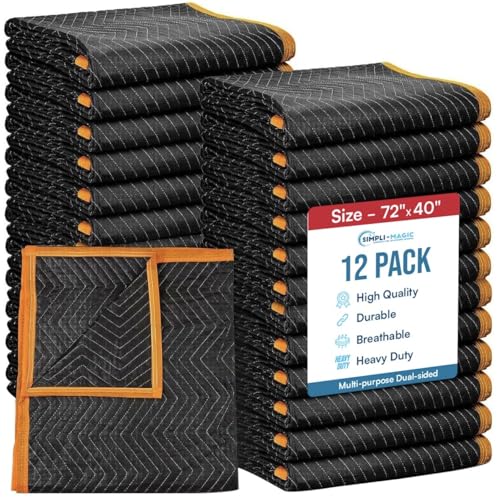
Ensure you gather all necessary supplies before beginning the task. Secure a set of moving blankets, tie-down straps, and a dolly. These tools will help prevent damage and facilitate the process.
Begin by loading larger pieces first. Position heavier items towards the front of the cargo area for better weight distribution. This practice enhances stability while driving.
Organize smaller pieces around the larger ones, utilizing every inch of space efficiently. Make certain to wrap delicate objects in blankets to avoid scratching or breaking during transit.
Once everything is loaded, double-check that all items are secured with straps. Avoid any shifting during transport by using a combination of tie-downs and appropriate securing techniques.
Finally, drive attentively and avoid sudden movements. Making gradual turns and gentle stops will prevent any shifting of your precious cargo.


Tips for Transporting Large Items in a Compact Vehicle
Secure every piece with strong straps or bungee cords. I always cross them over, creating an X-shape for stability. It prevents shifting during transit.
Disassemble larger pieces like bed frames and tables. This simplifies loading and optimizes space. I keep screws and small parts in a labeled bag to avoid losing them.
Protective Measures
Wrap each item in moving blankets or bubble wrap. This protects against scratches and damage. If you don’t have blankets, old sheets or towels will work in a pinch.
Loading Strategy
Start with the heaviest items at the bottom. Balance the weight evenly across the vehicle. I also position heavier items towards the front to maintain stability during driving.
Choosing the Right Vehicle Size
Selecting an appropriate vehicle size is paramount for the task ahead. A compact option might seem sufficient for minimal items, but it’s crucial to account for the dimensions of each piece. I always measure the larger items first–like sofas or beds–and compare them with the cargo bed’s dimensions.
For larger loads, I opt for full-size models, as they typically offer more width and length in the bed. This extra space provides greater flexibility when arranging heavier or bulkier pieces. I often consider a vehicle with a towing capacity, which can be beneficial if I need to haul any additional accessories or trailers.
When considering height, a standard vehicle might suffice for most situations, but if I plan to transport large appliances, I check for models with a higher clearance. This detail is vital if I’m dealing with items that include oversized cabinets or bookcases.
Additionally, I always factor in weight limitations. Exceeding the maximum payload can lead to safety hazards and damage to the gear. I recommend reviewing the manufacturer’s specifications for guidance on weight capacities before making a selection.
Moreover, I look for features that aid in loading and unloading, such as a drop-down tailgate or built-in tie-down points, which can make securing items significantly easier. Overall, the right choice hinges on balancing the size with the specific needs of the cargo–ensuring everything fits snugly and securely.
Preparing Furniture for Transport
Before loading, I ensure all items are clean and dry to prevent damage. I follow these steps to get everything ready:
- Disassemble large pieces: I take apart tables, beds, and other sizable items to make handling easier. It minimizes the risk of breakage and optimizes space.
- Wrap fragile items: Using bubble wrap or moving blankets, I carefully cover glass surfaces, corners, and delicate elements. This helps absorb shocks during transit.
- Use furniture straps: To secure any lightweight objects, I employ durable straps to prevent sliding or tipping inside the cargo area.
- Protect floor surfaces: I lay down moving mats or blankets underneath items to avoid scratches or scuffs on the vehicle’s interior.
- Label boxes: For smaller items, clear labeling helps in easy identification later. It saves time during the unpacking process.
Following these steps ensures everything reaches the destination intact, making the unloading process smoother.
Loading Techniques for Stability
Begin by organizing larger pieces first. Place heavier items on the bottom layer, ensuring a flat and stable base. This prevents lighter pieces from shifting during transit.
Use tie-down straps to secure all items, keeping them tightly against the walls. This reduces movement and potential damage. Anchor the straps to designated points on the truck bed.
Consider the weight distribution. Maintain an even load on both sides to avoid swaying. Position bulkier items toward the center, which aids in balance.
Employ foam padding or blankets between items to prevent scratches and shifts. Secure delicate pieces upright to avoid tipping or breakage.
When it comes to height, do not exceed the truck’s safety limits. Excess height increases the risk of toppling over or miscalculating turns.
Regularly check during transport to ensure stability. If something seems off, make necessary adjustments before proceeding further.
Securing Items for the Journey
Invest in quality ratchet straps, as they provide superior grip compared to standard rope. I recommend using at least four straps, securing each end of larger pieces to prevent any movement during transit. Ensure the straps are tight, but avoid over-compressing to prevent damage.
Padding and Protection
Wrap each item in moving blankets or bubble wrap to safeguard against scratches and dents. For delicate pieces, opt for corner protectors to absorb shocks. Secure the padding with tape to keep everything intact while traveling.
Strategic Arrangement
Place heavier items on the bottom and lighter ones on top to ensure stability. Fill any gaps with smaller boxes or cushioning materials, as this helps maintain balance and prevents shifting. Make sure that nothing obstructs the driver’s view and that every piece is accessible for unloading.
Unloading Strategies to Prevent Damage
Begin unloading heavier items first while ensuring a clear path for movement. This minimizes the risk of bumping into obstacles or damaging surroundings.
Safe Removal Techniques
- Position the vehicle on stable ground to avoid slippage during the unloading process.
- Utilize a dolly for larger pieces. This offers better maneuverability and reduces strain.
- Have a spotter assist in guiding pieces through doorways and around corners to prevent collisions.
Layered Approach
- Start with items that are stacked on top. Remove items in reverse order of loading to maintain balance.
- For delicate possessions, handle them individually to mitigate potential harm from stacking or collisions.
- Keep a protective layer, such as blankets or packing tape, on corners of heavy items during removal, ensuring corners don’t scrape against walls or the vehicle itself.
Organize items into specific piles outside the transport vehicle for efficient unloading. This strategy not only saves time, but also reduces the risk of scratches or dents when repositioning.
Utilizing Accessories for a Smooth Move
Using the right accessories can significantly enhance the transport experience of larger belongings. Straps and ratchet tie-downs are essential for securing items in place during transit. I recommend heavy-duty ratchet straps for their reliability and strength. Aim for straps with a minimum break strength of 1,500 pounds to ensure they can handle significant weight.
Protection and Padding
Blankets and padding are crucial for the prevention of scratches and dents. I suggest using moving blankets or quilted pads to wrap delicate items, ensuring they remain unscathed. Additionally, furniture sliders are beneficial for moving heavy pieces without damaging floors or surfaces, providing a smooth glide across various terrain.
Moving Carts and Dollies
Investing in a moving dolly greatly simplifies the process of transporting bulky items. A two-wheeled dolly works well for rectangular shapes, while a furniture dolly with four wheels provides stability for larger items, facilitating easier maneuverability. For awkwardly shaped objects, a stair climber dolly can be invaluable if there are stairs involved.
| Accessory | Function |
|---|---|
| Ratchet Straps | Securing items in transit |
| Moving Blankets | Protection against scratches |
| Furniture Sliders | Easy movement on floors |
| Two-Wheeled Dolly | Transporting rectangular items |
| Furniture Dolly | Stability for large pieces |
| Stair Climber Dolly | Navigating stairs easily |
Using these accessories can transform potential challenges into manageable tasks. Proper equipment not only protects your belongings but also minimizes physical strain, creating a safer and more productive environment for the transition.


