
 Caleb Turner

To create a harmonious atmosphere, select a dominant hue that resonates with your personal style, then choose two to three complementary tones. For instance, pairing a deep navy with warm beige and a touch of soft gray can establish a sophisticated yet inviting space.
Consider the influence of textures and materials. Wooden elements harmonize beautifully with soft fabrics and metals. A rustic oak table can contrast elegantly with sleek steel accents, enhancing the visual interest without overwhelming the senses.
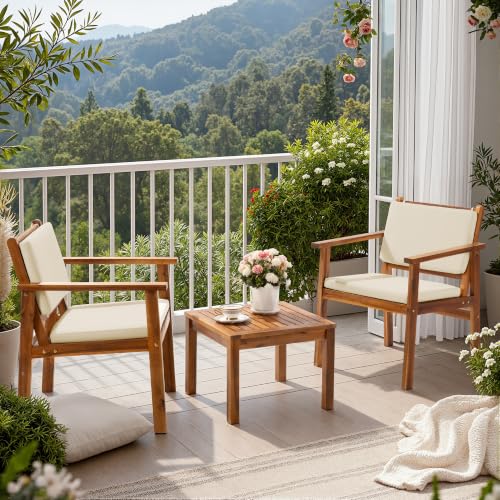


Incorporate patterns mindfully. A striped or floral upholstery can serve as a focal point against solid pieces. Just ensure that the colors within the patterns align with your chosen palette, creating a cohesive look across the room.
Paying attention to lighting is crucial. Natural light can shift appearances throughout the day, making certain shades appear different. Testing swatches in various lighting conditions can help you anticipate how your selections will feel in the space.
When curating your arrangements, balance is key. Distribute your chosen shades evenly throughout the area to prevent any one color from dominating. This strategy not only brings unity but also adds depth and dimension to your decor.
Strategies for Combining Wooden and Fabric Pieces
Choose a dominant shade in the space to anchor the arrangement. This hue should appear in at least one significant item, like a sofa or a dining table, ensuring it serves as a visual reference point.
Incorporate neutral tones, such as beige or gray, to create a balanced backdrop. These shades can seamlessly integrate various shades without overwhelming the space.
Utilize a color wheel to identify complementary or analogous shades. For instance, pairing a rich emerald green with a deep navy can lead to a sophisticated look.
- Assess your base item’s undertones–warm or cool–to guide your choices for other pieces.
- Introduce pops of unexpected hues using accessories like cushions or throws for added interest.
- Experiment with textures; mixing materials like velvet, wood, and metal can create depth.
Layer different shades of the same color family. For example, light and dark blues can create a cohesive yet dynamic arrangement.
- Start with large elements; ensure they harmonize with smaller accents.
- Gradually integrate varied shades based on observation of the room’s light and ambiance.
Consider the scale of items to prevent overwhelming the space. Larger pieces in clashing tones can draw attention where it isn’t desired.
Remember to keep lighting in mind–it can dramatically change how hues are perceived. A warm light bulb will enrich warmer colors, while cooler bulbs will enhance colder shades.
Maintain a sense of proportion; aim for a balance that feels intentional rather than chaotic. This can often be achieved by repeating a common element across different items, whether it’s a shade or a texture.
Understanding Color Theory for Furniture
Incorporating color theory into your living spaces can elevate the aesthetic appeal significantly. Begin with the color wheel; primary shades–red, blue, yellow–serve as the foundation. Secondary tints, like green, orange, and purple, emerge from mixing these primaries.
Color Schemes
Utilize these combinations to define your environment:
| Scheme Type | Description | Example |
|---|---|---|
| Analogous | Three adjacent shades on the wheel. | Blue, Blue-Green, Green |
| Complementary | Opposing hues that enhance each other. | Red and Green |
| Triadic | Equally spaced shades forming a triangle. | Red, Yellow, Blue |
Warm vs. Cool Tones
Understand the temperature of shades. Warm tones (reds, yellows) impart energy and coziness, while cool tones (blues, greens) promote calmness and relaxation. Balance is key; pairing warm and cool can create dynamic, inviting spaces.
Incorporating neutrals–grays, whites, and beige–acts as a grounding element. They allow bolder accents to shine without overwhelming the eye. Remember to consider the lighting and surrounding decor, as these factors will influence the perception of shades.
Selecting a Base Color for Your Room
Choosing a foundational hue for your space is critical. I recommend starting with a neutral tone, such as beige, gray, or off-white. These shades provide a versatile backdrop that harmonizes with various accents.
Next, consider the level of natural light in the room. Darker tones can work well in well-lit areas while lighter shades enhance smaller, dimly lit spaces. Test samples on the walls to see how they interact with different lighting throughout the day.
Once you’ve settled on a neutral base, think about your preferences and the desired atmosphere. If you want a calming vibe, opt for softer shades like light blue or pale green, while bolder choices such as navy or charcoal can add drama and sophistication.
Incorporate textures to add depth. A matte finish creates a cozy feel, while glossy surfaces can appear more modern. Balance these with various materials–wood, metal, or fabric–to create visual interest.
Remember to account for existing elements in your room, like flooring or architectural details. These should complement or contrast the base shade harmoniously to establish a cohesive look.
Choosing Complementary Shades for Furniture Pieces
I often rely on the color wheel to find harmonious pairings. Opposite hues, or complementary shades, enhance each other while creating a striking visual contrast. For example, pairing a warm brown with a soft teal or a muted cream with a deep navy can provide an inviting yet dynamic atmosphere.
Neutral Tones as a Base
<p Utilizing neutral shades, like beige or gray, allows for bold accents without overwhelming the space. Adding a vibrant accent chair or a striking coffee table can breathe life into a neutral setting. This approach allows for versatility, enabling me to change out decorative pieces easily without a complete overhaul.
Consider Texture and Material
Mixing various materials can also play a significant role in achieving balance. A sleek metal frame paired with a soft upholstered sofa offers a contrast in texture while remaining visually appealing. Combining matte finishes with glossy elements can produce an intriguing dynamic, making each piece stand out while working cohesively as one ensemble.
Creating a Cohesive Look with Accent Colors
Choose one or two accent shades to enliven your space without overwhelming it. Incorporate these tones through accessories like cushions, throws, or artwork. For instance, if your primary tint is neutral, a bright accent can inject personality into the room.
Consider the room’s ambiance; soft pastels can evoke calmness, while bold hues might create energy. When selecting accents, ensure they complement the dominant hue by following color harmony principles–analogous or triadic color schemes often work well.
In a modern setting, I often opt for metallic or matte finishes to add dimension. Accessories in these finishes enhance depth while keeping the overall aesthetic refined. For example, a shiny gold vase can contrast beautifully against a matte navy backdrop.
Textural variety can also play a significant role in achieving coherence. Incorporating different materials–like wood, metal, or fabric–in accent pieces can unify the palette while providing tactile interest. For instance, pairing a plush velvet cushion with a sleek ceramic lamp creates a balanced look.
Lastly, be mindful of scale and proportion. Larger accent items can serve as focal points, while smaller pieces should coordinate with the overall arrangement. This keeps the visual flow natural and engaging.
Balancing Patterns and Textures in Furnishings
Begin with a neutral base to ground your space. This approach allows patterns and textures to stand out without overwhelming the room. For instance, a beige or light gray sofa creates an ideal backdrop for bolder patterns in accent chairs or throw pillows.
Layering Techniques
Incorporate varying textures for depth. A velvet ottoman paired with a patterned cotton rug introduces contrast. To maintain harmony, choose patterns that share a color palette, ensuring they complement rather than clash. Mixing stripes with florals can work when they both include a similar hue.
Scale Matters
Be mindful of scale in patterns. Large-scale prints work best in airy, spacious rooms, while smaller prints are suited for cozy spaces. I often place larger patterned pieces as focal points, complemented by smaller accents that repeat the colors without competing for attention.
Avoiding Common Mistakes in Color Combinations
Identifying an undertone is crucial; warm hues clash with cool shades, creating an unbalanced aesthetic. Review all elements in the space to ensure coherence.
Steer clear of pairing overly bold tones together. Instead, use a strong primary as an anchor, softening it with muted or pastel accents. This approach generates visual interest without overwhelming the senses.
Despite personal preferences, maintain a consistent theme aligned with your style. For instance, rustic sensibilities can be disrupted by sleek contemporary elements. Aim for harmony that reflects your vision.
- Prioritize scale; oversized pieces with delicate accents can lead to disproportion.
- Avoid excessive patterns; too many can cause confusion.
- Test shades in natural light; what looks appealing indoors may not hold the same charm in daylight.
Limit your palette to five main shades to prevent a chaotic appearance. This will enhance the overall flow and enhance appeal.
Lastly, consider the longevity of choices. Trends can be fleeting, so select hues and styles that resonate with your tastes for the long haul.
FAQ:
How can I choose complementary colors for my furniture?
To choose complementary colors for your furniture, begin by identifying a dominant color in your space, such as the walls or a large piece like a sofa. From there, you can select colors that sit opposite on the color wheel. For instance, if your dominant color is blue, consider adding orange accents through pillows or artwork. Additionally, balancing warm and cool tones can help create a harmonious look. Sample swatches against your existing colors to see how they look together in different lighting.
What are some tips for mixing different types of wood furniture finishes?
When mixing various wood furniture finishes, aim for a unifying element to tie the pieces together. This can be achieved by selecting woods that share similar undertones, such as warm or cool hues. You might mix lighter woods like birch with deeper woods like walnut if both have similar tones. To create cohesion, consider incorporating textiles or decorative elements that feature both wood tones, like a rug or throw pillows. Additionally, limit the number of different finishes to avoid a chaotic look.
Should I stick to a specific color palette when mixing furniture, or is it better to be adventurous?
Sticking to a specific color palette can provide a sense of cohesion and balance in your space. However, being adventurous can also lead to a unique and personalized look. If you prefer an adventurous approach, select one or two base colors, and then choose a few accent colors that complement them. A useful method is to follow the 60-30-10 rule: 60% of the room in a dominant color, 30% in a secondary color, and 10% in an accent color. This structure allows for creativity while maintaining harmony.
How do I incorporate bold colors into my furniture choices without overwhelming the space?
Incorporating bold colors into your furniture choices can be done tactfully to avoid overwhelming your space. Start by choosing one or two bold pieces, such as a brightly colored chair or an accent table, and place them against neutral or soft-toned backgrounds. Consider adding smaller accessories in matching bold colors throughout the room to create balance. Additionally, using textiles, such as throws or pillows, can introduce color without dominating the space. Keeping larger furniture pieces in neutral colors allows the bold items to stand out without clashing.
What is the role of lighting in how furniture colors are perceived?
Lighting plays a significant role in how furniture colors are perceived in a space. Natural light can enhance the vibrancy of colors, while artificial light can alter their appearance. Warm light bulbs can bring out the richness in wooden finishes or earth tones, while cool light can make colors appear sharper. To see how your furniture colors look in the planned lighting, test swatches or small samples in different types of light throughout the day. This will help you understand the interaction between your furniture colors and the lighting, ensuring a well-coordinated look.
What are some tips for choosing complementary colors when mixing furniture?
When selecting complementary colors for your furniture, consider the color wheel as a guide. A classic approach is to choose colors that are opposite each other, such as blue and orange or red and green. To create a balanced look, you can also use a monochromatic scheme by varying shades of the same color. Additionally, consider the overall mood you want to create; warm colors tend to evoke energy while cool colors offer a more calming effect. Finally, don’t forget about textures and materials, as they can also play a significant role in how colors interact with each other.
How can I ensure that my mixed furniture colors don’t clash?
To avoid clashing colors in your furniture, start by establishing a color palette. This can include one dominant color, one or two secondary colors, and accents. Use different tones and shades of these colors to add interest without overwhelming the space. It’s also helpful to maintain a consistent style throughout your furniture selection, whether it be modern, rustic, or eclectic. Samples can be very useful here; testing various fabrics and colors in the actual space can show how they work together under different lighting conditions. Finally, moderation is key—mixing too many bold colors can create visual chaos.


