Caleb Turner
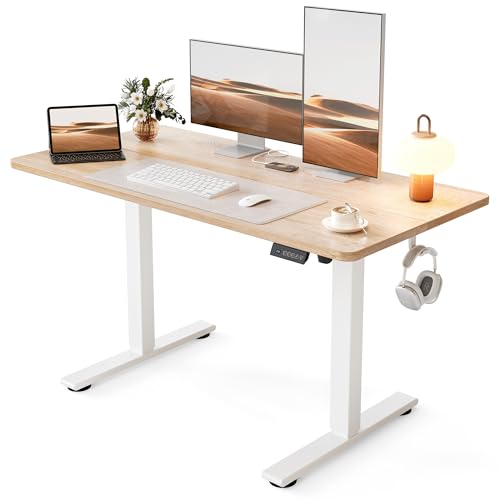
To achieve a seamless integration of workspace essentials into your current aesthetic, start by examining the predominant color palette of your environment. This will guide your selection of tones and shades, ensuring that any new additions harmonize rather than clash.
Consider the textures already present in your surroundings. Mixing materials like wood, metal, and fabric can create a balanced look, but they must be selected thoughtfully to avoid a disjointed appearance. For instance, if your space features a lot of polished surfaces, opt for softer materials to bring warmth and comfort.
Pay close attention to the lines and shapes within your existing furnishings. If your setting leans towards modern minimalism with clean lines, introducing bulky items may disrupt that aesthetic. Find pieces that echo those geometric elements for a cohesive and intentional feel.
Lastly, think about incorporating personal touches that resonate with your style. Accessories that reflect your personality will enrich your workspace while strengthening the connection to your overall design narrative. Each addition should feel purposeful, enhancing both functionality and visual appeal.
Selecting Pieces to Complement Your Spaces
Opt for items that share common traits, such as tone or material. If your walls are painted in earthy shades, consider wooden accents or natural fabrics for your new additions. Metallic elements work well when paired with modern aesthetics, while plush textures enhance cozy environments.



Incorporating Color Palettes
Identify the primary colors in your surroundings. Use a color wheel to find complementary shades or select pieces that echo these hues. For instance, if blue dominates the area, introducing soft gray or white can create balance without overwhelming the senses. Small pops of the same color in accessories like stationery can tie everything together.
Balancing Styles
Blend styles thoughtfully to maintain visual harmony. If your surroundings feature a contemporary look, incorporate sleek, minimalist designs. Alternatively, vintage-inspired items can add character to a modern setup. Mixing textures–like leather and soft wool–can also introduce depth while ensuring a cohesive appearance.
Assessing Your Current Decor Style
I recommend beginning your analysis by identifying the primary colors present in your space. Observe the shades of walls, furniture, and decor items. Create a color palette that includes the dominant hues, as well as complementary shades that can guide future selections.
Next, evaluate the materials used throughout the area. Take note of textures such as wood, metal, fabric, or glass. Understanding these elements will help determine which materials resonate with your style, ensuring any new additions feel cohesive.
Consider the overall aesthetic – is it contemporary, rustic, minimalist, or eclectic? Recognizing the style not only aids in selection but also enriches the atmosphere by fostering a unified look. You might find it helpful to create a mood board to visualize these elements together.
Additionally, examine patterns and shapes around you. Are they geometric, organic, or asymmetrical? This analysis will guide the selection of items that incorporate similar designs, maintaining visual harmony in the environment.
Lastly, assess functional needs versus stylistic desires. Make a list of the primary functions your new acquisitions need to fulfill. Balancing practicality with design ensures that any new elements enhance both utility and aesthetics.
| Element | Questions to Consider |
|---|---|
| Colors | What are the dominant hues? How do they interact? |
| Materials | What textures are present? Which materials are my favorites? |
| Aesthetic | What is the prevailing style? How can I enhance it? |
| Patterns | What shapes and designs are noticeable? How can they guide my choices? |
| Functionality | What tasks must the new items accomplish? How can style also serve my needs? |
Choosing Color Palettes that Complement
Focus on selecting hues that echo the existing tones in your room. Observe primary and accent colors, and aim to integrate shades that reflect or enhance them. For instance, if your surroundings feature warm woods and earth tones, consider furniture in beige, terracotta, or muted greens.
Utilizing Color Wheel Principles
Utilizing complementary colors can evoke a striking visual balance. For example, if your space showcases a blue theme, introducing orange or coral can provide a refreshing contrast. Alternatively, analagous colors, such as various shades of blue and green, can create a tranquil ambiance.
Incorporating Neutrals
Incorporate neutral tones to ground the design, allowing more vibrant colors to stand out without overwhelming the space. Shades of gray, white, or taupe can harmonize with bolder colors, serving both as a base and a foil, enhancing the overall aesthetic.
Selecting Furniture Materials and Textures
I prioritize durability and practicality when choosing materials for workspace pieces. For instance, hardwoods like oak or walnut offer longevity and a sophisticated feel. Steel frames provide a modern aesthetic while ensuring stability. Consider materials like tempered glass for desktops, which add elegance and are easy to clean.
Textures play a significant role in creating a harmonious atmosphere. Incorporating textiles, such as linen or faux leather, can soften the look of more rigid elements. A plush fabric chair can add comfort alongside a sleek wooden desk, balancing hard and soft surfaces seamlessly.
Natural fibers, like jute or cotton, infuse warmth and bring an organic feel. Use rugs or cushions made from these materials to enhance the overall environment. Metallic accents, such as brushed nickel or matte black, can add a contemporary edge to the room, complementing various styles.
Avoid clashing by maintaining a consistent direction in materials. If I choose wooden elements, I ensure they are of similar grain or finish to unify the space visually. Mixing finishes can work but requires careful thought; for example, pairing matte-finished tables with glossy accessories can create an interesting contrast while maintaining a cohesive theme.
Lastly, sustainability matters; opting for eco-friendly options not only showcases style but also reflects a commitment to environmental responsibility. Reclaimed wood or recycled materials often provide unique character, making the space feel personalized and thoughtful.
Understanding Scale and Proportion in Space
Begin by evaluating the dimensions of the area where new pieces will be placed. Measure both the available space and the scale of current items. For instance, in a compact room, oversized seating can make the atmosphere feel cramped. Instead, opt for sleek or modular designs that blend seamlessly into the environment.
Consider the height of your ceilings. In rooms with higher ceilings, select items that draw the eye upward, such as tall bookcases or decorative shelving. This can create a sense of verticality that enhances spaciousness. Conversely, in lower ceiling areas, keep items closer to the ground to avoid overwhelming the space.
Proportions matter too. Select elements that are visually balanced. If large existing pieces dominate the room, consider smaller or medium-sized additions that won’t clash with their scale. A mix of sizes can create visual interest, but striking a comfortable balance is key.
Furniture arrangement is another vital point. Position larger items in a way that they don’t obstruct flow and accessibility. Group smaller pieces together to create cozy spots while ensuring they don’t appear cluttered. A well-thought-out layout can significantly enhance functionality and comfort.
Incorporating multi-functional items can be an excellent way to manage space effectively. Look for options that serve dual purposes, like ottomans that provide storage or desks with shelving. These can add value without overwhelming the area.
Lastly, always step back and assess. After positioning new elements, take a moment to observe how everything interacts. A cohesive look stems from careful attention to scale and proportion within the context of your layout.
Incorporating Ergonomics into Style Choices
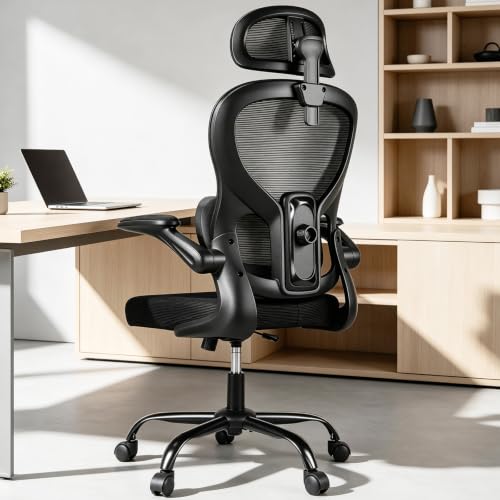
For a seamless integration of comfort and aesthetics, prioritize adjustable seating options that offer both support and style. Opt for chairs with lumbar support that align with your design theme, be it modern minimalism or classic elegance.
Consider standing desks that blend functionality and visual appeal. Choose finishes that complement your color scheme, ensuring that they elevate the overall atmosphere without compromising ergonomics.
Accent accessories like supportive footrests and keyboard trays can enhance usability while maintaining a cohesive look. Select materials that resonate with your space’s texture, such as wood or metal, to create a unified environment.
Evaluate height variations in your workspace. Pieces that accommodate different user heights not only add practicality but also offer a dynamic visual component. This approach ensures that comfort exists alongside a sophisticated design.
- Select colors that evoke calmness, such as soft blues and greens, which can enhance focus when paired with ergonomic solutions.
- Integrate textile elements that promote comfort, like cushions or wraps, maintaining harmony with your décor style.
- Explore unique shapes that encourage movement, breaking away from rigid lines commonly found in traditional settings.
Ultimately, the goal is to create a harmonious environment where functionality meets visual appeal, promoting not just productivity but also well-being.
Mixing Different Furniture Styles Harmoniously
To create a cohesive look, blending various styles requires attention to detail. Begin by identifying a unifying theme or element present in all pieces, such as color, material, or shape. This common thread will anchor the overall aesthetic.
- Layer Textures: Combining smooth surfaces with rougher textures adds depth. For example, pair a sleek modern desk with a rustic wooden chair.
- Balance Proportions: Ensure that the size of each item complements others. A large contemporary piece should be balanced with smaller, delicate elements.
- Consider Functionality: Different styles can meet diverse needs. Integrate functional items like an industrial shelving unit alongside traditional storage cabinets.
Examples of Successful Style Combinations
- Mid-Century Modern and Scandinavian: The clean lines and natural materials of both styles work well together, creating a timeless, fresh vibe.
- Industrial and Vintage: Pairing aged metals with vintage woods can yield a charming, eclectic atmosphere.
- Contemporary and Traditional: Sleek, modern tables can contrast beautifully against classic upholstered chairs, offering a touch of elegance.
Maintain an open mind about how different aesthetics can coexist. Incorporating personal touches, like artwork or decor pieces that resonate, adds character and ensures the space feels uniquely yours.
Utilizing Space with Modular Office Furniture
To optimize your work area, consider a modular approach that allows for flexibility. Choose pieces that can be rearranged easily, such as desks and shelving systems designed to work together. This adaptability lets me transform my workspace in response to various tasks or collaboration needs.
Maximizing Functionality
Incorporate components that serve dual purposes, such as a bench that doubles as storage. Selecting items that can be stacked or nested saves precious square footage while maintaining an organized look. I often rely on mobile carts for additional surfaces and quick movement throughout the area.
Creating Zones
Divide the space into specific areas to enhance productivity. I find that using modular screens or dividers not only provides privacy but also visually defines each zone. This segmentation helps focus efforts for tasks that require deep concentration versus collaborative discussions.
Integrating Accessories for a Cohesive Look
Incorporate decorative elements that resonate with your chosen color scheme to unify the environment. For instance, if your workspace features a neutral palette, opt for vibrant accessories such as cushions or artwork that infuse energy without overwhelming the senses.
Select functional items that add character. A stylish desk organizer or a unique lamp can enhance the ambiance while maintaining utility. Prioritize accessories with shapes and textures that mirror the predominant materials in the room, ensuring a seamless flow.
Layering different textures can create depth. Mix smooth surfaces with soft fabrics or rugged materials to add richness. Throw blankets, plants, or decorative trays can bridge the gap between varied elements harmoniously.
Utilize artwork strategically to express personality. Choose pieces that enhance the thematic concept without clashing. Consider themes that align with your workspace’s purpose, whether they be abstract, motivational, or nature-inspired.
Finally, balance is key. Ensure your accessories are proportionate to the size of the space and existing elements. Bulky items might overpower a compact area, while delicate pieces can get lost in a larger room. Curate thoughtfully to achieve equilibrium.
Planning for Future Decor Changes and Flexibility
Prioritize adaptable options that allow for seamless adjustments as styles mature. When selecting pieces, consider modular designs that can be rearranged or expanded with ease. This not only accommodates evolving tastes but also ensures longevity in your choice of items.
Focus on neutral color schemes for larger items, enabling you to introduce seasonal or trendier accents without significant investment. Accessories like cushions, throws, or artwork can be swapped out to refresh the environment while maintaining a cohesive aesthetic.
Research multi-functional pieces that serve dual purposes; for instance, a desk that doubles as storage or seating that provides hidden compartments. This versatility maximizes space and prepares for any shifts in layout or function.
Don’t overlook the importance of textures. Materials such as wood, metal, and fabric can be mixed and matched, providing the flexibility to update looks while maintaining a strong foundation. Seasonal elements can be introduced through accessories or minor updates, ensuring a fresh appearance every time.
All these factors contribute to a well-thought-out plan that keeps spaces current and visually appealing without the need for a complete overhaul. Evaluate your intentions for future updates regularly, allowing for adjustments that suit both practical needs and personal taste.
FAQ:
What are the key factors to consider when matching office furniture with existing decor?
When matching office furniture to existing decor, consider color, style, and materials. Ensure that the colors of the furniture complement the walls and other elements in the space. Try to maintain a consistent style, whether it’s modern, traditional, or eclectic. Additionally, the materials of the furniture should align with the overall aesthetic of the room; for example, metal furniture suits industrial decor, while wooden pieces fit better in rustic settings.
How can I choose an office desk that fits my decor?
Selecting an office desk involves assessing the size, color, and style. Measure the space to ensure the desk fits well without overcrowding the room. Choose a color that harmonizes with your existing decor; neutral tones can offer versatility, while bold colors can create a focal point. Match the desk style to other furniture – for instance, if you have contemporary pieces, a sleek, minimalist desk would work best. Don’t overlook functionality; the desk should not only look good but also be practical for daily use.
What types of office furniture can accentuate a home’s interior design?
To accentuate a home’s interior design, consider choosing office furniture that complements your decor theme. For a modern interior, opt for sleek, minimalist pieces in glass or metal. For a cozy, traditional home, wooden desks and leather chairs can add warmth. Additionally, design elements like patterned office chairs or decorative storage solutions can serve as stylish accents while keeping the workspace functional. Mixing elements, such as pairing rustic furniture with modern art, can also create an interesting visual contrast.
Are there any specific color schemes to consider for office furniture?
Color schemes depend on the mood or theme you wish to achieve. Neutral colors such as whites, grays, and beiges can create a calming atmosphere while allowing other decor elements to shine. Bright, bold colors can energize the workspace but should be balanced with softer hues to avoid overwhelming the senses. If your existing decor features a specific color palette, choose furniture in either complementary or analogous colors to ensure cohesion within the space.
How can I incorporate ergonomic furniture into my existing decor?
Integrating ergonomic furniture into your existing decor can be done by selecting pieces that offer both comfort and style. Look for ergonomic chairs that come in stylish designs or colors that match your decor. Adjustable desks can be chosen in finishes that blend with your other furniture. Accessories like footrests or monitor stands can also be found in various styles to match your aesthetic. Prioritize comfort without compromising on the overall look; this way, you ensure a practical yet visually appealing workspace.
How do I choose office furniture that complements my existing decor?
To select office furniture that fits well with your current decor, first, assess the overall style of your space. Identify key elements such as color schemes, textures, and design styles. For example, if your decor is modern with sleek lines, opt for contemporary furniture. Consider both the color and finish of the furniture to ensure it harmonizes with existing pieces. Additionally, think about the scale and proportion of the furniture to maintain a cohesive look. Samples and fabric swatches can be helpful in making sure that everything matches well.
What are some tips for mixing different furniture styles in an office environment?
Mixing different furniture styles in an office can create a unique and inviting atmosphere, but it requires careful planning. Start by choosing a dominant style to serve as a foundation, such as modern, traditional, or industrial. From there, you can introduce pieces from other styles that share similar colors or materials. For instance, if you have a modern desk, you might pair it with vintage chairs that have a similar metal finish. Accessories, such as artwork and plants, can also help bridge different styles together. Maintaining a balance in color and form will ensure that the mix feels intentional and not chaotic. Aim for a cohesive look while allowing personal touches to shine through.