
 Caleb Turner

Begin by assessing the color palette of your surroundings. Select a headboard or frame that resonates with existing tones, aiming for a harmonious blend rather than a stark contrast. For instance, if your room features warmer hues, opt for a piece with rich, golden undertones or a deep mahogany finish. This connection ensures visual continuity.
Next, consider the grain and texture of the selected structure. Smooth finishes can complement sleek furnishings, whereas rustic pieces with pronounced knots and imperfections offer a charming juxtaposition against more polished accents. Pay attention to the style–whether modern, farmhouse, or traditional–as this will guide your choice and enhance the overall character of the space.
Incorporate accessories or textiles that bridge the gap between the newly acquired piece and your established decor. Bed linens, blankets, or pillows in colors that echo your current furnishings provide a seamless transition and create a cohesive look. Layering elements, such as adding a quilt or throw that ties in shades from your wardrobe, promotes a unified aesthetic.
Lastly, think about the room’s scale and layout. Ensure that the new addition does not overwhelm the space or feel insignificant amidst larger items. Balance proportions by arranging other elements thoughtfully and allowing each piece to breathe, maintaining an inviting and functional environment.

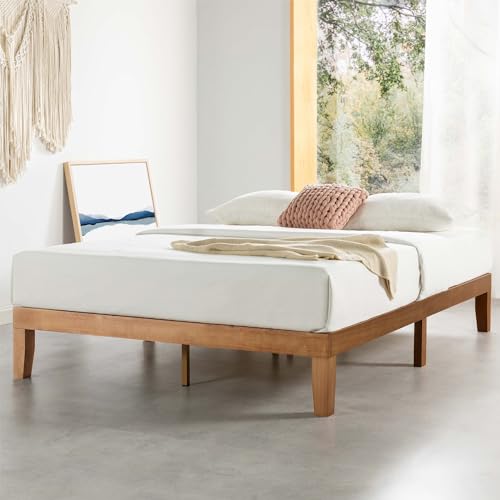

Assessing Wood Types and Finishes
Selecting the right kind of timber is fundamental. I typically consider the following varieties:
- Oak: Durable and sturdy, available in red and white varieties. It has a strong grain pattern, giving character to any piece.
- Maple: Known for its smooth surface and fine grain, maple offers a contemporary feel and often has a light color.
- Cherry: Darkens over time, providing a rich patina. It boasts a warm tone that pairs nicely with other warm-hued pieces.
- Pine: More budget-friendly, it features a rustic charm and is lighter in color. However, it’s less dense than hardwoods.
Evaluating finishes is just as necessary as wood selection:
- Stain: Enhances the wood’s natural color, adding depth. I often test on a small section before committing.
- Varnish: Creates a protective layer, typically glossy or satin. This finish is durable and easy to maintain.
- Lacquer: Dries quickly and provides a high-gloss finish. While beautiful, it can be susceptible to scratches.
- Oil: Penetrates deep for a natural look. It requires reapplication but can be pleasing for both the eye and touch.
Always examine the grain and color undertones to see how they interact with surrounding items. I tend to gather samples to visualize how everything connects. Trusting my instincts in these choices has often led to satisfying results.
Choosing a Complementary Color Palette
I recommend starting by identifying a dominant hue in your current pieces. If the existing elements lean towards warm tones like honey or amber, consider selecting similar shades for your new addition, such as a soft tan or caramel. For cooler tones like oak or walnut, a muted gray or deep slate can harmonize well.
Next, explore contrasting shades that can enhance the overall look. Pair lighter wood tones with rich colors, such as navy blue or charcoal. Dark wood finds a striking partner in lighter palettes with accents of creamy whites or pastel hues.
Use accessories to introduce accent colors. Throw pillows, blankets, or artwork can bridge any gap between different styles, creating a cohesive and balanced ambiance. For instance, if the bedframe is natural and light, integrate deeper colored cotton or wool textiles to establish depth.
Don’t overlook the significance of the room’s lighting. Natural light can alter perceived colors, so examine the palette in various lighting situations to ensure it maintains synergy throughout the day. Testing a few swatches on the wall can provide inspiring insights on how your choices interact in the space.
Finally, remain open to experimenting with textures. Combining smooth finishes with rustic or matte elements can add dimension to your design. A glossy surface against a textured wall or fabric can result in a visually appealing contrast, enhancing the overall décor.
Consider the Style of Existing Furniture
I prioritize examining the design elements of current pieces to achieve coherence in the space. Pay close attention to the silhouettes, lines, and overall craftsmanship. For instance, if your other items have clean, modern lines, opting for a contemporary frame will enhance harmony.
Cataloguing various styles can aid in making informed choices. Below is a table outlining popular styles and their defining characteristics:
| Style | Characteristics |
|---|---|
| Traditional | Rich woods, ornate details, warm tones |
| Modern | Sleek forms, minimal ornamentation, neutral colors |
| Rustic | Natural textures, distressed finishes, earthy hues |
| Industrial | Raw materials, metal accents, utilitarian vibe |
| Scandinavian | Light woods, functional design, soft palettes |
Integrate elements that resonate with these styles for fluidity. For example, if most of your items have a vintage appeal, selecting a bed that features reclaimed materials will tie the room together seamlessly. I also consider whether detailing, such as carvings or hardware, aligns with my established decor.
The scale of the new addition must correlate as well. A sleek, low-profile model can complement taller, more substantial pieces, avoiding visual competition. By thoughtfully aligning styles and proportions, a cohesive aesthetic unfolds, enhancing the beauty of the overall space.
Measuring dimensions and proportions accurately
To ensure optimal harmony, I carefully measure the dimensions of every piece. Begin with the height of the headboard and mattress, then assess the overall length and width of the structure. Consider the available space in the room to avoid overcrowding.
Key Measurements to Take
| Measurement | Description |
|---|---|
| Height | From floor to top of headboard, plus bed height with mattress. |
| Length | Total length including any protruding elements. |
| Width | Width across the widest point, considering side rails. |
Secondly, I analyze proportions. A larger room may accommodate an imposing frame, while a compact area requires more streamlined designs. Also, consider the ratio of height to width; a tall headboard can draw attention upward, enhancing the sense of space.
Spacing and Arrangement
Leave sufficient clearance around the periphery. Typically, 24-30 inches provides a comfortable flow for movement. Additionally, observe visual balance by aligning other pieces, such as nightstands, similar in scale to the main structure. This fosters a cohesive aesthetic without overwhelming the room.
Incorporating Textures for Harmonious Design
I recommend mixing materials to create depth. Combining various textures, such as smooth, matte, and glossy finishes, enhances visual interest. For instance, if you have a rustic finish on your new piece, consider soft textiles like velvet or linen for bedding or accent pillows to create a pleasing contrast.
Layering Textiles
Layer different fabrics for added richness. Pair woven throw blankets with plush cushions. This variety not only adds comfort but also visually connects pieces, ensuring a cohesive look throughout the space.
Utilizing Natural Materials
Focus on incorporating natural elements. Pairing your recent addition with items like jute or wicker can bring warmth. Consider bedside tables or decor that feature these materials to tie in the organic feel. This approach balances the sleek finish of a new creation with a more earthy vibe, allowing each element to complement the other seamlessly.
By thoughtfully selecting and combining various textures, you can achieve a harmonious atmosphere that unifies different pieces, making your space feel intentional and inviting.
Utilizing Accent Pieces to Create Cohesion
Integrate items like lamps, art, or decorative pillows that resonate with the tones of your new addition. For example, a lamp with a similar finish can harmonize disparate elements. Select artwork featuring colors found in both the new addition and pre-existing elements, establishing continuity through shared hues.
Incorporate throw blankets or cushions that mimic the texture or color of the bedroom frame. This approach bridges the visual gap and creates an organized appearance. Side tables or shelving units that echo the lines or wood grain of the main piece can also enhance cohesion. Opt for complementary materials to bring together styles without overpowering the primary focus.
Consider the scale of accent pieces. Choosing dimensions that align with the larger furnishings ensures balance across the room. A well-placed rug can unify the space, drawing attention to the layout while integrating all pieces seamlessly.
Testing for Compatibility with Lighting
Evaluate the lighting in the room where the piece will reside. Natural light sources can dramatically alter the appearance of hues and finishes. Check how the space is illuminated throughout the day; observe how shadows and highlights play across the surfaces. Under different lighting conditions, the appearance of tones and grains can shift, affecting the overall aesthetic.
Utilize warm-toned bulbs to enhance golden or reddish finishes, while cooler tones can make gray or ash-colored elements stand out. Testing various types of bulbs and their intensities allows me to determine which creates the most appealing ambiance. It’s also important to consider the placement of lamps or overhead fixtures; these can cast unwanted colors or reflections on surfaces, which may clash with chosen elements.
When layering light sources, ensure that accent and task lighting complement the primary illumination. Dimmers can provide versatility, adjusting brightness to showcase different aspects of the decor throughout the day or night. Additionally, pay attention to reflective surfaces in the space; they can amplify or distort light, impacting the visual harmony.
A key practice is to examine the combination under real-life conditions, allowing for a decision that feels cohesive and thoughtfully curated. By integrating these observations, I can effectively enhance the harmony between each item and the room’s overall design.
Understanding the Impact of Room Layout
The arrangement of furniture plays a significant role in how items harmonize within a space. To optimize the synergy between your latest addition and what’s already in the room, pay close attention to the layout.
Key Considerations
- Room Flow: Ensure that pathways are unobstructed and that movement from one area to another feels natural. Consider placing larger pieces away from main walkways.
- Focal Points: Identify the focal points within the room. Position your new piece to enhance or complement these features, whether it’s a window, a piece of art, or a fireplace.
- Scale Balance: Evaluate the scale of all items. Items in the room should create a balance of visual weight. Avoid overcrowding smaller spaces or making larger areas feel sparse.
Additional Tips
- Utilize a floor plan to experiment with different configurations.
- Observe the proportions of various pieces in relation to the ceilings, windows, and doorways to achieve a cohesive look.
- Consider using rugs to define areas and bring together various furnishings, which can enhance spatial relationships.
Taking the time to thoughtfully arrange elements contributes to a unified and aesthetically pleasing environment, ensuring every piece feels integrated in its context.
Maintaining balance with additional decor
To enhance harmony in my space, I incorporate decor elements that resonate with my chosen sleep surface and its surrounding pieces. Here are key strategies I employ:
Utilize a cohesive accent color
- Select accessories, such as cushions or throws, that echo shades present in neighboring items. This creates a fluid transition across the room.
- Consider artwork or wall colors that incorporate similar hues, reinforcing visual unity without overwhelming the eye.
Incorporate functional decor
- Opt for decorative storage solutions like stylish baskets or trunks that complement the overall aesthetic and serve practical purposes.
- Use items like lamps or small tables that not only fill empty spaces but also echo the lines or finishes of my larger pieces.
By balancing these decor components, I achieve a cohesive look that seamlessly connects my sleeping environment with the rest of the room. Experimenting with placement and combinations helps refine the overall atmosphere, creating a relaxed and inviting retreat.


