
 Caleb Turner

Begin with a solid base. Select a high-quality primer that adheres well to the surface of your piece, ensuring it’s free from dust and grease. Apply a thin, even coat and allow it to dry fully before proceeding.
Choose a palette that resonates with your aesthetic. A selection of two or three colors will create depth and dimension. I recommend using acrylics for their versatility and ease of use. Mix each color with a contrasting shade for a more dynamic appearance.
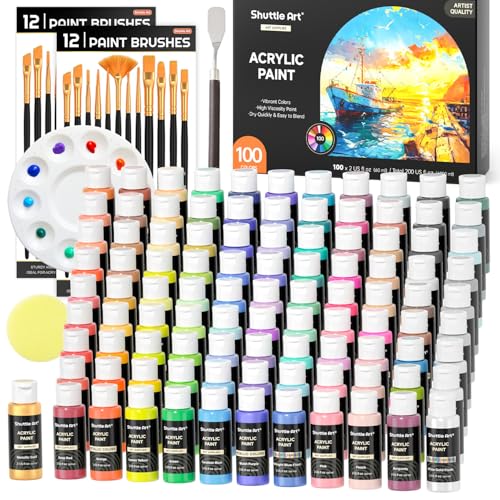


For application, use a sponge or soft brush. Dap the colors onto the surface randomly, allowing them to blend subtly. Keep a wet edge to create natural flow, avoiding harsh lines. To refine the appearance, utilize a small, fine-tipped brush to add veining. A steady hand will help achieve a realistic look.
Seal your masterpiece with a clear topcoat to protect the design and enhance the finish. Select a matte or glossy option based on your desired effect. After the topcoat dries, your piece will reflect the beauty of sophisticated stone while remaining functional.
Technique for Creating Stone-Like Patterns
Use a base coat in a light neutral shade to create a canvas for your design. Once dried, select two or three darker hues that mimic natural stone, such as charcoal, slate, or dark taupe. Prepare a small tray with the selected colors, ensuring they are poured in a manner that allows them to blend slightly without completely mixing.
With a wide brush, dip into the lighter color first, applying it in a sweeping motion across the surface. Follow up by taking a different brush for each of the darker colors, adding them intermittently. A wood or plastic skewer can be used to gently swirl and blend sections of the colors, creating veins and depth.
Finishing Touches
Once satisfied with the pattern, allow it to dry for several hours. A protective coat should be applied to seal the design and enhance durability. Clear varnish or polyurethane works well, ensuring that the intricate details are preserved.
| Supplies Needed | Color Recommendations |
|---|---|
| Base coat (neutral) | Charcoal |
| Darker paint colors | Slate |
| Brushes (wide and fine) | Dark taupe |
| Skewer or stick | Metallic accents (optional) |
Choosing the Right Type of Furniture for Marble Painting
Opt for smooth surfaces, ideally made of wood, metal, or laminate, as they provide the best base for creating intricate patterns. Avoid porous materials like untreated wood or upholstery, which absorb product unpredictably and hinder the overall finish.
Best Candidates
Side tables, dressers, and shelves typically yield excellent results due to their flat areas and manageable size. Choose pieces with simple lines to enhance the elegance of the finished look without overwhelming details that may detract from the technique.
What to Avoid
Steer clear of intricate designs or those with heavy carvings; they complicate the application process and make it difficult to achieve a cohesive appearance. Likewise, avoid furniture that must retain its original texture, as the layering could conceal desired features.
Gathering Necessary Supplies for Marble Painting
I recommend collecting a specific set of materials before diving into this creative endeavor. Here’s a detailed checklist to keep you organized:
- Surface Preparation:
- Sandpaper (fine and medium-grit)
- Cleaning cloths or paper towels
- Primer suitable for the base material
- Color Selection:
- Acrylic or latex hues in desired shades
- Metallic options for added depth
- Application Tools:
- Foam rollers or brushes for base coats
- Straws or brushes for creating texture
- Sponges for blending colors
- Sealing:
- Clear sealant to protect the finished design
- Spray sealer for an even coat
After gathering these essentials, ensure you have adequate workspace and protection for surrounding areas. This preparation will set the stage for a successful transformation.
Preparing the Surface for Transformation
I always make sure to clean the item thoroughly before applying any new finish. Dust, grease, and grime can hinder adhesion, so I start with a solution of warm soapy water. After scrubbing, I rinse well and allow it to dry completely.
Next, I assess the condition of the surface. If there are imperfections like scratches, I sand them down with fine-grit sandpaper. This not only smooths the area but also helps create a better grip for the new layer. Afterward, I wipe away any dust from sanding to ensure a flawless application.
Dealing with Existing Coatings
If the piece has a glossy finish, I recommend using a medium-grit sandpaper to dull the sheen. This provides a rough surface for the new layer to adhere to effectively. If the existing layer is thick or peeling, I might consider stripping it down to the bare material using a chemical stripper or heat gun. Safety precautions, including gloves and goggles, are always a priority during this process.
Final Touches
A quick wipe with a tack cloth pulls away any residual dust or debris left behind. I often opt for a primer specifically designed for the material of the item, especially if it’s wood or metal. Priming enhances the final look and helps achieve a more uniform appearance. After prepping, I’m ready to start the creative process with confidence.
Selecting Colors for Your Marble Effect
Choose a color palette that reflects your personal style and complements your space. I prefer to start with a base color that sets the overall tone, often opting for neutral shades like cream or light gray to create a versatile backdrop.
Next, select one to two accent hues to create depth and contrast. Rich tones like deep green or navy can evoke a luxurious feel, while softer pastels such as blush or lavender offer a more delicate appearance.
Consider the nature of your surrounding decor. If the environment has warm undertones, lean towards yellows or earthy tones. For cooler spaces, blues and greens work well. Testing small swatches on the surface will help in visualizing the final outcome.
Balance is key; using both light and dark shades enhances the illusion of texture. Mixing metallics, like gold or silver, can add an elegant touch. Remember to maintain cohesion throughout by ensuring the colors harmonize with existing elements in the room.
Applying the Base Coat for Marble Painting
Choose a high-quality acrylic or latex primer as the initial layer. Using a paint roller or brush, evenly cover the entire surface. Ensure you reach all corners and crevices for uniform coverage. Allow the base layer to dry completely, typically about two hours, depending on humidity and temperature conditions.
For a more durable finish, consider applying a second coat after the first one has dried. This additional coat helps to achieve a more solid foundation and enhances the overall look, especially if your secondary colors are lighter. Remember to lightly sand the surface between coats to promote adhesion.
While applying, stay mindful of drips and runs, as they can impact the final design. If they appear, gently smooth them out with a clean brush before the layer dries. Proper preparation of the base is crucial for achieving the desired aesthetic results in the subsequent stages.
Use a flat or eggshell finish to help reflect light, enhancing the visual depth of the upcoming layers. Once satisfied with the base coat, let it cure for at least 24 hours to ensure maximum stability before moving on to the next steps in creating the stone-like aesthetic.
Creating the Marble Effect with Paint Techniques
I utilize a clean approach to achieve a stunning effect. Begin by employing a sponge or a sea sponge as your primary tool. This technique enables me to create texture and variation, essential for a realistic appearance.
With the base layer dried, I layer on a contrasting hue using the sponge. I dab lightly, allowing the underlying color to show through while ensuring an organic distribution. I rotate the sponge frequently to avoid patterns, enhancing the authenticity of the design.
Next, I introduce a third color for depth. By mixing this hue with a bit of water or a glazing medium, I achieve a transparent consistency that permits some of the previous colors to subtly peek through.
I apply this mix with a brush, flicking it over the surface to mimic the natural striations found in stone. Using a soft brush helps to blend harsh lines, making the transitions smoother.
To finalize the look, I incorporate a glossy topcoat after the layers have dried thoroughly. This step not only adds sheen but also protects the finish from wear. I ensure to allow ample drying time between applications to maintain quality.
- Utilize a sponge for texture.
- Layer contrasting colors lightly with the sponge.
- Mix a third transparent hue for depth.
- Flick paint with a brush for striations.
- Finish with a glossy topcoat for protection.
By following these specific recommendations, I consistently achieve a beautiful and unique surface that mimics natural stone. Experimentation with colors and techniques can lead to an even more personalized result.
Finishing Touches: Sealing Your Marble Painted Furniture
To protect the finish and enhance the beauty of your newly crafted design, applying a quality sealant is critical. Choose a water-based polyurethane or a clear acrylic sealer for best results. These options dry clear and provide a durable, long-lasting coat.
Application Process
Once the decorative effect is completely dry, clean the surface with a soft cloth to remove dust. Use a high-density foam roller or a synthetic bristle brush to apply the sealer evenly, ensuring that you cover all areas without leaving streaks. Work in thin layers, allowing each coat to dry fully before applying another. Two to three coats will provide optimal protection.
Drying and Curing
After the final coat, allow the piece to cure in a well-ventilated area for at least 24 hours. During this time, avoid placing any items on the surface to ensure a flawless finish. Following this care will help maintain the integrity of your design for years to come.
Maintenance Tips for Marble Painted Furniture
Regularly dust the surface with a soft, lint-free cloth to prevent dirt buildup. Avoid abrasive cleaners which can scratch the delicate finish. For tough stains, a mild soap solution works best; gently rub with a soft sponge, rinsing thoroughly afterward. Always dry the surface completely to prevent water damage.
Keep the items away from direct sunlight, as UV exposure can fade colors over time. Use coasters or placemats under hot or wet items to minimize the risk of damage. If spills occur, clean them immediately to avoid any potential staining.
Periodically inspect for any signs of wear or chipping. If needed, a touch-up with the appropriate color can restore the appearance without requiring a full redo. For added protection, consider applying a wax or suitable sealant periodically, following the manufacturer’s instructions for the best results.
Be mindful of heavy objects; avoid placing excessive weight on delicate surfaces. If needed, reinforce the underlying structure to maintain stability without compromising the decorative finish.
Common Mistakes to Avoid in Marble Painting
Avoid rushing the drying process between layers. Patience is key to achieving a flawless finish. Ensure each coat is thoroughly dry before applying the next to prevent the colors from blending improperly.
Neglecting Surface Preparation
Skipping adequate cleaning and sanding of the surface can lead to poor adhesion. Dust, grease, or old finishes can interfere with the new layer, resulting in unsightly imperfections. Always start with a clean, smooth surface.
Choosing Incompatible Colors
Opting for shades that are too similar can diminish the desired effect. Select contrasting hues that enhance the visual depth and complexity of the design. Testing color combinations on a small area beforehand can save time and resources.
Failing to use the right application tools often leads to uneven textures. Different brushes and sponges create varying effects, so choose your tools wisely to achieve the desired style. A good quality brush can make a significant difference.
Overworking the paint during application results in muddled designs. Work in sections and apply the layers quickly to preserve the integrity of the pattern. Excessive smoothing can erase the marbled appearance.
Forgetting to seal the surface once finished is a common oversight. A proper topcoat not only protects the design but also enhances its longevity. Choose a finish that suits your wear-and-tear expectations.


