
 Caleb Turner

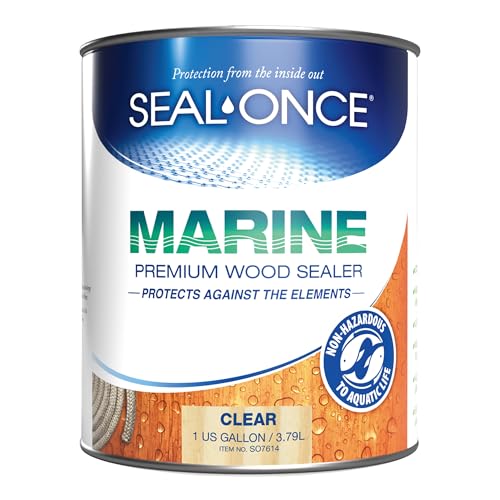
Applying a high-quality sealant is your best bet for safeguarding timber against moisture and UV damage. I recommend using a penetrating oil-based product that will deeply absorb and create a protective barrier. Look for options that specifically mention weather resistance on the label.
Preparation is key; ensure the surface is clean and dry before application. I often sand the wood to enhance adhesion and remove any old coatings. After cleaning, allow the surface to dry completely, typically for 24 hours, to ensure optimal results.
For maintenance, I suggest reapplying the sealant annually. A simple inspection during the seasons can help you catch any wear and tear early, prolonging the life and allure of your outdoor pieces. Additionally, consider storing items indoors during harsh weather to maintain their condition and appearance.


Creating a Resilient Outdoor Design
Choosing an appropriate sealant is a priority for ensuring longevity against moisture and UV damage. I prefer using high-quality marine-grade varnishes or specific outdoor finishes, as they offer superior protection while enhancing the natural beauty of the surface. Application requires proper surface preparation–sanding is paramount for adherence, followed by cleaning to remove any dust or debris.
Regular Maintenance Protocol
Establishing a routine maintenance schedule greatly influences durability. I recommend reapplying the sealant annually, especially after harsh weather conditions. Inspecting for any signs of wear, such as peeling or cracking, can prevent long-term damage. Utilizing a soft cloth for cleaning and mild soapy water helps to maintain the finish without causing abrasions.
Smart Design for Longevity
Opt for elevated designs to enhance air circulation and minimize ground moisture exposure. Incorporating sloped surfaces prevents water pooling, significantly reducing the risk of rot and decay. Additionally, selecting rot-resistant species like cedar or redwood can provide natural resistance, contributing to the overall lifespan of the constructs.
Selecting the Right Type of Wood for Outdoor Furniture
I recommend choosing naturally durable species such as teak, cedar, or redwood for external settings. Teak is renowned for its high natural oil content, making it incredibly resistant to moisture and pests. When I opted for cedar, I appreciated its lightweight nature and resistance to warping. Redwood also offers a beautiful aesthetic and good decay resistance, perfect for long-lasting outdoor use.
Consideration of Local Climate
Understanding the local environment is crucial. In humid areas, I suggest opting for hardwoods like mahogany that can withstand moist conditions. Conversely, in drier climates, softer woods such as pine treated with protective coatings can perform admirably. Always factor in the common weather patterns when selecting your material.
Maintenance and Longevity
Maintaining the right wood choice is essential for durability. For instance, I apply a coat of wood preservative annually to protect against UV rays and moisture damage. This step extends the lifespan significantly. Prioritize wood that requires minimal upkeep for convenience without sacrificing quality.
Preparing the Wood Surface for Treatment
Prior to applying any protective coatings, ensure the surface is clean and smooth. I use a pressure washer or a hose to remove dirt, dust, and any residues. If the wooden element has been previously treated, remove old finish using a paint stripper or sandpaper. I prefer 80-grit sandpaper for aggressive removal, and then follow up with 120-grit for a smoother surface.
It’s vital to pay attention to any imperfections such as cracks or holes. I fill these with a suitable wood filler and allow it to dry completely. After that, I sand the filled areas until they are level with the surrounding surface.
Proper moisture content is crucial. I use a moisture meter to check that the timber is below 12% moisture before treatment. If it’s too damp, I allow it to dry in a shaded area, away from direct sunlight. Once dried, I wipe the surface with a damp cloth to remove any dust generated during sanding.
For enhanced adhesion, I apply a suitable wood conditioner, especially if using an oil-based finish. This step helps penetrate the timber and prepares it for the final treatment. After applying the conditioner, I allow it to soak in according to the manufacturer’s directions before proceeding.
| Steps | Tools Needed | Tips |
|---|---|---|
| Clean Surface | Pressure Washer or Hose | Ensure surface is completely dry |
| Remove Old Finish | Paint Stripper or Sandpaper | Use progressive grit for better smoothness |
| Fill Imperfections | Wood Filler | Sand once completely dry |
| Check Moisture Content | Moisture Meter | Dry timber below 12% moisture |
| Apply Conditioner | Wood Conditioner | Follow manufacturer’s drying time |
Applying Wood Preservatives and Sealants
Select a high-quality preservative specifically designed for outdoor applications. These products penetrate deep into the fibers, providing a barrier against moisture and pests. I prefer products with mildewcides and fungicides to enhance protection further.
Application Techniques
Use a brush or a spray to ensure even coverage. Start from an elevated surface, applying from the top down, allowing excess to drip down without pooling. Pay extra attention to end grains and joints, as these areas are more susceptible to water infiltration.
Allow ample drying time between coats, typically 24 hours, to ensure full absorption and effectiveness. I often apply at least two to three coats for optimal protection, checking for any missed spots after each layer dries.
Choosing Sealants
After preservatives, consider a sealant for added water resistance. Opt for a clear or tinted sealant that complements the natural grain. Oil-based sealants generally provide longer-lasting protection compared to water-based ones.
Periodically inspect the surface for signs of wear, reapplying preservatives and sealants as necessary, generally every one to two years, to maintain longevity and appearance.
Choosing and Applying Outdoor Paint or Stain
Select a paint or stain specifically designed for exterior applications. These products contain UV-blocking agents and mildew preventatives. Look for options that are labeled as water-resistant or waterproof.
Types of Finishes
- Paint: Offers a solid barrier against moisture. Choose high-quality, acrylic latex paints for longevity.
- Stain: Penetrates the surface, allowing the natural grain to show while providing protection. Opt for semi-transparent or transparent stains that contain a protective sealant.
Preparation and Application Process
- Ensure the surface is clean and dry. Remove all old finishes, dirt, and grime using a power washer or sandpaper.
- Test the chosen product on a small, inconspicuous area to ensure compatibility with the surface.
- Apply the paint or stain using a high-quality brush or sprayer, following the manufacturer’s recommendations for coverage and drying times.
- Follow up with a second coat for enhanced protection, especially for stains.
- Allow adequate drying time before exposing the piece to moisture or direct sunlight.
Routine maintenance every couple of years will prolong the lifespan of the finish. Reapply your chosen coating as needed to combat wear and tear from the elements.
Regular Maintenance Tips for Weatherproofed Furniture
Inspect surfaces regularly for signs of wear or damage. A quick look can reveal peeling, fading, or cracks that need attention.
Clean your pieces often with a mild soap solution to remove dirt and grime. Rinse thoroughly to prevent soap residue from building up.
Apply a fresh coat of sealant or protective finish every year, especially before the onset of harsh weather. This helps maintain the protective barriers.
Wipe down surfaces after heavy rain or exposure to moisture to prevent swelling or degradation.
Store items indoors during extreme weather conditions to prolong their lifespan. If not possible, use furniture covers designed for outdoor use.
Keep an eye on potential mold or mildew growth. If spotted, treat promptly with a mixture of water and vinegar, ensuring the surface is fully dried afterward.
Check for loosening hardware such as screws or bolts. Tighten these parts to maintain stability and structure.
Consider applying a UV-blocking spray to minimize sun damage, ensuring the finish retains its original color and integrity.
Rotate outdoor pieces periodically to ensure even exposure to sunlight, reducing the risk of uneven fading.
Protecting Against UV Damage
Utilizing high-quality UV-resistant sealants is vital. I apply these products specifically designed to block harmful rays, significantly enhancing the lifespan of the surface. Opt for sealants containing stabilizers, which effectively prevent fading and discoloration.
Choosing Protective Finishes
Choosing finishes with UV protection is non-negotiable. In my experience, polyurethane or spar varnish offers robust defense against sun exposure. Additionally, I ensure to apply multiple coats for maximum durability, following manufacturer instructions precisely.
Strategic Placement
Location plays a key role. I position items carefully, avoiding direct sunlight whenever possible. Utilizing umbrellas or canopies not only provides shade but also extends the life of my outdoor pieces considerably.
Regular cleaning is indispensable. I clean surfaces with gentle soap and water to remove particles that can trap moisture and accelerate deterioration. With simple maintenance habits in place, I ensure that the effects of UV damage are kept at bay.
Storing Outdoor Furniture During Harsh Weather
Moving items indoors during extreme conditions is the most effective strategy. A sheltered space ensures protection against rain, snow, and strong winds. Consider these alternatives:
- Garage: If available, it keeps pieces dry and safe from temperature fluctuations.
- Shed: Offers excellent protection and reduces weather exposure.
- Covered Patio: If bringing inside is not possible, a covered area can shield items from direct elements.
For larger pieces that can’t be moved, implementing coverings made from breathable fabric is beneficial. Avoid plastic tarps as they trap moisture, leading to mold and decay.
Maintenance Before Storage
Prior to placing items in a storage area:
- Clean thoroughly to prevent dirt accumulation.
- Inspect for any damage that may worsen in storage.
- Apply a protective coat of sealant for added defense against moisture.
Considerations During Storage
Keep the following in mind while storing:
- Elevate furniture off the ground to prevent contact with moisture.
- Ensure proper ventilation to discourage mold growth.
- Avoid stacking items, as this may cause scratches or warping.
Following these guidelines can significantly extend the life of outdoor pieces, ensuring they remain in excellent condition despite harsh weather challenges.


