
 Caleb Turner

Begin with a thorough cleaning routine. Utilize a mixture of warm water and mild soap, applying it with a soft cloth. Avoid saturating the surface to prevent moisture seepage. This cleansing step effectively removes dirt and grime that accumulate over time.
Next, consider applying a suitable conditioner to rejuvenate the surface. Look for oils, such as mineral or flaxseed, specifically designed for enhancing the appearance of natural surfaces. Apply a small amount with a clean cloth, rubbing it gently to allow absorption. This nourishes the material and enhances its luster.
For scratches and minor imperfections, choose a wax-based filler. Select a shade that closely matches the original tone. Carefully apply it to the affected areas, smoothing it out for an even finish. This technique masks blemishes while preserving the item’s character.
Finally, finish with a protective sealant to safeguard the revitalized surface. A satin or matte finish can help maintain its refreshed appearance while providing durability against daily wear. Regular maintenance, including dusting and occasional reapplication of oil, will keep the charm and integrity intact.


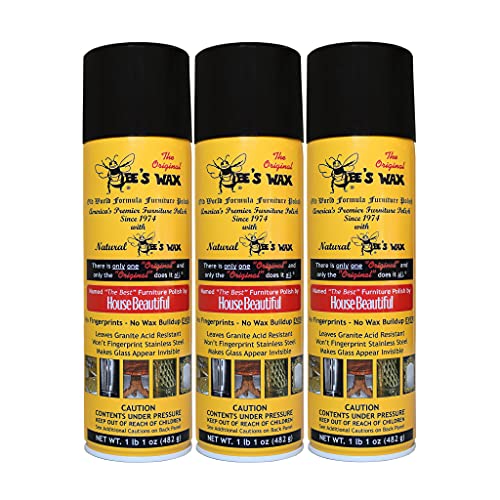
Assessing the Condition of Your Furniture
Examine surfaces for scratches, dents, or discoloration. Use natural light to identify imperfections that may be hidden. A damp cloth can help reveal marks that dry might obscure. Pay attention to the seams and joints for any looseness or wear that compromises stability.
Check the Finish
Analyze the protective coating. A glossy surface may indicate the need for refinishing, while a matte finish could suggest deep scratches or wear. If the finish feels sticky or tacky, it may require stripping or replacement. Test in a small area before proceeding to ensure compatibility with cleaning agents or solvents.
Inspect for Damage
Look for signs of insect infestation or rot. Use a magnifying glass to check areas prone to damage, such as under table legs or inside drawers. If pests are detected, treat the issue immediately to prevent further deterioration. Resealing or refurbishing may be necessary for affected areas.
Evaluate weight distribution and stability. Gently rock the piece to determine if it’s uneven or unstable. Address any wobbliness by tightening hardware or adding furniture pads to the feet. A sturdy base is essential for longevity.
Choosing the right cleaning solutions for wood surfaces
I recommend using a mixture of mild soap and water as a primary cleaning solution. This gentle approach effectively removes dirt without damaging the finish. A few drops of dish soap diluted in warm water work well for routine cleaning. Ensure to use a soft cloth to apply the solution.
For more stubborn stains, consider a vinegar and water solution. Mix equal parts of white vinegar and water; this natural cleaner helps break down grime. Always test on a hidden area first to confirm compatibility with the surface.
Using commercial products designed specifically for treated surfaces can yield excellent results, but checking for non-toxic options is prudent. Read labels carefully, avoiding heavy-duty chemicals that could harm finishes or leave residues.
If the surface has a protective finish, consider a polish that enhances shine without stripping away the protective layer. Look for options containing carnauba wax for robust protection and a beautiful sheen.
For ongoing maintenance, a microfiber cloth is ideal, as it captures dust efficiently without scratching the surface. Regular dusting with this material helps prevent the buildup of grime between deeper cleans.
In cases where deeper cleaning is needed, commercial wood cleaners formulated to restore luster can be beneficial. Ensure compatibility with your specific surface type, as different finishes respond to various products uniquely.
Removing scratches and dents from wooden items
I use a simple technique to eliminate minor scratches. I apply a walnut half directly onto the scratches, allowing the natural oils to penetrate the wood. This not only conceals the damage but also nourishes the surface. In cases of deeper scratches, I mix equal parts of vinegar and olive oil. After rubbing the mixture into the affected area with a cloth, the combination minimizes the appearance of the scratch significantly.
For dents, I opt for moisture and heat. I place a damp cloth over the dented area and apply a warm iron for a few seconds. The steam helps the wood fibers swell back into place. Repeating this a couple of times usually restores the original shape, provided the dent isn’t too deep.
Finish off by gently sanding the area with fine-grit sandpaper, followed by applying a matching finish or polish to help blend the repair with the surrounding area. This process revitalizes the overall appearance while maintaining the integrity of the piece.
Applying the appropriate finish for a fresh look
For a revitalized appearance, I prioritize selecting the right finish based on the type of treatment needed. Common options include varnish, polyurethane, and oils, each offering distinct benefits. Polyurethane provides a durable surface ideal for high-traffic items, while oil finishes penetrate deeply, enhancing natural grain patterns.
Types of Finishes
Polyurethane comes in both oil-based and water-based varieties. Oil-based finishes offer a warm tone and increased durability, but require longer drying times. Water-based options dry quickly and maintain clarity, making them suitable for lighter woods.
For a traditional feel, I often opt for Danish oil or tung oil. These penetrate the wood and enhance its grain without providing a heavy layer. They are perfect for achieving a matte finish that feels organic.
Application Tips
Before applying any finish, I ensure the surface is clean and free from dust and debris. Using a high-quality brush or spray applicator, I apply thin, even coats to avoid drips. I recommend allowing sufficient drying time between coats–typically 4 to 8 hours–before sanding lightly for smoothness. For optimal results, I usually apply 2-3 coats, curing completely before using the item again.
Reupholstering Cushions to Complement Wood Pieces
Choose fabrics that enhance the overall aesthetic while matching the existing color palette of your wooden elements. Consider natural fibers like cotton and linen for a timeless look or opt for velvets for a touch of luxury.
Before starting, remove the old upholstery carefully. Use a staple remover to take off the old fabric without damaging the cushions. Ensure the foam and batting are in good condition; replace or add materials if necessary for comfort.
When cutting new fabric, allow extra material for seams and tacking. Measure accurately and cut carefully to avoid waste. A good rule is to add at least 3 inches to each side for a secure fit.
- Start by laying the cushion on the wrong side of the fabric.
- Pull the fabric over the cushion and staple or tack it down, beginning with one side and moving to the opposite side for tension.
- Repeat this process for the other sides, ensuring the fabric is taut but not overstretched.
Finishing touches can be made by adding decorative trims or piping along the edges for a polished appearance. This not only defines the shape but also provides a stylish contrast to the natural textures of your wooden pieces.
Regular maintenance of the upholstery is necessary to keep it looking fresh. Vacuum cushions periodically and spot clean stains with appropriate fabric cleaners to prolong their life.
Using Wax and Polish for a Protective Shine
I recommend using high-quality paste wax or liquid polish to achieve a brilliant finish. Apply a thin layer with a clean, soft cloth, ensuring even coverage across the surface. Allow it to dry for a specified time as indicated on the product label; this often ranges from 10 to 20 minutes.
After drying, buff the surface with another clean cloth to bring out a rich luster. For optimal results, follow these guidelines:
Application Tips
| Step | Action |
|---|---|
| 1 | Ensure the surface is clean and dry. |
| 2 | Apply the wax/polish in circular motions. |
| 3 | Let it sit as per product instructions. |
| 4 | Buff using a separate cloth to enhance shine. |
For added protection, consider reapplying every few months, especially in high-traffic areas. This not only maintains the shine but also acts as a barrier against everyday wear, moisture, and dust accumulation.
Product Recommendations
| Product Type | Recommendation |
|---|---|
| Paste Wax | Minwax Paste Finishing Wax |
| Liquid Polish | Guardsman Furniture Polish |
Whether opting for traditional paste or convenient liquid options, both will enhance the appearance while providing necessary protection. Frequent maintenance will keep surfaces looking immaculate for years to come.
Incorporating Restorative Oils to Revitalize Wood Grain
I recommend using restorative oils to enhance the natural beauty of grains. These oils penetrate deeply and nourish the fibers, bringing out their inherent patterns while providing protection.
Consider the following types of oils:
- Linseed Oil: This oil is excellent for light-colored species, promoting a warm hue and increasing durability.
- Tung Oil: A preferred option due to its water resistance, it dries relatively fast and enhances the texture significantly.
- Walnut Oil: Ideal for dark woods, it creates a rich finish and is non-toxic, making it safe for interiors.
Before applying, prepare the surface:
- Clean thoroughly to remove any dust or residues.
- Lightly sand the area to allow for better oil absorption.
Application steps:
- Use a soft cloth or brush to apply a thin layer of chosen oil.
- Allow it to soak in for 15-20 minutes.
- Wipe off excess oil with a clean cloth.
- Repeat the process if necessary, usually every three months, to maintain its luster.
This technique not only revitalizes aesthetics but also prolongs the lifespan of the pieces by shielding against moisture and wear.
Maintaining Your Furniture to Prolong Its New Appearance
Regular dusting with a microfiber cloth helps in retaining the pristine condition of surfaces. I prefer to wipe down the pieces at least once a week to prevent buildup and protect the finish.
For daily maintenance, I use coasters and placemats to avoid scratches and heat damage. Placing felt pads under decorative items is another simple yet effective measure to safeguard against unnecessary wear.
Humidity plays a significant role. I monitor the humidity levels in my home, aiming for around 40-55%. Utilizing a dehumidifier or humidifier ensures that the environment remains conducive to preserving wood integrity.
I limit direct sunlight exposure by rearranging items or using curtains to diffuse light during peak hours. This practice not only protects the color but also minimizes warping over time.
Occasional deep cleaning with a gentle solution tailored for these surfaces helps in rejuvenating luster. I mix warm water with a mild dish soap and apply it with a soft cloth, ensuring to dry immediately afterward to avoid moisture damage.
Regular inspections for signs of wear allow me to address issues before they escalate. If I notice any scratches or dings, I promptly repair them to maintain my pieces’ overall appearance.
Lastly, creating a seasonal maintenance schedule reminds me of applying a fresh thin coat of wax or polish. This not only enhances shine but also adds a protective layer against daily use.
FAQ:
What are the best products to clean wood furniture?
To clean wood furniture effectively, consider using a mixture of mild dish soap and warm water. For deeper cleaning, specially formulated wood cleaners or natural solutions like vinegar diluted with water can be beneficial. Avoid harsh chemicals or abrasive pads, as they can damage the finish. Always test any product on a small, inconspicuous area first.
How can I remove scratches from my wooden furniture?
Scratches can often be minimized using a few simple methods. For minor scratches, try applying walnut oil or a similar nut oil, which can fill in the scratch and restore the wood’s finish. For deeper scratches, you may use a wood stain marker that matches your furniture’s color, followed by a clear finish to seal it. Sanding and refinishing may be necessary for more significant damage.
Is it possible to refinish wood furniture at home? What steps should I follow?
Yes, refinishing wood furniture at home is possible. Begin by removing any hardware and cleaning the surface. Next, sand the furniture to strip off the old finish, using progressively finer grits for a smooth result. After sanding, apply a pre-stain conditioner if you’re using a stain. Once it dries, stain the piece to your desired color, and finish off with a protective sealant like polyurethane. Make sure to work in a well-ventilated area and follow safety precautions.
Can I use furniture polish on all types of wood?
Not all furniture polishes are suitable for every type of wood. It’s essential to check the product’s label for compatibility. Generally, natural oils such as beeswax or lemon oil work well with most finishes. Avoid using silicone-based polishes on antique or unfinished wood, as they can create a glossy layer that affects refinishing in the future.
How often should I maintain my wood furniture to keep it looking new?
Maintenance frequency largely depends on usage and the environment. Generally, dust your furniture weekly to prevent buildup, and clean it with a suitable cleaner every couple of months. For deeper care, such as polishing or conditioning, doing it every 3 to 6 months can help maintain the wood’s luster. Always adjust based on factors like humidity, exposure to sunlight, and the amount of use the furniture experiences.
What are some common methods to restore the appearance of wood furniture?
There are several effective techniques to restore wood furniture, depending on the condition of the piece. One common method is to clean the surface with a mixture of warm water and mild soap, followed by drying it thoroughly. For deeper scratches and blemishes, you might consider using a wood polish or a specific furniture wax to rejuvenate the finish. If the wood has significant wear, sanding the surface lightly and applying a fresh coat of wood stain or sealant can work wonders. Don’t forget to condition the wood with oil to enhance its natural grain and shine.
How can I prevent my wood furniture from looking worn in the future?
To keep wood furniture looking fresh, regular maintenance is key. Begin by dusting surfaces frequently with a soft cloth to prevent dirt buildup. It’s also helpful to use coasters and placemats to avoid scratches and heat damage. Consider applying a protective finish or sealant periodically to safeguard against moisture and wear. Positioning wood furniture away from direct sunlight can also minimize fading and discoloration. Lastly, maintaining a consistent indoor humidity level will help prevent cracks and warping, ensuring your furniture remains in great condition for years to come.


