
 Caleb Turner

Applying a high-quality sealant is the first step to safeguarding your exterior seating arrangements. Choose a marine-grade waterproofing product, as it provides superior protection against moisture and damaging UV rays, ensuring longevity.
Before starting, clean the surfaces thoroughly to remove dirt and debris. I recommend using a mild detergent and a soft brush, allowing the material to dry completely afterwards. This step ensures the sealing agent adheres effectively.
For the application, use a brush or a sprayer to ensure even coverage. Pay extra attention to joints and edges where water is likely to seep in. A second coat may be beneficial for added assurance, especially in regions with high rainfall.
After application, allow sufficient drying time as indicated on the product label. Regular maintenance checks will help you identify any signs of wear, giving you the opportunity to reapply the sealant as needed to maintain protection.
Strategies for Optimal Waterproofing of Wooden Outdoor Structures
I recommend starting with a deep-cleaning process to remove any dirt or residues. Use a mixture of soap and water, scrubbing the surfaces lightly with a soft brush. Rinse thoroughly and allow the material to dry completely before applying any protective coatings.

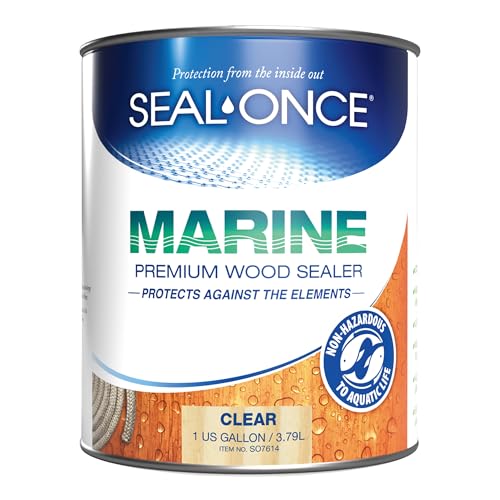


Next, consider applying a high-quality sealant specifically designed for exterior applications. Choose a product that provides UV protection and resists mold and mildew. Follow these steps:
- Stir the sealant thoroughly to ensure an even mix.
- Using a brush or roller, apply an even coat of the sealant, focusing on end grains and joints where moisture can penetrate.
- Allow the first coat to dry completely, following the manufacturer’s recommended drying times.
- Apply a second coat for enhanced protection.
Maintenance Tips
Regular upkeep is vital. Every few months, inspect the structure for any signs of wear or deterioration. If you notice any areas where the sealant has worn away, promptly reapply to maintain a strong barrier against moisture.
Additionally, consider storing these items indoors during harsh weather conditions. This simple step can prolong the lifespan of the surface and minimize exposure to water and humidity.
Bonus Techniques
- Use a tarp or protective cover during prolonged rain or snow for extra defense.
- Apply a natural oil, like teak oil, for added protection before the sealant; it nourishes the fibers and enhances water resistance.
Implementing these strategies will significantly enhance the durability and appearance of your external wooden installations.
Selecting the Right Type of Wood for Outdoor Use
Choosing the suitable timber is fundamental for lasting structures exposed to the elements. Certain types excel in durability and resistance to degradation caused by moisture and pests.
| Type of Wood | Characteristics | Best Uses |
|---|---|---|
| Teak | Highly resistant to water, insects, and decay; natural oils prevent warping. | Decking, seating, and premium accents. |
| Cedar | Inherent resistance to rot and insects; lightweight and aromatic. | Garden benches, tables, and fences. |
| Redwood | Durable against decay; maintains structural integrity over time. | Structures, planters, and seating. |
| Tropical Hardwoods (e.g., Mahogany) | Very dense, resistant to moisture and pests; remarkable longevity. | Outdoor dining sets, loungers, and heavy-use items. |
| Pressure-Treated Pine | Treated for enhanced resistance to moisture and insects; affordable. | Decking, framing, and budget-friendly projects. |
Choosing an appropriate type involves balancing desired aesthetics and long-term viability. Teak may be the premium choice for durability, while cedar offers an attractive and more affordable option. Knowledge of each type’s strengths enhances overall decision-making.
Proper selection can significantly reduce maintenance efforts and prolong the life of your creations, ensuring satisfaction and longevity in your outdoor spaces.
Preparing the Surface for Waterproofing
Clean the surface thoroughly using a mixture of water and mild detergents to remove dirt, grease, and old finishes. A pressure washer can effectively eliminate embedded grime, but if you choose this method, maintain a safe distance to avoid damaging the fibers.
Sand the surface evenly using medium-grit sandpaper to eliminate rough areas and ensure better adhesion of the protective coating. Move to a finer grit for a smooth finish. After sanding, clean off any dust with a damp cloth to achieve a clear surface.
Assessing for Damage
Examine for signs of rot, cracks, or other damage. Any affected areas must be treated with a wood filler or replaced altogether. Sealing these imperfections is crucial to avoid future degradation and ensure a durable protective barrier.
Conditioning the Wood
Apply a wood conditioner to help prepare the surface for the waterproofing agent. This step ensures even absorption of the product and enhances its longevity. Allow the conditioner to dry completely before proceeding with the waterproofing application.
Choosing the Best Waterproofing Products for Wood
Opt for high-quality sealants specifically formulated for exterior applications. Look for products containing alkyd resins or polyurethane, as these substances form strong barriers against moisture. Brands like Thompson’s WaterSeal and Minwax Helmsman offer reliable options, ensuring prolonged protection.
Consider using penetrating oils such as tung oil or linseed oil for a natural finish. These oils soak into the grain, enhancing durability while allowing the wood to breathe. This approach not only preserves aesthetics but also provides a waterproof layer.
Evaluate the type of finish–clear or tinted. A clear sealant protects the original look, while tinted options can enhance the color, offering additional UV protection. Ensure it’s labeled as suitable for harsh conditions to ensure longevity.
Look for products with mildew and mold inhibitors. These features prevent the growth of unwanted organisms, maintaining both appearance and structural integrity over time.
Always check the drying times and reapplication recommendations. Some products need frequent touch-ups, while others offer lasting results with minimal maintenance. A good rule of thumb is to reapply every one to three years, depending on exposure to the elements.
Read reviews and seek recommendations from experienced builders or woodworking communities. Real-world insights can guide you toward the most effective products based on your specific needs and local climate conditions.
Applying Sealants: Step-by-Step Instructions
Begin by gathering the necessary materials: sealant, brushes or rollers, sandpaper, and cloth. Ensure the application area is clean and dry for optimal results.
Preparation
- Choose a well-ventilated area.
- Wear protective gloves and goggles.
- Clear the surface of dust and debris using a damp cloth.
Application Process
- Shake the sealant container thoroughly to mix the contents.
- Pour a small amount of sealant into a tray for easy access.
- Using a brush or roller, apply a uniform layer across the surface. Work in sections to maintain control.
- Pay special attention to corners and edges, ensuring thorough coverage.
- Allow the first coat to dry according to the manufacturer’s instructions. Typically, this takes 1-4 hours.
- Lightly sand the surface with fine-grit sandpaper once dry to enhance adhesion for subsequent coats.
- Wipe off any dust with a clean cloth before applying the next layer.
- Apply a second coat following the same method, allowing it to dry completely.
Inspect the surface after the final coat. Ensure there are no visible areas left unsealed. For added protection, consider applying a third coat if conditions demand it.
After completing the sealing process, allow the piece to cure fully for at least 24 hours before exposing it to moisture.
Understanding Different Finishing Techniques
Selecting an appropriate Finishing Technique significantly influences the durability and performance of treated surfaces. I recommend exploring these key methods:
Types of Finishes
Here are some common options to consider:
| Finishing Technique | Advantages | Best Use |
|---|---|---|
| Oil-based Finishes | Deep penetration, enhances natural grain | High-moisture areas |
| Water-based Finishes | Rapid drying, low odor | Indoor settings or light exposure |
| Varnish | Hard outer coating, excellent UV protection | Exposed environments |
| Stains | Color enhancement, allows wood grain visibility | Decorative purposes |
| Polyurethane | Durable surface, chemical resistance | Heavy-use areas |
Application Techniques
Effective application is crucial for optimal results. I recommend these steps:
1. Clean the surface thoroughly before applying any Finishing Technique. Dirt or debris can cause uneven coverage.
2. Use a high-quality applicator such as a brush or roller specific to the finish type. For oils, a natural-bristle brush works well, while synthetic brushes are better for water-based products.
3. Apply multiple thin coats rather than one thick layer. This ensures a more uniform finish and reduces the risk of drips.
4. Allow adequate drying time between coats as recommended by the manufacturer. Patience here pays off with longevity and appearance.
5. Evaluate the finish once dried. If necessary, sand lightly between coats for an even smoother application.
These techniques and methods will enhance the longevity of preserved surfaces and protect them from environmental factors. Regular maintenance post-application will extend their life and aesthetic appeal.
Maintaining Waterproof Protection: Tips and Tricks
Regular inspections are essential. I check the seals and finish every few months for signs of wear or damage. If the surface starts to feel rough or if water doesn’t bead up anymore, it’s a clear indication that treatment is needed.
Periodic Reapplication
I recommend reapplying your chosen waterproofing solution annually. Regardless of the product, environmental factors like UV exposure and moisture can diminish its effectiveness over time. Following the manufacturer’s instructions ensures optimal results.
Cleaning Before Treatment
Before applying a new coat, I always clean the surface thoroughly. Using a mixture of mild soap and water helps remove dirt and grime. For stubborn stains, a gentle scrub with a soft brush works effectively without damaging the existing finish.
Storing items under cover during the off-season extends their lifespan significantly. This simple step shields them from harsh weather conditions, preventing premature degradation of protective layers.
Applying a fresh coat immediately after cleaning allows for better adhesion and ensures maximum protection. I always choose a day that’s dry and temperate for this task, avoiding extreme temperatures or humidity that could interfere with curing.
Recognizing Signs of Wear and Tear on Waterproofing
Inspect surfaces regularly for any changes in appearance. Look for discoloration, which may indicate that the protective layer has degraded. A faded or patchy look often signals that it’s time for maintenance.
Check for peeling or flaking, as these signs reveal insufficient adhesion of the protective coat. Damaged areas can quickly allow moisture penetration, leading to potential damage.
Moisture Absorption
Conduct a simple water test by pouring a small amount of water onto the surface. If the liquid beads up, protection is intact. If it soaks in, immediate reapplication is necessary to avoid further deterioration.
Mold or Mildew Growth
Presence of mold or mildew is a clear indication that the sealant has failed. Any visible fungal growth should be addressed swiftly. Clean affected areas and apply a new layer of protection to prevent future issues.
Pay attention to structural integrity as well. Warping or cracking suggests deeper problems caused by moisture infiltration. Regular maintenance can extend the lifespan of your protective measures.
Restoring Water Resistance: What to Do When It Wears Off
Examine the surface attentively. If you notice signs of moisture absorption, it’s time for restoration. Begin by cleaning the item thoroughly with a mixture of soap and water, rinsing well to eliminate any residue. Allow it to dry completely.
Steps for Renewing Protection
- Sand the surface lightly using fine-grit sandpaper. This removes any peeling or worn finishes and allows new products to adhere better.
- Clean up the dust created from sanding with a damp cloth to ensure a smooth application in the next step.
- Apply a high-quality sealant designed for the material. Use a brush or roller to ensure an even coat, covering all edges and corners.
- Allow the first coat to dry as per the manufacturer’s instructions, then apply a second coat for improved durability.
Additional Recommendations
Consider using a transparent stain that provides UV protection if fading is an issue. For prolonged exposure to the elements, reapply the protective barrier annually or as needed. Regular maintenance inspections help catch potential problems early.
By following these steps, resilience against moisture will be restored, enhancing the lifespan and appearance of your investment.
Considering Climate Effects on Outdoor Furniture Care
Focus on local weather patterns before setting up any exterior seating. Humidity levels can significantly influence the longevity of any applied treatments. High humidity accelerates mold growth, making regular inspection and maintenance crucial.
High temperatures require protective measures to prevent the material from drying out and cracking. I recommend using covers or moving items into shade during peak sun hours. Additionally, select breathable materials to allow moisture escape while blocking UV rays.
In snowy regions, prepare for melting during spring. Ensure drainage systems are clear to prevent water accumulation. Regular cleaning of any debris will minimize the risk of rotting or staining.
Wind poses another threat, whipping up debris that may scratch surfaces. Consider placing heavier pieces in sheltered areas to reduce exposure to harsh conditions.
Seasonal changes are inevitable, so I adjust care routines accordingly. In fall, removing leaves and ensuring absence of standing water is vital. Winter protection might involve more robust coverings to shield from snow and ice.
Awareness of localized climate risks allows for tailored maintenance that extends the life and appearance of any protected designs. Keeping an eye on changes can help implement necessary adjustments swiftly.
FAQ:
What materials are best for waterproofing outdoor wooden furniture?
When choosing materials for waterproofing outdoor wooden furniture, several options are highly recommended. Marine varnish is a popular choice as it provides an excellent barrier against moisture while enhancing the wood’s natural beauty. Another effective option is exterior wood stain with a water-repellent feature. These stains penetrate the wood and help prevent water absorption. Additionally, you could consider using a wood sealant designed specifically for outdoor use. It’s important to select a product that is UV resistant as well, to protect the furniture from sun damage.
How often should I waterproof my outdoor wood furniture?
The frequency of waterproofing outdoor wood furniture depends on several factors, including the type of wood, the weather conditions in your area, and the type of waterproofing product used. Generally, it is advisable to reapply waterproofing every one to three years. If you live in a particularly wet or humid climate, more frequent applications may be necessary. Periodically inspecting the furniture for signs of water damage or fading can also help determine when it’s time to reapply your waterproofing treatment.
Can I use indoor wood finishes to waterproof outdoor furniture?
Using indoor wood finishes on outdoor furniture is not recommended. Indoor finishes typically lack the necessary durability and moisture resistance required for exterior exposure. They may not withstand the elements like UV rays, rain, or snow, which can lead to peeling, cracking, and a shortened lifespan of the furniture. It’s best to select products specifically formulated for outdoor use, as these are designed to address the challenges posed by the outdoor environment.
What steps should I take before applying waterproofing solutions to my furniture?
Before applying any waterproofing solutions, start with thorough cleaning of the furniture to remove dirt, grime, and old finishes that may hinder absorption. Sand the wood surface lightly to create a smoother finish and improve adherence of the new waterproofing product. Make sure to allow the wood to dry completely if it has been washed. Once prepared, apply the waterproofing solution following the manufacturer’s instructions, ensuring even coverage. It’s also advisable to do the application in ideal weather conditions, such as a dry, mild day.
Are there any environmentally friendly options for waterproofing outdoor wood furniture?
Yes, there are several eco-friendly options available for waterproofing outdoor wood furniture. Look for products that are labeled as non-toxic and solvent-free. Many manufacturers offer natural oils, such as tung or linseed oil, that provide water resistance while being safer for the environment. Additionally, some organic wood finishes are available that use plant-based ingredients to seal and protect wood surfaces. Always check for certifications or labels indicating the environmental impact of the products you choose.
What are the best methods to waterproof outdoor wood furniture?
There are several effective methods to make outdoor wood furniture waterproof. One popular method is to use a good quality wood sealer designed for outdoor use. These sealers penetrate the wood, providing protection from water damage. Another option is to apply a marine varnish, which offers durability and resistance to UV rays. Additionally, using a waterproofing spray can also be beneficial. Be sure to clean the furniture thoroughly before application, and follow the instructions for each product for the best results. Regular maintenance, such as reapplication every few years, is also necessary to maintain the waterproof barrier.


