
 Caleb Turner
Using a topcoat can significantly enhance your project by eliminating the unpleasant sensation of a sticky finish. I recommend opting for a water-based polyurethane, applied carefully with a clean, high-quality brush. This will provide a durable protective layer while allowing the underlying color to shine through.
Prioritizing proper drying time is crucial. Ensure each coat dries fully before adding another layer, as insufficient drying can lead to a gummy texture. I typically allow at least 24 hours between applications to avoid any issues.
If you encounter a surface that remains adhesive after the initial application, gently sanding it with fine-grit sandpaper can help. This method smooths out the sticky areas, making it more receptive to additional coats. After sanding, wipe down the surface with a damp cloth to remove dust before proceeding.

Considering environmental factors is also beneficial. High humidity can lead to prolonged drying times and potential stickiness, so maintaining optimal conditions in your workspace will ensure better results. Aim for a temperature between 60°F and 80°F, and keep humidity levels low whenever possible.
Addressing Stickiness in Coated Surfaces
For a smooth touch, I recommend letting the coating cure fully. This often takes longer than expected, usually around 30 days. I always allow ample time before using the item.
Surface Preparation
- Ensure surfaces are clean and free from dust or grease. Use a lint-free cloth for wiping.
- After applying the finish, lightly sand with high-grit sandpaper to eliminate any rough patches.
Choice of Finish
Opt for high-quality polyurethane or urethane, as they tend to dry harder. These products create a robust layer that resists stickiness better than cheaper alternatives.
I mix a drying agent into the final coat. This can accelerate curing time significantly. Just a few drops are usually enough, ensuring I don’t alter the appearance.
- Consider adding a wax finish. Applying a thin layer acts as a barrier and gives a silky texture.
- A solvent-based finish typically dries harder than water-based options, which may remain slightly tacky.
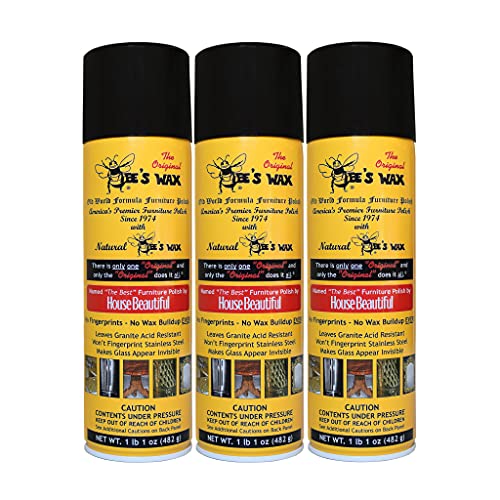
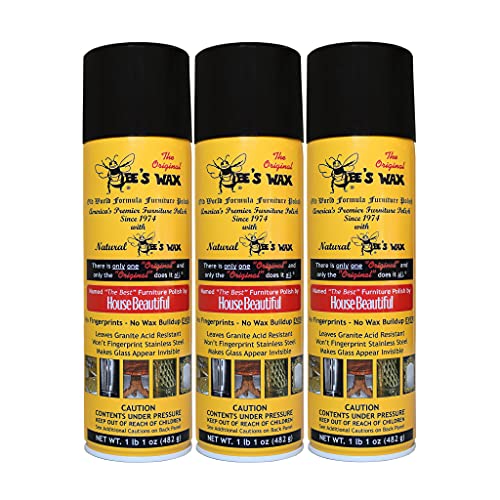
Lastly, if issues still arise, using a furniture polish can help create a less adhesive feel, while maintaining the surface’s luster.
Choosing the Right Paint for Furniture
Always opt for high-quality acrylic or latex blends that provide durability and resistance against wear. These options dry quickly and minimize the risk of remaining tacky after application.
Consider selecting a paint designed specifically for surfaces requiring a smooth finish. Look for products labeled as “furniture” or “cabinet” formulas, as they often contain additives that enhance adhesion and reduce stickiness.
Avoid oil-based paints unless you’re confident in your layering techniques, as they take longer to cure and can remain gooey longer than their water-based counterparts.
Evaluate the sheen level carefully. Satin or eggshell finishes offer a balanced look while maintaining a protective layer that helps prevent damage and enhances durability.
Before committing to a color, always test a small area first. This not only reveals how the hue appears in your space but also checks for possible reactions with previous coatings.
| Type of Paint | Pros | Cons |
|---|---|---|
| Acrylic | Quick drying, easy to clean, low odor | May require sealing for heavy use |
| Latex | Flexible, great color retention, low VOC | Less durable than oil-based options |
| Oil-based | Strong adhesion, very durable | Long drying time, potential for stickiness |
Always prepare surfaces appropriately, ensuring they are clean, sanded, and primed if necessary, which significantly contributes to an even coat and satisfactory finish.
Preparing the Surface Before Painting
Thoroughly clean the item using a solvent like denatured alcohol or a degreaser. This removes dust, oils, and residues that hinder adhesion.
Once cleaned, sand the surface with 120- to 220-grit sandpaper. This creates a smooth texture and enhances paint grip. Pay special attention to any glossy areas.
After sanding, wipe the surface with a damp cloth to eliminate dust particles. Allow it to dry completely before proceeding.
If the wood has imperfections, fill them with a suitable wood filler. Smooth it out after drying to ensure an even surface.
For surfaces previously treated with a finish, consider applying a primer. This not only promotes adhesion but also provides a uniform base for the color to be applied.
Techniques for Applying Paint Evenly
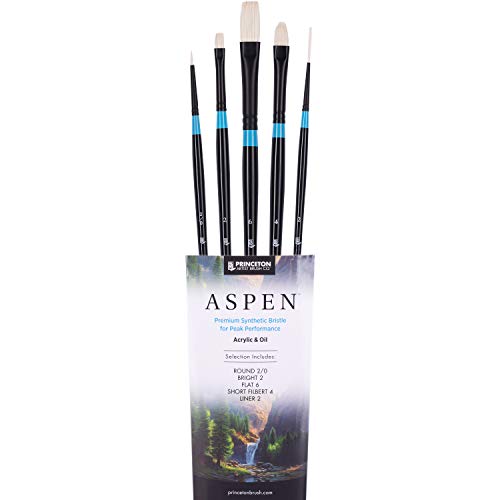
A high-quality finish begins with applying coatings evenly. I recommend using a foam roller or a high-density brush, as these tools provide smooth coverage and reduce streaks. For smaller details, synthetic brushes work beautifully because they hold paint well and create sharp lines.
Thin Layers
Applying multiple thin layers instead of one thick coat is crucial. Each layer should dry completely before adding the next. This not only enhances adhesion but also prevents drips and runs. I usually wait at least two hours between applications, depending on the product instructions and environmental conditions.
Consistency in Technique
Maintaining a consistent technique is key. I move the tool in straight lines and apply gentle pressure, which minimizes the chance of pooling. For larger surfaces, I use a zigzag pattern to cover more ground quickly, then blend with long strokes to smooth out any overlaps. Keeping a wet edge is important; this prevents marks from drying and helps achieve a seamless finish.
Choosing the Best Topcoat to Prevent Stickiness
I recommend opting for a water-based polyurethane topcoat. This type not only dries clear but also forms a robust barrier that resists tackiness. Aim for fast-drying varieties, which can significantly reduce the waiting time and provide better results.
Key Features to Look For
When selecting a topcoat, look for products labeled as “non-yellowing” to ensure your piece maintains its original color over time. Consider matte or satin finishes if you prefer a softer look, as these can also reduce visible fingerprints and smudges.
Application Tips
Apply the topcoat using a high-quality synthetic brush or foam applicator to achieve an even application. Lightly sand between coats with fine-grit sandpaper to improve adhesion and enhance the smoothness of the surface. Typically, two to three coats will yield the best results, allowing each layer to cure fully before proceeding.
Storage Conditions for Curing Painted Furniture
Optimal storage conditions are vital during the curing process of finishes. Maintain a stable environment to ensure thorough hardening and prevent issues.
Temperature and Humidity
- Keep the area between 60-75°F (15-24°C) for best results.
- Avoid extreme temperatures, as fluctuations can delay curing.
- Humidity levels should be around 40-60%. High humidity can lead to a longer drying time.
Adequate Ventilation
- Allow for good airflow to facilitate the evaporation of solvents.
- Adequate ventilation reduces the risk of dust settling on the surface.
- A well-ventilated space can help speed up the drying process without compromising the finish.
Storing items away from direct sunlight is also crucial, as UV rays can interfere with the finish, leading to discoloration and improper curing. Avoid clutter to ensure the pieces are not touching each other or any other surfaces, which might cause sticking during the hardening phase.
Regularly check the pieces for any signs of humidity-related issues, and adjust the storage conditions as necessary, ensuring a smooth and durable surface after the curing period.
Cleaning Methods to Maintain Finish and Prevent Residue
Regularly dust the surface with a microfiber cloth to prevent buildup that can lead to a tacky feel. If deeper cleaning is necessary, use a solution of mild soap and water, applied with a soft cloth. Avoid saturating the cloth; excess moisture can harm the finish.
Appropriate Cleaning Solutions
Use a pH-neutral cleaner or a special product designed for protective coatings. Avoid harsh chemicals or abrasive cleaners as they can damage the topcoat. Always test any cleaner on a hidden area before full application to ensure compatibility.
Drying Techniques
After cleaning, wipe down the surfaces with a dry cloth to remove any remaining moisture. Allow air circulation around the item; consider placing it in a well-ventilated area away from direct sunlight or heat sources to facilitate proper drying.
Solving Common Issues with Sticky Surfaces
If surfaces become tacky after drying, it typically results from inadequate curing. I recommend allowing ample drying time according to the manufacturer’s instructions. High humidity and low temperatures can further hinder this process. A dehumidifier or a fan can enhance airflow, promoting faster drying.
Identifying Incompatibility with Finishes
Using the wrong combination of materials can lead to issues. Verify the compatibility of products before application. For instance, oil-based coatings on top of latex paint can cause stickiness. Testing a small area can prevent larger problems later on.
Dealing with Residue After Curing
If a surface remains tacky even post-drying, it might have been exposed to contaminants such as dust or grease. Gently clean with a soft cloth and mild soap solution, followed by a thorough rinse to remove any residue. Always allow the area to dry completely before reapplying any protective layers.
FAQ:
What causes painted furniture to become sticky?
Painted furniture can become sticky due to various reasons. One common cause is the type of paint used; water-based paints may not cure fully, leading to a tacky finish. Additionally, humidity and temperature changes can affect the drying process. If the furniture is exposed to heat or moisture, the paint may remain soft. Furthermore, dust or oils from hands can settle on the surface and create a sticky feel, especially if the finish is not properly sealed.
How can I prevent my painted furniture from getting sticky?
To prevent stickiness, make sure to use high-quality paint and ensure it cures completely before using the furniture. It’s also helpful to apply a protective topcoat, such as polyurethane or wax, to seal the paint and create a durable barrier. Additionally, consider placing painted furniture in areas with controlled humidity and temperature, as this can prevent moisture-related issues. Regular cleaning with a mild detergent solution can help keep the surface free from oils and dirt, which can contribute to a sticky feel.
What should I do if my painted furniture has already become sticky?
If your furniture has a sticky surface, start by cleaning it gently with a mild soap and water solution to remove any oils or dirt. After cleaning, allow it to dry completely. If the stickiness persists, you may need to lightly sand the surface with fine-grit sandpaper, then reapply a suitable topcoat to seal the paint. Make sure to choose a finish that matches your original paint type. If necessary, repaint the affected areas to restore the furniture’s appearance.
Are there specific products I can use to treat sticky furniture?
Yes, there are several products designed to treat sticky surfaces. A quick fix can be a clear drying furniture polish, which can help reduce stickiness. For a more permanent solution, consider using a quality sealant or topcoat specifically formulated for painted furniture. Look for products that are compatible with your paint type, such as acrylic or oil-based finishes. Additionally, if you are dealing with a particularly tacky surface, a chemical paint remover followed by refinishing may be necessary.


