Caleb Turner
Incorporating a weathered appearance is key to achieving that desired historical aesthetic. I begin by applying a layer of chalk paint, selecting muted tones like sage green or soft beige. Once dry, I gently distress the surface using fine sandpaper to reveal the underlying wood, fostering a sense of age.
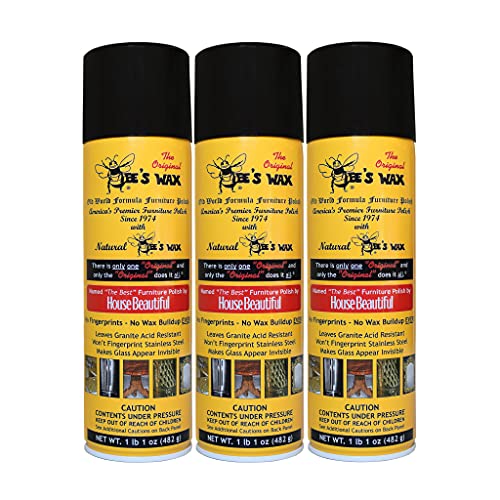
The next step involves enhancing the patina with a dark wax. By applying it carefully with a brush, I ensure that the wax seeps into the grooves and crevices, accentuating details. The result is a beautifully aged finish that invites closer inspection.
To further the illusion of authenticity, accessorizing is essential. Antique hardware, such as knobs and hinges, can be sourced from local markets or online retailers specializing in vintage items. These small touches can transform a seemingly mundane item into a conversation starter.


Lastly, integrating natural elements like a weathered basket or vintage books on a shelf creates balance and narrative within the space. It’s these thoughtful combinations that bring a sense of history and warmth to each piece, evoking nostalgia and timeless elegance.
Choosing the Right Paint for Antiquing
Select a matte or chalk paint for achieving a classic vintage appearance. These types of paints provide a soft finish that mimics the look of aged surfaces. A flat finish helps to avoid a glossy sheen, which is often not characteristic of genuine period pieces.
Colors to Consider
Opt for muted shades such as faded blues, soft greys, or dusty whites. These tones evoke a sense of history and can enhance the character of the piece. Earthy tones like olive green or burnt sienna can also provide that rustic feel.
Application Techniques
Apply paint in thin layers to achieve a worn-in look. Use a dry brush technique, lightly brushing the surface to create uneven patches, or consider using a sponge for a more textured finish. Distressing methods, like sanding down edges after the paint dries, will amplify the antique effect.
Experiment with layering colors for depth. A darker base coat beneath a lighter top coat can result in a visually interesting contrast when distressed properly. Test various combinations on a small area first to find the perfect look.
Always finish with a protective topcoat to seal your work and enhance durability. A matte or satin glaze will not only protect but also maintain the aged aesthetic.
Techniques for Distressing Wooden Surfaces
Use a wire brush to create texture on the wood surface. Lightly scrape areas that would naturally experience wear, such as edges and corners. This adds a sense of history.
Sand specific spots with varying grits to mimic years of use. Start with coarse sandpaper to remove the top layer, then finish with finer grit to smooth transitions.
Apply a technique known as dry brushing. Load a brush with a small amount of paint and apply it lightly. This highlights the details and gives an aged look without overwhelming the original finish.
Utilize a staining method. Choose a darker stain to contrast the base layer, allowing it to seep into the textured areas. Wipe off excess to ensure depth without overwhelming the surface.
Experiment with crackle mediums. Apply a thin layer after the paint dries; it will create a cracked appearance resembling aged wood over time.
Incorporate the use of waxes or glazes. After distressing, a clear or tinted wax can add sheen and protect the surface while highlighting distressed areas.
For an authentic effect, consider adding faux patina. Mixing paint with water, allow it to settle into crevices, enhancing the overall aged appearance.
Finish the process by applying a light coat of clear matte sealer. This protects your work while allowing the depth of color and texture to shine through.
Applying Glaze for an Aged Finish
To achieve a weathered look, I opt for an acrylic glaze that works well with my base coat. I mix a small amount of the glaze with a compatible paint color, usually a deeper shade that contrasts nicely with the underlying layer.
Using a soft-bristle brush, I apply the glaze in sections, ensuring even coverage. It’s essential to work quickly before the glaze dries, allowing for smoother blending. For a distressed effect, I wipe away excess glaze using a clean, dry rag. This step reveals the base color underneath and enhances the depth of the finish.
In areas where I want more shadow, I apply additional layers of glaze, feathering it out to maintain a natural appearance. To add character, I focus on corners and edges, creating an aged patina that mimics years of wear.
Once satisfied with the look, I let the piece dry completely. Afterward, I seal the glaze with a matte or satin topcoat to protect the finish while retaining that vintage aesthetic. Proper sealing ensures durability without sacrificing the antique charm.
Using Stains to Enhance Vintage Character
I recommend choosing a stain that mimics the natural aging process of wood. Opt for shades like walnut, mahogany, or dark oak to achieve a rich, antiqued appearance. It’s crucial to apply the stain evenly; I prefer using a soft cloth or a sponge for this task, ensuring that it penetrates deep into the grain.
Preparation and Application
Before applying stain, surface preparation is key. Sand the piece lightly to remove any existing finish and open up the wood grain. After sanding, clean the surface with a damp cloth to eliminate dust. Apply the chosen stain with long, even strokes, following the direction of the wood grain. Keep an eye on the drying time; wipe off any excess after 5-15 minutes to prevent a blotchy finish.
Layering Techniques
For added depth, consider layering different colors of stain. Start with a lighter base and gradually build up darker tones. This approach creates a more complex visual texture that closely resembles naturally aged wood. Allow each layer to dry thoroughly before applying the next, ensuring a seamless blending of colors. Finish with a clear topcoat to protect the stained surface while enhancing its vintage appeal.
Creating Patina with Wax and Oil
For a genuine aged appearance, applying a mixture of wax and oil is an effective method. I typically use a combination of furniture wax and boiled linseed oil for optimal results. This blend not only nourishes the surface but also creates depth and richness.
Materials Required
| Material | Purpose |
|---|---|
| Furniture Wax | Provides a protective layer and adds luster |
| Boiled Linseed Oil | Enhances color and promotes a warm finish |
| Lint-Free Cloth | For application and buffing |
| Steel Wool (optional) | For achieving a subtle distressed effect |
To begin, ensure the surface is clean and free from dust. Mix equal parts of wax and boiled linseed oil until you achieve a smooth consistency. Apply the mixture evenly across the surface with a lint-free cloth, working in circular motions to avoid streaks. Allow it to penetrate for about 15 minutes before buffing with a clean cloth, bringing out a soft sheen.
For added authenticity, gently rub the surface with fine steel wool after the initial buffing. This step can highlight the natural grain and texture, further enhancing the patina effect.
Repeat this process periodically, as the wax and oil finish will deepen over time, revealing more character and charm in the piece. The key is to create a layered effect that mimics years of use and care.
Incorporating Vintage Hardware for Authenticity
Replace standard knobs and handles with authentic vintage hardware. Seek out flea markets, antique stores, or online marketplaces specifically for aged pieces that match the era you’re replicating.
- Look for materials like brass, wrought iron, or wood that have a history. The patina on these materials tells a story.
- Examine the size and shape of the hardware to ensure functionality while matching the scale and design of the piece.
- Consider using original screws and fasteners to enhance the genuine feel.
Before installation, clean the hardware with vinegar and water to remove grime and dust, preserving the aged appearance.
If you can’t find perfect matches, consider mixing different styles for a more collected look. Combining various pieces adds character and authenticity.
For a finishing touch, add vintage latches or hinges for drawers and doors, enhancing the overall aesthetic while improving functionality.
Lastly, ensure all hardware is securely fastened and in good working condition, as both aesthetics and usability contribute to the piece’s charm.
Reupholstering with Period-Appropriate Fabrics
To enhance vintage appeal, select fabrics that reflect the original design era. Consider the following options:
- Damask: Ideal for Victorian styles, this woven fabric with intricate patterns adds depth and luxury.
- Tapestry: Perfect for ornate pieces, this heavy fabric showcases detailed motifs and provides a regal touch.
- Velvet: Offers a lush appearance suited for Art Deco and Renaissance styles, available in various colors.
- Canvas: A great choice for rustic or farmhouse aesthetics, it brings a warm, textured feel to simpler designs.
- Chintz: With its floral prints, this cotton fabric is reminiscent of Colonial and Georgian styles, contributing brightness to any piece.
Pay attention to colors and patterns; muted tones and classic prints promote authenticity. Patterns should echo the era’s design language, steering clear of modern or overly bold designs that clash with vintage themes.
Before reupholstering, consider the piece’s original structure. It’s important to use materials that maintain its integrity while providing comfort. Opt for high-quality padding to ensure longevity and comfort.
For an even more convincing vintage look, incorporate techniques such as tufting or nailhead trim, commonly seen in period pieces. These elements can enhance the historical accuracy of your chair or sofa.
Lastly, properly finishing the reupholstery with careful seams and skilled craftsmanship will ensure that the end result not only looks authentic but feels substantial and enduring.
Finishing Touches to Complete the Antique Look
Incorporating a few strategic details can elevate the vintage aesthetic significantly. Adding a light coat of fine dusting powder, such as chalk or talcum powder, can enhance the surface texture and create that soft, lived-in feel characteristic of age.
Consider applying soft distressing around edges and corners with light sandpaper to imitate years of use. A gentle touch is crucial, as you don’t want to overdo it–just enough to reveal the wood underneath and hint at a more seasoned finish.
Incorporate vintage textiles, such as lace or embroidered pieces, as decorative accents. Placing a lace runner across a tabletop or draping an old quilt over the back of a chair adds depth and a connection to history.
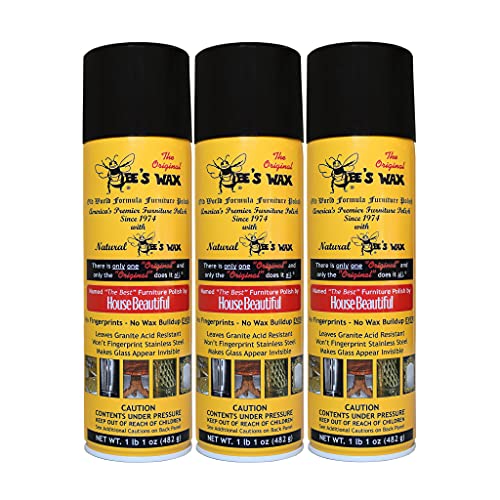
Use natural wax for a subtle sheen after painting or distressing. A soft buff with a clean cloth enhances the color while providing a protective layer that also contributes to the aged appearance.
Adding authentic period lamps or decor pieces can tie the design together. Sources like estate sales or flea markets often have items that can complement your newly transformed piece beautifully.
Finally, consider the ambiance of the surrounding space. It’s worth investing in appropriate lighting. Warm, soft lighting helps create a cozy atmosphere that merges seamlessly with your redesigned treasure.