
 Caleb Turner

Look for high-demand pieces that appeal to specific lifestyles or trends. For instance, mid-century modern items and vintage finds are often sought after by decorating enthusiasts. Research trending styles through online platforms and local marketplaces to identify what sells quickly.
Utilize online marketplaces like Facebook Marketplace and Craigslist to reach potential buyers directly in your community. Take clear, well-lit photos of each piece from multiple angles, highlighting any unique features or imperfections. Craft compelling descriptions that emphasize the character of the item, as consumers are drawn to stories behind their purchases.
Consider the timing of your listings. Seasonal changes can influence buyer interest. For instance, people may seek new home essentials in spring and summer as they move or redecorate. Adjust your listings accordingly to maximize exposure and sales.
Pricing competently is crucial. Check comparable listings in your area to gauge market value, and price items competitively while considering their condition and brand. Be open to negotiation to facilitate quicker sales.


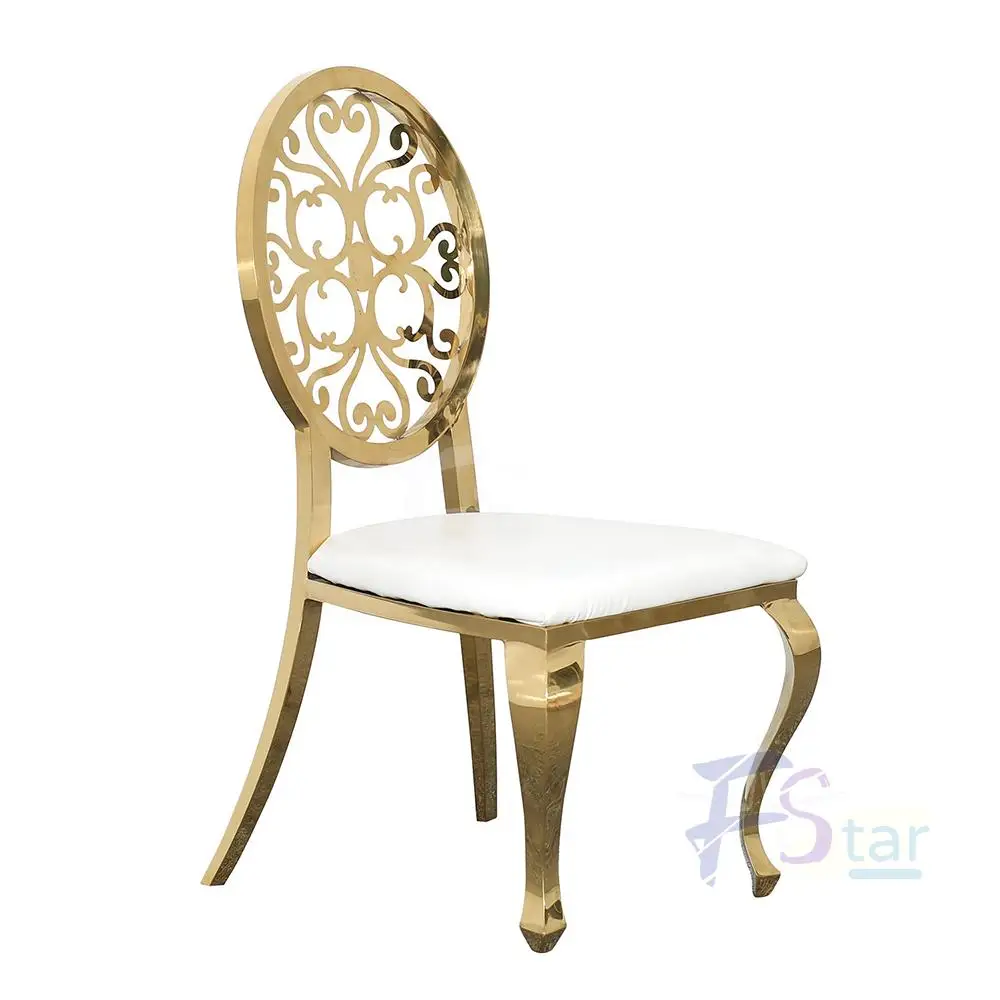
Identifying Valuable Used Furniture Items
Focus on pieces that reflect durability and style. Look for solid wood items, as they often have a better resale value compared to particleboard alternatives. Inspect the construction; dovetail joints and sturdy hinges are indicators of quality. Designs that align with popular home aesthetics, such as mid-century modern or rustic farmhouse, tend to attract buyers.
Timeless pieces from renowned brands also command higher prices. Search for labels like Herman Miller, Stickley, or Knoll. It’s beneficial to research current market trends; certain cycles can drive up demand for specific styles.
Condition plays a significant role in valuation. Minor wear may be acceptable but excessive damage can reduce appeal. Clean each item thoroughly, and consider minor repairs to enhance its look without overspending.
| Feature | Impact on Value |
|---|---|
| Material | Higher for solid wood |
| Brand | Premium for recognized names |
| Design Style | Popular styles increase desirability |
| Condition | Good condition fetches better prices |
| Market Trends | Influences demand significantly |
Verify local demand through online marketplaces and social media groups, where potential buyers often share preferences. Engaging with these communities provides insights into what items are currently sought after.
Tips for Cleaning and Restoring Furniture
Begin with a thorough inspection to identify stains, scratches, or damage. For wood pieces, gentle cleaning with a mixture of mild soap and water works well. Use a soft cloth to avoid scratching the surface.
Removing Stains
- For water stains, try a mix of equal parts of white vinegar and olive oil. Apply with a cloth and buff gently.
- Grease stains can often be treated with baking soda. Sprinkle it on the stain, let it sit, and wipe clean with a damp cloth.
- For ink stains, rubbing alcohol on a cotton ball can be effective. Dab the stain gently, avoiding spreading it further.
Repairing Scratches
- Minor scratches can be concealed using a crayon or a furniture touch-up marker that matches the color.
- For deeper scratches, mix equal parts of vinegar and olive oil to fill the scratch, then buff with a clean cloth.
- Consider using wood filler for gouges, followed by sanding and matching the finish as close as possible.
After cleaning, applying a furniture polish enhances the appearance and provides a protective layer. Follow the manufacturer’s instructions for the best results.
Regular maintenance, like dusting and polishing, keeps pieces looking their best and extends their life. Each restoration effort can significantly increase the perceived value.
Where to List Your Used Furniture for Sale
Choosing the right platforms for your second-hand items significantly impacts your success. I often utilize multiple outlets to reach a broader audience.
- Online Marketplaces: Websites like Craigslist and Facebook Marketplace offer local reach and user-friendly interfaces. Create detailed listings with quality photos and descriptions.
- Specialized Apps: Apps such as Letgo and OfferUp focus solely on resale. They provide an easy way to connect with buyers in your vicinity.
- eBay: For unique or collectible pieces, eBay can attract buyers looking for specific items. Use auction or fixed-price options to engage the audience.
- Local Classifieds: Check your local newspaper’s classifieds or community boards. Sometimes, traditional methods yield surprising results.
- Social Media Groups: Join local buy/sell/trade groups on platforms like Facebook. These communities can be great for niche markets.
Consider timing your posts during peak buying seasons, such as spring or back-to-school periods. This approach enhances your chances of a quick sale.
Network with local interior designers, thrift stores, or charities that might be interested in collaborations; they often seek unique items for their projects or resale.
Additionally, hosting a garage sale enables direct interaction with local buyers, providing an immediate sales opportunity and the chance to negotiate prices.
Experimenting with different venues can help identify what works best for you. Track sales across platforms to refine your strategy. With persistence and the right strategies, I’ve seen great success in moving my items quickly.
Setting Competitive Prices for Your Furniture
I recommend researching similar items in your area to gauge the market rate. Check listings on platforms such as Craigslist, Facebook Marketplace, and OfferUp. Observe how comparable pieces are priced, taking note of their condition and age.
Consider the original purchase price. Generally, a depreciation rate of 50-70% from the original cost can be a reasonable starting point. Adjust your expectations based on current trends and demand for specific styles or brands.
Factors Influencing Pricing
The condition is paramount. Inspect your piece for any signs of damage, wear, or restoration needs that could impact value. Minor repairs can justify a higher asking price, while significant flaws might necessitate a reduction. Historical significance or brand reputation can also enhance value; make sure to highlight these elements in your listing.
Price Flexibility and Negotiation
Set your price with a cushion for negotiation. Listing slightly above your desired selling price allows room for offers. Be open to discussions but have a bottom line in mind. Knowing the lowest amount you’re willing to accept can prevent hasty decisions during negotiations.
Marketing Strategies to Attract Buyers
Utilize social media platforms to showcase your items. Create visually appealing posts with high-quality images and engaging descriptions. Using platforms like Instagram or Facebook Marketplace can help reach a wider audience.
Leverage local community groups and forums. Join neighborhood groups on Facebook or local classifieds. Engaging with your community can create trust and increase visibility.
Invest time in creating compelling listings. Include detailed descriptions, dimensions, and any unique features. Highlight the value and potential uses for the items, appealing to the specific needs of potential buyers.
Host local events or virtual sales. Invite friends or neighbors to view the items in person, or create an online event showcasing your inventory. This creates a sense of urgency and exclusivity.
Collaborate with local businesses or influencers. Partner with thrift shops or interior designers to cross-promote your items. Their established audience can help boost your visibility.
Offer promotions or discounts for referrals. Encourage satisfied customers to refer others to your collection, rewarding them with discounts or special offers.
Utilize email marketing. If you have a list of previous customers or interested buyers, keep them informed about new items or sales through regular newsletters.
Engage with potential buyers promptly. Respond quickly to inquiries and comments. A positive, responsive customer service approach can significantly increase the chances of closing sales.
Handling Inquiries and Negotiating with Buyers
Respond to inquiries as soon as possible. Prompt communication builds trust and keeps potential purchasers engaged. I often provide additional details, such as dimensions or history, to address questions effectively.
When negotiating, establish your lowest acceptable price beforehand. This helps me remain firm while still being open to reasonable offers. I typically start by quoting a slightly higher figure to allow room for adjustment.
Use a friendly yet professional tone during discussions. This approach encourages buyers to feel comfortable and more willing to negotiate. I often emphasize the unique qualities of each piece, highlighting what makes it a worthwhile investment.
If a prospective buyer appears hesitant, I consider offering incentives, like a discount for swift purchase or including a complementary item. This can create urgency and motivate them to commit.
During negotiations, I remain attentive to the buyer’s cues. If they express concerns over price, I engage in dialogue, exploring their budget while reiterating the value of the item. This helps maintain a positive atmosphere and can lead to a satisfactory agreement for both parties.
Finally, if an agreement is reached, I ensure clear communication regarding payment methods and pickup arrangements. This clarity helps prevent misunderstandings and fosters a smoother transaction process.
Managing Delivery and Payment Options
Set clear delivery terms upfront. I typically offer local delivery for a fee or allow buyers to pick up items themselves. For larger pieces, consider using a reliable delivery service to ensure safe transportation.
For payment, I always accept cash, which is straightforward and eliminates transaction fees. Offering digital payment options, such as PayPal or Venmo, increases convenience, especially for online transactions. Make sure to verify funds before the item leaves my possession.
To streamline the process, I use a simple invoice system, detailing the item description, price, and payment terms. This transparency builds trust with buyers and reduces misunderstandings.
For online sales, always confirm the delivery address before dispatching the furniture. For local pickups, I recommend setting a specific time for the exchange to avoid miscommunication.
Using a tracking system can enhance the delivery experience. If I coordinate with a shipping company, I ensure the buyer receives updates regarding their order status.
Prepare for contingencies; it’s wise to have a cancellation policy in place in case of changes in buyer circumstances. This minimizes disputes and clarifies expectations on both sides.


