Caleb Turner

Creating unique pieces can easily transform a passion into a reliable source of income. Starting with reclaimed wood or budget-friendly materials allows for increased profit margins. I recommend sourcing materials from local suppliers or online marketplaces to keep costs low while offering distinctive designs.
Establishing a strong online presence is crucial. Utilizing platforms such as Etsy or Amazon Handmade makes it easy to showcase craftsmanship. High-quality images and detailed descriptions attract potential buyers. Engaging with customers through social media can also enhance visibility and build a loyal following.
Participating in local craft fairs or markets provides an excellent opportunity to connect with the community and gather direct feedback. This interaction can lead to valuable insights for refining designs and understanding customer preferences. Additionally, offering custom pieces can cater to specific client requests and effectively increase sales.


Identifying Profitable Furniture Niches
Target specific needs like small-space solutions. With urban living on the rise, many seek compact and multifunctional pieces. Create items like foldable tables or convertible sofas that maximize utility in tight areas.
Emphasize eco-friendly creations. Sustainable materials resonate with buyers concerned about the environment. Explore options such as reclaimed wood or bamboo to attract this audience.
Explore unique styling trends. Vintage and retro designs are experiencing a revival. Consider producing pieces that blend modern functionality with classic aesthetics, appealing to those who appreciate nostalgia.
Look into custom options. Personalization is in demand. Offering bespoke services allows clients to create tailored pieces that meet their specific tastes and space requirements.
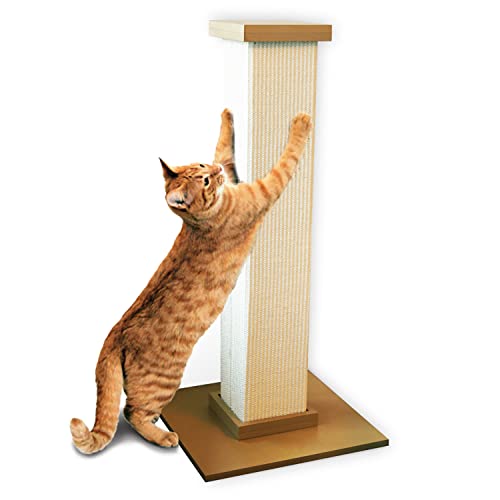
Expand into niche markets like pet-friendly designs. Furniture that accommodates pets, combining durability with style, can attract a growing demographic of pet owners.
Assess online marketplaces for trending items. Research platforms like Etsy to discover popular styles and materials. Identifying what’s performing well can guide your production choices.
Focus on price points that cater to different budgets. Creating a range of products that appeal to both mid-range and luxury demographics maximizes potential customers.
Utilize social media for direct feedback and insights. Listening to potential buyers helps refine your offerings, making sure they align with current desires and preferences.
Consider seasonal trends and occasions. Pieces specifically designed for holidays or events create timely opportunities for sales and customer engagement.
Engage with communities that share interests in home design. Joining online forums or local workshops can provide valuable insights into emerging demands and preferences in this sector.
Essential Tools and Materials for Furniture Crafting
Invest in high-quality tools and materials to enhance the output of your creations. Here’s a concise list to guide you:
Tools
| Tool | Purpose |
|---|---|
| Table Saw | For accurate cuts and dimensions in wood pieces. |
| Jigsaw | Handles intricate cuts and curves efficiently. |
| Router | Used for shaping edges and hollowing out areas. |
| Drill | Essentials for creating holes and inserting screws. |
| Clamps | Hold pieces securely during assembly and drying. |
| Sandpaper | For smoothing surfaces and finishing touches. |
| Measuring Tape | Ensures precise measurements and fitment. |
Materials
Selecting the right materials is crucial for durability and aesthetics. Here are some recommendations:
| Material | Description |
|---|---|
| Hardwood | Oak, maple, and cherry are excellent for furniture due to their strength. |
| Plywood | Versatile and strong; great for larger projects. |
| Particleboard | Cost-effective option for budget-friendly constructions. |
| Finishes | Stains, paints, and lacquers enhance appearance and provide protection. |
| Hardware | Screws, hinges, and knobs are necessary for functionality. |
Setting Up an Efficient Workspace for Production
Choose a spacious area with good ventilation and ample natural light to enhance creativity. I positioned my workbench centrally to allow easy access to tools and materials, minimizing unnecessary movement.
Divide the workspace into distinct zones: a cutting area, assembly zone, and finishing section. This organization streamlines the workflow and reduces clutter. Implement storage solutions like shelves and cabinets to keep tools and supplies organized and within reach.
Invest in a sturdy workbench that can withstand heavy use. Make sure it’s at a comfortable height to avoid fatigue during long hours. Clamps and vises are vital for holding pieces securely while working.
Maintain a clean environment by regularly sweeping and removing debris, which prevents accidents and distractions. I use a magnetic tool holder to keep tools off the work surface and easy to grab.
Incorporate adequate lighting with task lamps focused on key areas. Proper illumination enhances precision and safety. Make sure the workspace is equipped with safety gear, including goggles and ear protection, accessible at all times.
Lastly, a reliable workstation layout contributes significantly to productivity. Experiment with arrangements until you find one that suits your workflow best. Adjusting as needed can lead to improved efficiency and satisfaction.
Pricing Strategies for Handmade Furniture
Set prices by analyzing production costs, materials, and labor. Always include a profit margin of at least 30% on top of the total expenses. Carefully calculate the cost of raw materials, tools, and any additional services. Keep track of both fixed and variable costs for accurate calculations.
Consider the market positioning of your items. Research similar pieces offered by competitors, noting their pricing strategies. Aim to differentiate through quality, design, or customization. Establish a pricing tier that reflects your unique selling points.
- Cost-based pricing: Summarize all costs incurred and add a fixed percentage for profit.
- Value-based pricing: Analyze perceived value to customers. If your creations stand out, increase the price accordingly.
- Competitive pricing: Set prices based on what competitors charge for comparable products.
Don’t overlook the significance of psychological pricing. Pricing at $199 rather than $200 can influence buyer perceptions and increase sales volume. Experiment with price points to find optimal levels for your target audience.
To attract diverse clientele, consider offering various options at different price ranges. This could include basic versions at lower prices and premium versions with added features or materials. Bundling products together can also entice buyers while enhancing the perceived value of individual items.
Regularly reviewing and adjusting prices is vital. Monitor market trends and customer feedback, making necessary changes based on demand fluctuations and production costs. Remember, transparency fosters trust; clearly communicate reasons for price changes to your customers.
Marketing Your Furniture Online and Offline
Leverage social media platforms like Instagram and Pinterest to showcase my creations through high-quality images and engaging content that tells the story behind each piece. Utilizing aesthetically pleasing visuals, I can connect with potential buyers and inspire them to visualize my items in their own spaces.
Establish a dedicated website that serves as an online portfolio and an e-commerce platform. With this site, I can optimize for search engines by using relevant keywords related to handmade woodwork and custom pieces. Adding a blog section can provide value through tips on care, style guides, and trends, driving traffic and establishing authority in the niche.
Engaging with the Community
Participating in local craft fairs and home shows allows direct interaction with potential customers. Setting up an eye-catching booth with clear branding can attract attention. I can offer demonstrations to engage visitors and provide a tactile experience that online shopping cannot replicate.
Building a Network
Collaboration with local interior designers and real estate agents fosters mutual promotion. Creating referral programs with incentives can motivate them to recommend my products to their clients. Engaging in community events and workshops increases visibility while building relationships with potential customers, enhancing brand loyalty.
Building Customer Relationships for Repeat Business
Focus on delivering exceptional service with every interaction. Respond promptly to inquiries and ensure clarity in communication. Personalize your approach by remembering details about previous purchases or preferences. This not only enhances the customer experience but also establishes trust.
Implement follow-up strategies after a sale. A simple thank you note or email not only expresses appreciation but can also invite feedback. This engagement shows that their opinion matters and encourages ongoing dialogue, which can lead to future sales.
Offer loyalty programs or incentives for repeat clients. These can include discounts on future projects or exclusive early access to new designs. Such gestures cultivate brand loyalty and create a sense of belonging.
Leverage social media to foster community. Share behind-the-scenes content, customer stories, and finished pieces. Encourage your clients to share their experiences and tag your brand. This not only showcases your work but also strengthens connections with your audience.
Offer customization options. Allowing customers to have a say in the design process not only enhances their satisfaction but also deepens their investment in the final product. This degree of personalization can lead to recommendations and word-of-mouth referrals.
Network actively. Attend local craft shows or home improvement expos to meet potential buyers face-to-face. Building rapport in person can make a lasting impression and lead to long-term relationships.
Consider implementing a referral program. Reward clients who refer others with discounts or free services. This motivates satisfied customers to spread the word, expanding your customer base while reinforcing loyalty.