Caleb Turner

To achieve a weathered appearance, I recommend using a textured paint technique. Mixing a base color with a lighter or darker shade creates depth. Start with a layer of latex paint for the desired hue and allow it to dry completely. Then, apply a contrasting color using a dry brush technique, lightly dragging the brush across the surface to emphasize edges and details.
For added character, consider distressing the surfaces. Gently scuff areas with sandpaper or a wire brush to reveal the underlying color. Focus on corners and edges where wear would naturally occur. This process invites an authentic, time-worn feel to your synthetic creations.
Finally, sealing with a matte finish will preserve your work while maintaining the rustic aesthetic. A water-based sealant makes application easy and dries clear, ensuring that the unique textures and colors shine through without glossiness. This approach not only revitalizes your pieces but also infuses them with charm and individuality.
Choosing the Right Color Scheme for Rustic Appeal
Select earthy tones such as browns, grays, and muted greens. These shades evoke the essence of nature, enhancing the charm of your pieces. Choose a primary hue, like a warm taupe, as the base, paired with darker accents like charcoal for depth.
Accent Colors
Add accents of rusty red or soft beige to create contrast. Utilize these for hardware or decorative elements. Consider incorporating distressed finishes, which can be achieved through paints or coatings that give the impression of wear over time.


Layering Textures
<p.Layer different shades within the chosen palette. Combine light and dark finishes to create dimension. For example, a light wood-tone topped with a weathered gray brings character and warmth, enhancing the overall aesthetic appeal. Balance is key–ensure that colors complement rather than compete with each other.
Preparing the Surface of Laminate Pieces
I recommend first cleaning the surface thoroughly to eliminate dust and grease. A mixture of mild soap and warm water works effectively for this purpose. Use a soft cloth or sponge to wipe down all areas, ensuring no residue remains.
Next, roughen the surface minimally with fine-grit sandpaper (around 220 grit). This step helps create a better bond for any subsequent treatments or finishes. Lightly sand in a circular motion, paying close attention to edges and corners without overdoing it.
After sanding, clean again to remove any dust particles created in the process. A slightly damp microfiber cloth can be used to gather dust, ensuring a smooth application of paint or stain later.
To achieve a more authentic appearance, consider applying a crackle medium on the surface. This produces a weathered effect that mimics the characteristics of older materials. Follow the manufacturer’s instructions for the best results.
Finally, assess the surface for any imperfections or scratches. Filling these with wood filler can enhance the texture and overall appearance. Once dried, sand the filled areas lightly for a seamless finish.
Using Paint Techniques to Create a Weathered Look
For achieving a timeworn aesthetic, I recommend using a dry brush technique. Start with a base color that mimics aged wood, such as a soft gray or beige. Dip a paintbrush into the paint, then wipe off most of it on a rag, leaving only a slight amount on the bristles. Lightly drag the brush across the surface, allowing the underlying layer to show through. This method gives a subtle, weather-beaten effect.
Another method is the layering technique. Apply a base coat of a darker shade, such as deep brown or charcoal. Once dried, use a lighter color, like a creamy white, and apply it with a sponge or brush. After the lighter layer dries completely, gently sand some areas to reveal the darker color underneath. This adds depth and dimension to the finish.
For those who want more texture, I suggest using a stipple technique. Use a stiff brush to dab a lighter, contrasting paint over the surface. This simulates the appearance of aging and wear. Experiment with varying pressure and direction to create natural imperfections.
To enhance the aged appearance, consider adding a glaze. Mix a clear glaze with a tiny amount of burnt umber or walnut paint. Apply it over the painted surface and wipe it off with a cloth, allowing it to settle into the crevices. This step adds a sense of depth and increases the visual warmth.
Finally, don’t forget about distressing. After painting, gently knock the edges with a hammer or scrape with a utility knife to mimic wear and tear over time. Focus on high-contact areas like corners or handles, reinforcing the illusion of authentic age.
Applying Staining Methods for Enhanced Texture
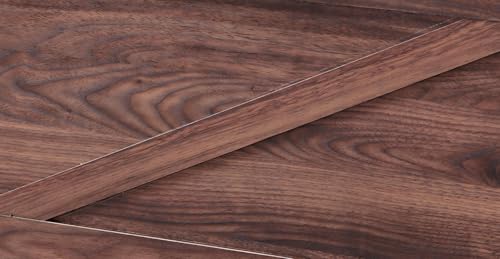
To achieve a truly authentic finish, I recommend using a water-based stain for its ease of application and clean-up. Begin by selecting a stain with a transparent quality to highlight the underlying patterns.
Before applying, I ensure the surface is clean and dry. Using a brush or foam applicator, I apply the stain evenly, working in small sections. It’s crucial to follow the wood grain for a natural appearance. I typically allow the stain to sit for 5-10 minutes before wiping off the excess with a lint-free cloth. This step enhances texture and depth.
If I aim for a more pronounced rustic feel, I might layer different shades. After the first stain dries, I can apply a darker tone or mix two colors to create a unique effect. Testing combinations on a small area or scrap piece beforehand is always a good practice.
To further enhance texture, using a sanding block after staining can create a distressed look. Lightly distressing the edges and corners will give a more weathered appearance. Applying a topcoat, such as a clear matte finish, protects the stained surface while maintaining the desired aesthetic.
For those looking for a unique twist, I sometimes incorporate a fabric-staining technique. By using an old cloth soaked in stain, I can dab or rub it onto the surface, which creates a distinct, hand-applied finish similar to oil-rubbed wood.
Incorporating Distressing Tools for Authenticity
Utilizing a variety of distressing tools can infuse genuine character into your project. Start with manual sandpaper or a sanding block to create worn edges and surfaces. Choose a rough grit (around 80-120) for initial distressing, followed by finer grits (220) for smoothing the finish without removing the character.
Enhancing Texture with Specific Tools
- Hammer: Lightly tap areas to create dents and dings that mimic age and wear.
- Screwdriver: Use the end to scratch or create deeper grooves, simulating years of use.
- Wire Brush: Perfect for removing some of the top layer and adding depth, particularly if you aim for an aged wood appearance.
Creating Layered Effects
Incorporate a two-step process using multiple tools. Begin with a coarse tool to create significant marks, followed by finer tools for detail work. This layering technique enhances realism.
After distressing, consider using a damp cloth to remove any dust. This ensures that any subsequent treatments adhere properly and showcases the created textures effectively.
Results are amplified by experimenting with various tools and techniques. Every small mark contributes to the authentic look of an age-old piece, making it entirely unique.
Finishing Touches: Sealing and Protecting Your Rustic Furniture
Using a high-quality sealant is crucial. I recommend polyurethane or varathane for a durable finish. Apply at least two coats to ensure maximum protection. Begin by choosing a water-based option for a clear finish that won’t alter the color you’ve applied.
Application Techniques
Employ a foam brush or a clean cloth for application, moving in the direction of the grain. Allow sufficient drying time as indicated on the product label between coats. This step enhances durability and helps retain the weathered appearance achieved through previous techniques.
Additional Protection
Consider adding a layer of wax for extra sheen and protection. Natural beeswax or a furniture wax can create a soft luster and provide a barrier against scratches. Use a soft cloth to buff well after application, ensuring the wax is evenly distributed.
Finally, always allow your creation to cure for a few days in a well-ventilated area before use. This wait ensures that all finishes fully set and obtain optimal durability against daily wear and tear.
Accessorizing Furniture to Enhance the Rustic Aesthetic
Introduce a variety of decorative items that embody the charm of nature. Incorporate wooden crates, burlap, and wicker baskets to create a cohesive look. Each item adds texture and character, promoting an inviting atmosphere.
- Textiles: Select cushions and throws made from natural fibers like cotton and linen. Opt for earthy tones or plaid patterns to reinforce the desired look.
- Accent Pieces: Incorporate aged metal or antique ceramic vases. Fill them with wildflowers or dried branches for authenticity.
- Lighting: Utilize vintage-style light fixtures. Consider wrought iron chandeliers or lanterns for a warm glow that complements the aesthetic.
Layer different materials to create depth. Place wooden serving trays or cutting boards on surfaces to break the monotony. Introduce green plants in terracotta pots for a refreshing touch.
- Collect various frames in distressed finishes to display photographs or artwork that resonate with rustic themes.
- Add an area rug with a well-worn appearance to ground the space and provide comfort.
- Incorporate wall decor featuring nature scenes or wildlife to enhance the organic feel.
Consider using colored glass or stormy blues in accent items like candle holders or picture frames to introduce soft hues while maintaining an earthy vibe.
Prioritize functionality alongside aesthetics. Items like handmade wooden bowls or artisan pottery can serve as both decor and practical storage solutions.
Maintenance Tips for Long-lasting Rustic Charm
Regular cleaning is key. I use a soft, damp cloth to wipe surfaces, ensuring that no excess moisture lingers, as it can cause damage over time. For tougher stains, a mild soap solution works wonders without scratching the finish.
Care for the Finish
Avoid using abrasive cleaners or pads. Instead, I opt for natural oils, like lemon or olive oil, to nourish and protect the surface. Applying these oils every few months helps retain the rustic appearance while providing a protective barrier.
Temperature and Humidity Control
Maintaining stable indoor conditions extends the life of your pieces. I keep them away from direct sunlight and heat sources, as fluctuations can warp or fade the materials. A humidity level between 30-50% is ideal. I use a dehumidifier or humidifier as needed to achieve this balance.