Caleb Turner

Using simple materials such as cardboard, fabric, or repurposed items can yield stunning results. I’ve crafted pieces that serve both aesthetic and functional purposes without the need for traditional construction implements.
Start by exploring your existing possessions for potential transformations. For instance, old crates can effortlessly become stylish coffee tables or shelves with a few alterations. A coat of paint can add a fresh vibe, while fabric can be wrapped around supports to create personalized seating solutions.


Utilizing specific bonding agents can enhance the durability of your creations. adhesives designed for various surfaces may provide the stability needed for your designs, ensuring they stand the test of time while remaining visually appealing. Prioritize safety and always ensure a well-ventilated workspace for handling these materials.
Documentation through photos and notes during the process can help in refining techniques for future endeavors. This not only preserves your methods but also inspires creativity for your next project.
Creating Innovative Items with Minimal Resources
Begin by utilizing cardboard; it’s versatile and easy to manipulate. Cut it into desired shapes and assemble pieces with adhesive. Consider layers for strength.
Recycling Materials
Old pallets, crates, and even outdated shelving can serve as a foundation for new designs. Sanding the surface will enhance the look while maintaining safety.
- Look for free wooden pallets online or in local stores.
- Disassemble and rearrange for custom dimensions.
- Coat with paint or stain for aesthetic appeal.
Ingenious Joining Methods
Instead of traditional fasteners, use tension. Twine, rope, or even strong string can hold components together. This approach adds a rustic charm.
- Thoroughly clean all surfaces before assembly.
- Cut lengths of twine to the appropriate size.
- Tie securely at joints, ensuring stability.
Consider fabric as well–old jeans or curtains can be transformed into cushions. Stuff with leftover material to add comfort and character.
Choosing Materials for Tool-Free Furniture
For creating assembly-free pieces, I prioritize plywood due to its durability and flexibility. This material allows for intricate designs while maintaining strength. I often choose engineered wood, which provides uniformity and is less prone to warping compared to solid options.
Another favorite is bamboo. Not only is it sustainable, but its lightness and sturdiness make it ideal for various constructs. I appreciate the natural aesthetic it brings, enhancing the overall appeal of my designs.
Corrugated cardboard can serve as an innovative alternative for lightweight items. Its structural properties allow for creative shapes, and I usually coat it for enhanced durability.
I also focus on fabric-based materials, such as canvas or upholstery foam. These can be combined to create unique and comfortable designs, providing an inviting touch to each piece.
Reclaimed wood is another excellent option. I enjoy sourcing pieces with history, as they offer character and charm, turning what could be waste into beautiful designs.
When selecting adhesives, I opt for high-quality options that ensure stability. For joints, I consider specific interlocking mechanisms, which allow for easy assembly without compromising strength.
In summary, I find that selecting the right combination of these materials enables me to create personal, functional, and aesthetically pleasing items that stand out while remaining versatile for various needs.
Designing Functional Furniture Pieces
Prioritize simplicity in your designs. Focus on geometric shapes that are inherently stable, like squares or rectangles. They are easier to assemble using friction or interlocking methods.
Consider modularity; pieces that can be rearranged or expanded are versatile. A unit that transforms from a chair to a step stool provides both utility and adaptability. Design for different uses to maximize functionality.
Incorporate adjustable elements. Items like shelves or tables with varying heights can cater to diverse needs. Adjustable features not only optimize space but also enhance user comfort.
Explore joinery techniques such as dowels, biscuit joints, or even folding mechanisms. Each method offers sturdiness while allowing for disassembly without fasteners, making assembly and transport much simpler.
Integrate storage solutions creatively. Hidden compartments or multifunctional designs, like benches with internal storage, can help keep spaces tidy while offering additional functionality.
Pay attention to ergonomics. Creating seats or surfaces at appropriate heights will promote comfort and usability. The right proportions ensure that users will appreciate the functionality of the design.
Lastly, balance aesthetics with practicality. Choose sleek lines and finishes that please the eye but remain durable for frequent use. Combining form with function not only appeals to the user but also enhances the overall experience.
Techniques for Joining Materials Without Tools
I recommend employing the following methods for securely binding materials together:
- Interlocking Joints: Create shapes that interlock. For example, notches can be cut into wood pieces, allowing them to fit tightly together without additional fasteners.
- Nature’s Adhesives: Utilize natural adhesives like tree sap for a strong bond. Apply sap between surfaces and press them together until set.
- Twisting and Tying: Use durable rope or twine to bind elements. Wrap them tightly around joints, then tie securely. This method works well for various materials.
- Compression Fit: Design components that fit snugly into one another. Make parts slightly oversized to increase friction, ensuring they stay together without additional support.
- Magnetic Connections: Incorporate magnets between surfaces if the materials allow. This can create a removable yet sturdy bond, ideal for modular designs.
- Heat Expansion: For materials sensitive to heat, consider using a heat source to slightly expand one part, allowing it to fit into another. Once cooled, it will contract and hold tightly.
Choose combinations of these techniques based on your materials and design goals for maximum stability and functionality.
Step-by-Step Guide to Building a Chair
Begin with selecting stable and comfortable materials like plywood or cardboard, ensuring durability. Choose the dimensions of the chair based on your personal height and preferences. Standard height for a seat is typically 18 inches from the ground.
Next, cut the pieces to form the base, four legs, and a backrest. A simple configuration could include a seat square (about 18×18 inches), four vertical legs (around 18 inches long), and a backrest piece (24×6 inches). If cutting is needed, a sturdy blade can be utilized.
For assembly, align the legs to each corner of the seat square. By using adhesive or interlocking joints, secure the legs firmly using a strong adhesive, allowing adequate drying time. This ensures a solid base.
The backrest can be attached to the rear legs, creating a supportive angle. Again, adhesive works well here, but consider a snug fit for added strength. Ensure everything is aligned properly before the glue sets.
To reinforce stability, consider adding cross braces between the legs. These can be small blocks of material, positioned diagonally. Secure them using the same adhesive and allow to dry thoroughly.
| Part | Dimensions | Quantity |
|---|---|---|
| Seat | 18×18 inches | 1 |
| Legs | 18 inches long | 4 |
| Backrest | 24×6 inches | 1 |
| Cross Braces | As needed | 4 (optional) |
Once all pieces are attached and the adhesive has cured, inspect for any weak points. If needed, strengthen joints with additional material or adhesive.
Finally, consider finishing touches like sanding edges for comfort and aesthetics. If desired, paint or varnish can be applied for a personalized look.
Creating a Table Using Alternative Methods
I recommend using a combination of sturdy boxes and thick wooden planks to construct a reliable surface. Select boxes of equal height to ensure stability. Arrange them in a rectangular formation, stacking them securely, then lay the wooden planks across the top to form a tabletop. This configuration allows for an easy assembly process.
Stabilizing the Structure
<p.To reinforce the setup, use heavy items such as books or bricks inside the boxes to prevent them from shifting. Additionally, you can secure the wooden planks using twine or durable rope, tying them to the boxes on either end. This creates a solid bond and eliminates any wobbling, ensuring the surface remains level during use.
Finishing Touches
<p.For aesthetics, consider covering the wooden planks with a decorative tablecloth or painting the boxes to match your interior décor. This not only enhances the appearance but also protects the surfaces from wear and tear. Use adhesive or double-sided tape if you wish to affix the covering securely.
Finishing Touches: Painting and Staining Without Tools
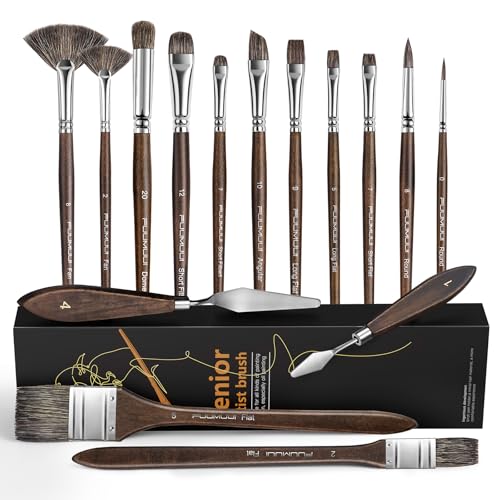
I recommend using brushes or sponges to apply paint or stain evenly. Natural bristle brushes work well for oil-based products, while synthetic brushes are ideal for water-based options. For large surfaces, consider using a foam roller for a smooth finish.
To prepare surfaces, clean them thoroughly with a damp cloth and allow adequate drying time. For staining, it’s beneficial to use a pre-stain conditioner, especially on softwoods, to ensure even absorption and enhance the final look.
For a rustic appearance, I prefer using a rag to apply stain. This method allows for better control over the depth of color. Wipe off excess stain with a clean cloth, and let it dry completely before applying a top coat.
When working with paint, I often choose a primer to improve adhesion and durability, especially on porous surfaces. After priming, I apply the paint in thin layers, allowing each coat to dry before adding the next one, which reduces drips and streaks.
For a protective layer, I recommend using clear finishes like polyurethane or wax. A brush or cloth can help achieve a smooth application. Remember, proper ventilation is crucial when working with these substances to avoid inhaling fumes.
If experimenting with colors, mix small amounts of paint in a container to test the shade before applying it to the entire piece. This approach saves time and materials, ensuring satisfaction with the final results.
Lastly, patience is key. Allow ample drying time between coats, and consider lightly sanding between layers for a flawless finish. Taking these steps will enhance the aesthetic and longevity of your project.
Safety Tips for Hand-Built Projects
Always wear protective eyewear to shield your eyes from dust and debris. Suitable attire includes snug-fitting clothing with no loose parts that could get caught during assembly. Using gloves protects your hands from cuts or splinters, especially when handling sharp edges or rough materials.
Workspace Organization
A well-organized area reduces the risk of accidents. Keep frequently used items within reach and ensure pathways are clear. Dispose of waste materials properly to prevent trip hazards.
Material Handling
Handle all components with care. Lift heavier pieces properly to avoid strain. Utilize proper body mechanics: bend your knees, keep your back straight, and lift with your legs. Being mindful of your posture reduces the risk of injury.
FAQ:
What materials can I use to make furniture without tools?
You can use a variety of materials to create furniture without tools. Common options include cardboard, which is lightweight and easy to manipulate; wooden pallets, which can be disassembled and reconfigured; and plastic containers, which can be stacked or combined to form shelves or tables. Other alternatives may include fabric or cloth for soft furniture items like cushions, and even repurposed items like crates or boxes that can be creatively arranged.
Are there any specific designs recommended for tool-free furniture making?
Yes, several designs work particularly well for making furniture without tools. For example, a simple bench can be made using stacked crates or pallets arranged in a stable configuration. A coffee table can be created by placing a sturdy piece of wood on top of various objects for support. Additionally, modular furniture designs allow for easy assembly and disassembly, which can be advantageous when no tools are involved. Look for designs that emphasize stability and simplicity.
Can I find resources or guides to help me with making furniture without tools?
Absolutely! Many online resources provide guides, instructions, and even PDFs on making furniture without tools. Websites dedicated to DIY projects, crafting, and upcycling often include free downloadable materials that outline various furniture designs. Additionally, video platforms feature tutorials that demonstrate the process step-by-step, making it easier to visualize the construction without the use of tools.
What are the benefits of making furniture without tools?
Making furniture without tools can be beneficial for several reasons. First, it allows for greater accessibility, especially for those who may not own or want to use traditional tools. Second, it encourages creativity and resourcefulness, as you explore various materials and designs. Furthermore, this approach can reduce costs associated with purchasing tools and equipment while also providing an eco-friendly alternative by using recycled or repurposed items. Lastly, it can be a fun and fulfilling way to engage with crafting and design.
Is it safe to make furniture without any tools?
Yes, creating furniture without tools can be safe as long as proper precautions are taken. When using materials like cardboard or fabric, the risk of injury is minimal. For heavier items such as wooden pallets, be cautious about stability and weight distribution. Always ensure that the materials are secure and firm to avoid accidents. Additionally, make sure to handle any sharp edges or components carefully to prevent cuts or other injuries. Always prioritize safety while working on your projects.
Is it possible to make furniture without any tools, and what materials do I need?
Yes, it is indeed possible to create furniture without traditional tools. You can use materials like cardboard, pallets, or even reclaimed wood. For instance, cardboard can be shaped and glued to form sturdy furniture pieces. Pallets, on the other hand, can be disassembled by hand for crafting tables or benches. Other materials include fabric and upholstery for soft furnishings. Fastening methods like strong adhesive, ties, or even clothing items can be utilized to hold the furniture together without the need for screws or nails.
What types of furniture can I create without using tools, and how long will it take?
There are several types of furniture you can craft without tools, including simple chairs, tables, and storage solutions. For example, a basic cardboard chair can take around 1-2 hours to construct depending on the design complexity. A pallet coffee table may take a bit longer, around 2-4 hours, especially if you’re planning to sand or paint it by hand. Utilizing materials that already come in a manageable form can reduce the assembly time significantly. Overall, the amount of time will vary based on the type of furniture and your experience level with material manipulation.