
 Caleb Turner
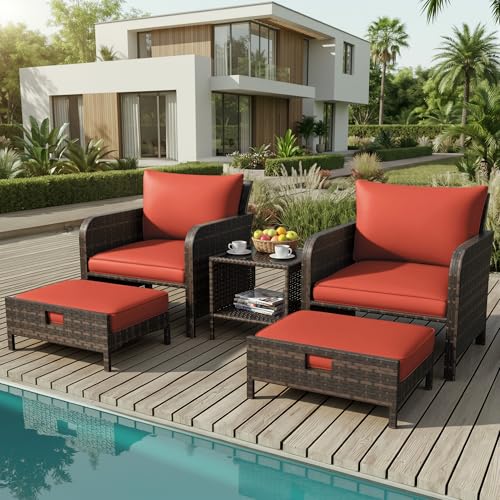
Implementing a lighter color palette is a game changer. Soft hues like pastels or whites on walls can create an illusion of airiness, countering the heftiness of substantial pieces. Arrange your items against these shades to amplify the effect of spaciousness.
Utilizing reflective surfaces plays a crucial role in enhancing your environment. Mirrors and glass accents can bounce light, making the area seem more expansive. Position a large mirror strategically opposite a window to maximize natural light, thus visually diminishing the weight of overwhelming objects.
Incorporating multi-functional items adds practicality without cluttering the space. For instance, an ottoman with storage can replace a cumbersome coffee table, streamlining the overall appearance. It’s an optimal way to combine style and functionality.


Consider your layout with great care. Creating open pathways and avoiding overcrowding ensures that the presence of significant objects doesn’t dominate the room. Float larger items away from walls, giving them space to breathe and maintaining visual balance.
Strategies for Reducing Perceived Size of Large Items
Incorporate lighter tones in your space. Choose color palettes that reflect light, offering an airy feel. Soft pastels or neutral shades can enhance the surroundings, making massive pieces seem less imposing.
Utilize Multi-functional Pieces
Select items that serve dual purposes. For instance, an ottoman that doubles as storage reduces clutter and visually lightens the environment, contributing to an impression of spaciousness.
Opt for Minimalistic Decor
Maintain a streamlined environment by avoiding excessive decor. Keep accessories to a minimum; this allows larger items to blend more seamlessly into the background rather than dominate the room’s aesthetic.
Choose Lighter Colors for Bulky Pieces
Opt for shades like soft whites, light greys, or gentle pastels when selecting oversized items. These hues create an airy effect, reducing the perception of mass.
Accentuate your space by coordinating the light colors with complementary wall tones. Light walls enhance the slim appearance of heavier items, blending rather than contrasting sharply.
Selecting finishes such as matte or satin can further diminish prominence. Glossy surfaces reflect more light, drawing attention and potentially increasing perceived heft.
Incorporating textures like linen or soft velvets in lighter shades can add visual interest while maintaining a delicate feel that counteracts bulkiness.
Consider adding subtle patterns, such as pinstripes or small florals, which will help to break up solid expanses without overwhelming the eye or adding to visual weight.
Utilizing lighter colors can transform the atmosphere, creating an illusion of openness and spaciousness in any room. Keep in mind that cohesive color schemes will amplify this effect, promoting harmony throughout the space.
Opt for Slimmer Furniture Legs and Bases
Choosing slender legs and bases is an immediate way to bring a lighter aesthetic to bulky items. Thin, tapered legs create an illusion of space, enhancing the visual flow of a room. Instead of heavy, solid bases, I recommend options like metal or wood with a minimalist profile.
Materials also play a significant role. Light metals, such as aluminum or stainless steel, are excellent choices due to their sleek appearance. They contrast well with substantial upholstery, making the whole piece feel airier. Wooden legs with a natural finish can add warmth while keeping the overall look streamlined.
Consider height as well; furniture that sits higher off the ground allows for more visible floor space underneath, which helps to create a sense of openness. A well-designed coffee table with long, slim legs can perform this function beautifully.
For a practical approach, here’s a table summarizing various leg and base options based on style and aesthetic impact:
| Material | Style | Aesthetic Impact |
|---|---|---|
| Metal | Tapered | Modern, Airy |
| Wood | Slim, Natural Finish | Warm, Grounded |
| Plastic | Curved | Playful, Lightweight |
Incorporating these elements not only minimizes the visual weight of large pieces, but also creates a harmonious balance with surrounding decor. Selecting items that focus on elegance through simplicity transforms the perception of space in any room.
Incorporate Mirrors to Create Depth
Utilizing mirrors is a straightforward tactic to enhance spatial perception within a room. Placement of mirrors opposite windows or sources of natural light amplifies brightness and creates an illusion of extended space.
Strategic Placement
Position mirrors at eye level to maximize their reflective properties. This ensures that they capture both light and surrounding elements, making the area seem less cramped. Consider wall-mounted designs to save floor space or mirrored furniture that cleverly combines function with style.
Layering Effects
Using multiple mirrors can add layers to your decor. A collage of different sizes and shapes can distract from heavier elements, creating a more dynamic visual interest while subtly downplaying their weightiness. For best results, choose mirrors with thin frames to prevent them from appearing too bulky themselves.
- Select mirrored pieces that reflect colors from adjacent walls to unify the room’s color palette.
- Avoid large, ornate mirror frames that draw attention; opt for sleek designs instead.
- Incorporate mirrors into other decor, such as behind shelves or as a backdrop for artwork.
Utilize Vertical Lines in Decor
Incorporating vertical lines into your space can drastically transform the perception of massiveness in oversized items. I recommend using tall bookshelves, vertical artwork, or elongated wall decals to draw the eye upward, creating a sense of height and spaciousness. This technique diverts attention from the volume of the larger pieces.
Vertical Patterns
Choose fabrics and wallpapers that feature vertical stripes or patterns. This not only enhances the verticality of the room but also aids in achieving an illusion of expanded height, making substantial pieces feel less imposing. Consider curtains with vertical designs that flow toward the ceiling.
Furniture Arrangement
Place tall accessories, such as floor lamps or indoor plants, near substantial items. The contrast in scale can alter perception, visually breaking up the heaviness. Align shelves or cabinetry along walls rather than in the center, which reinforces height rather than horizontal spread.
Use Layered Textures to Soften the Look
Incorporating various textures can significantly influence the perception of size in a space. I recommend using soft fabrics like velvet, linen, or cotton for throws and cushions. These materials create a relaxed atmosphere and can obscure the heaviness of larger pieces.
Mix and Match
Layering several textures enhances depth. Combine woven throws with smooth cushions or pair a chunky knit blanket with sleek, shiny pillows. This contrast not only increases visual interest but also draws the eye away from the heft of the main item.
Ground with Natural Elements
Incorporate natural materials like jute or sisal rugs underfoot. Such textures ground the space, providing a lighter feel. A textural contrast between a soft rug and a firmer seating piece can create a harmonious balance, making the latter feel less imposing.
Strategically Place Smaller Accessories Around
Incorporating smaller decor elements can diminish the emphasis on massive items in your space. Begin by selecting a few eye-catching accessories that contrast in size. Think of items like vases, sculptures, or framed artwork that can draw the viewer’s gaze away from larger pieces.
Layering and Grouping
Arrange accessories in groups rather than scattering them randomly. Cluster items of varying heights to create visual interest and depth. For instance, placing a series of small candles on a coffee table alongside a larger centerpiece can balance proportions effectively.
Choose Translucent or Light Materials
Utilize materials such as glass or acrylic for smaller accents. These elements do not overpower the surrounding area and contribute to an airy feel. Transparent or lightly colored items help maintain an open atmosphere, making the overall space seem less congested.


