Caleb Turner
Gather raw material during late spring or early summer for the best quality. Look for trees that show healthy growth and have thin, flexible layers. Cut gently to minimize damage, ensuring the tree can recover and continue to thrive.
Once you’ve collected the layers, allow them to dry thoroughly to prevent mold and rotting. Store them in a cool, shaded area. Ensure proper airflow around the material to maintain its integrity. You can roll or stack them, but avoid crushing to keep the natural texture intact.
Start by collecting tools. A sharp knife for cutting, natural adhesives for bonding, and clamps or weights to hold pieces together while they set are essential. Consider using non-toxic finishes for treatments to maintain a natural appearance and ensure safety if used in living spaces.
When constructing your design, think about layering the material for added strength. Combining different textures can create depth and interest. Use simple techniques to join pieces, like folding, overlapping, or weaving, which also enhances durability.


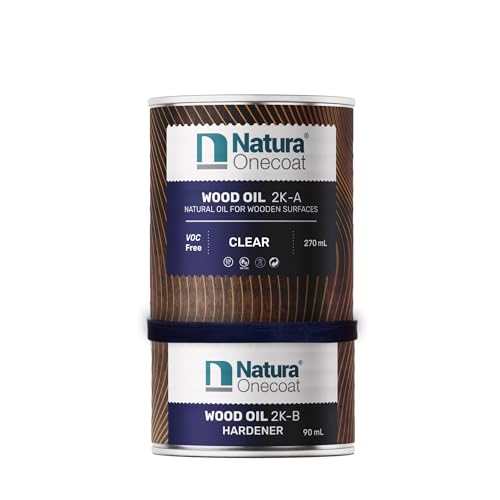
Your craftsmanship will shine through with attention to detail. Pay close attention to joints and edges, ensuring they are smooth and visually appealing. Finish with a protective treatment, such as a natural oil, to enhance the look and provide longevity.
Selecting the Right Birch Bark
Look for material harvested in spring, when the tree is full of moisture, making it easier to peel and work with. Choose sections without blemishes, tears, or discoloration to ensure longevity. A smooth surface will enhance the aesthetic and durability of the pieces.
Assessing Color and Thickness
Light-colored layers often indicate freshness and pliability. Thicker sections provide strength, while thinner ones offer flexibility. Consider a balance between the two for specific projects. Sunlight-exposed areas may add richness, so a mix enhances visual interest.
Harvesting Techniques
Gently peel away layers to minimize damage to the tree’s health. Use a sharp knife or your hands to carefully detach the material. Ensure that you only harvest from trees with ample bark; this promotes sustainability and ongoing growth for the trees.
Preparing Birch Bark for Use
Thoroughly cleanse the selected outer covering under running water. Remove any dirt, debris, or residual flora. Utilize a soft cloth or sponge for gentle scrubbing, ensuring not to damage the surface.
After cleaning, air-dry the material flat. This prevents warping and maintains its natural texture. Avoid exposure to direct sunlight, as this may cause fading or brittleness.
Once dry, carefully trim any rough edges or irregularities using sharp scissors. This helps in achieving a neat finish for your craft.
To further enhance flexibility, soak the slice in warm water for several minutes. This step is crucial for projects requiring molding or shaping. Monitor the soaking time to avoid excessive saturation.
After soaking, remove the material and gently pat it dry with a towel. Keep it slightly damp for a while, as this aids in the subsequent working process.
Consider applying a natural sealant, such as beeswax or linseed oil, after your project is complete. This will protect the artwork from moisture damage and prolong its lifespan.
Regularly check stored slices for any signs of mold or decay. Maintain a cool, dry storage environment to preserve quality.
Basic Tools Needed for Construction
For crafting items from tree skin, I rely on the following tools:
- Sharp Knife: Effective for cutting and shaping the material accurately.
- Scissors: Handy for making smaller, intricate cuts.
- Cutting Board: Provides a stable surface for precision work and protects my workspace.
- Awl: Useful for making holes for sewing or attaching pieces together.
- Thread: I choose strong, weather-resistant thread to join parts securely.
- Clips or Clothespins: These keep layers aligned while the adhesive sets or the stitching is completed.
- Measuring Tape: Essential for checking dimensions and ensuring accuracy in my designs.
- Wood Glue: I opt for a high-quality adhesive to bond components effectively.
- Sandpaper: For smoothing any rough edges and ensuring a polished finish on the final product.
These tools form the backbone of my design process, making every step more efficient and precise.
Creating a Simple Birch Bark Chair Design
For a straightforward seating solution, I focus on a stool-style chair design that requires minimal materials. First, I gather sturdy wooden legs, approximately 1 inch in diameter, cut to a height of 18 inches. These serve as the foundation.
Next, I form a seat platform using a piece of plywood, cut into a circular shape with a diameter of 16 inches. Ensuring its surface is smooth is crucial, as it forms the base for the outer layer.
To apply the outer covering, I cut strips from selected tree sheaths, each about 3 inches wide. I overlap these strips around the circular platform, securing them with a staple gun, providing a snug fit. This method creates a visually appealing texture while enhancing durability.
To assemble the legs, I drill holes into the corners of the plywood base and insert each leg, firmly adhering them with wood glue and screws. Ensuring a tight connection is vital to maintaining stability.
For added aesthetics, I finish the outer layer using a non-toxic sealant to preserve the natural look and protect it from moisture. This brings out the unique patterns while maintaining integrity over time.
Finally, I allow the chair to dry completely before using it. This simple design serves as an effective blend of nature and craftsmanship, creating a functional piece that showcases the beauty of natural materials.
Techniques for Joining Birch Bark Pieces
I recommend using natural adhesive derived from tree sap for a strong bond between sections. Apply it generously on the edges of each piece and press them together firmly for a secure fit.
An alternative method involves sewing. Utilize strong, thin thread made from animal sinew or synthetic materials. This technique allows for flexibility and durability; make small, tight stitches that will hold the segments together.
Incorporating wooden dowels is another effective approach. Drill small holes through the overlapping parts of the material, insert the dowels, and secure them with adhesive. This adds structural integrity, especially for larger pieces.
For a rustic aesthetic, consider using twine or leather strips. These can be laced through punched holes along the edges, providing both strength and a decorative element.
Overlap joints can also be effective. By placing one piece over another and securing it along the seam with adhesive or stitching, I ensure a solid bond without the need for visible fasteners.
Experiment with different methods based on the design and size of the pieces. Sometimes, combining techniques yields the best results for intricate shapes and functionality.
Finishing and Preserving Birch Bark Furniture
I recommend applying a clear wood finish like polyurethane or a natural oil to enhance the appearance of the crafted item. This not only preserves the surface but also enriches the natural colors of the material. When using polyurethane, ensure that it is compatible with porous surfaces for optimal absorption.
Before applying any finish, thoroughly clean the surface to remove dust and debris. A light sanding may be beneficial to create a smooth texture, but proceed with caution to avoid damaging the delicate outer layer. I find that using a fine-grit sandpaper helps achieve a polished look without compromising integrity.
Once the finish is dry, I suggest applying a wax coating for additional protection. This creates a moisture barrier and enhances shine. Beeswax or a blend suitable for wood surfaces works well, ensuring even application with a soft, lint-free cloth.
Regular maintenance is key; I recommend dusting frequently and avoiding harsh cleaners that can degrade the material. For minor scratches, a simple touch-up with a matching finish can restore the original appearance without needing a complete re-finishing.
Store items in a climate-controlled environment to prevent warping or cracking. Extreme temperatures or humidity levels can negatively impact the material’s longevity. Utilizing furniture covers is a good strategy for added protection against dust and environmental factors.
Maintenance Tips for Birch Bark Items
To preserve these unique creations, I follow a few key practices that protect and extend their lifespan.
Regular Cleaning
I use a soft, damp cloth to gently wipe surfaces and remove dust. For deeper cleaning, a solution of mild soap and water can be applied, ensuring to avoid soaking the material. After cleansing, I always make sure it’s air-dried thoroughly to prevent moisture damage.
Protection from Elements
I keep my items away from direct sunlight and extreme temperatures. UV exposure can lead to fading, while humidity can cause structural weakening. Sometimes, I use a protective varnish to safeguard against these environmental factors, reapplying it as needed.
| Maintenance Task | Frequency | Products/Tools Needed |
|---|---|---|
| Dusting | Weekly | Soft cloth |
| Deep cleaning | Monthly | Mild soap, water |
| Protection application | Annually | Protective varnish |
By following these straightforward steps, I can keep my handmade items in exceptional condition for years to come.
Innovative Uses for Birch Bark Furniture in Home Decor
Consider incorporating these unique applications of natural wood products into your living spaces:
Accent Pieces: Create striking standalone elements such as stools or side tables. Their organic texture and color bring a rustic charm, perfect for cozy nooks or modern homes seeking a touch of nature.
Wall Art: Transform panels into captivating wall decorations. Combining various shapes and sizes allows for artistic displays that highlight the material’s unique grain, providing a creative focal point in any room.
Storage Solutions: Craft innovative storage containers integrating this material. Baskets and boxes not only serve practical purposes but also add warmth and character to interiors.
Lighting Fixtures: Thoughtfully designed lamp shades made from this natural resource can diffuse light beautifully. Such fixtures enhance ambiance while showcasing the beauty of organic materials.
Outdoor Decor: With proper sealing, these items can adorn patios or gardens. Rustic benches or planters serve as functional art amidst lush surroundings, merging style with utility.
Customizable Elements: Paint, stain, or embellish these pieces to match your existing decor. This adaptability allows for countless design possibilities, ensuring they fit seamlessly into any aesthetic.
Establishing a cohesive decor strategy with these natural elements can transform living spaces, inviting an earthy elegance into everyday life.