
 Caleb Turner
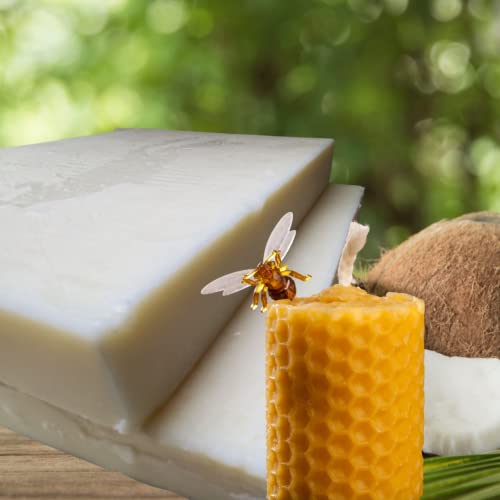
Begin with high-quality organic substance sourced from local beekeepers. This raw product should be free from impurities and additives to ensure a pure blend that highlights the beauty of your wooden pieces.
Next, gently heat the wax in a double boiler to prevent scorching. Use a thermometer to maintain a consistent temperature around 150°F (65°C). This precise heating is crucial for achieving the right consistency without compromising the integrity of the material.
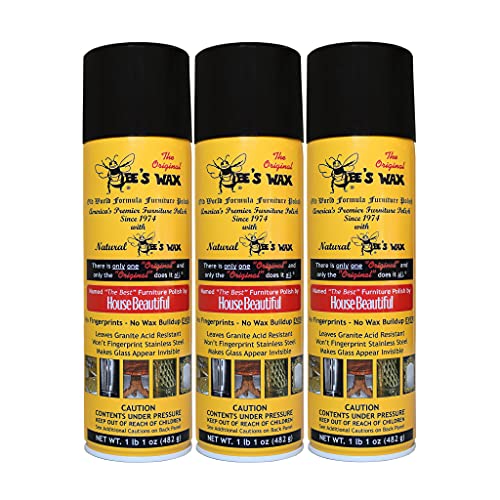


Once melted, consider adding a natural oil such as mineral or linseed oil to enhance the mixture. The ideal ratio is approximately 1 part oil to 3 parts wax. Stir thoroughly until fully combined. This addition not only improves application but also nourishes the wood, giving it a richer sheen.
Pour the mixture into a container, allowing it to cool and solidify. Choose a shallow, wide vessel for easier access during application. After solidifying, this product will serve as a protective layer, enhancing the grain while providing resistance against moisture and wear.
Choosing the Right Beeswax for Your Project
Select high-quality materials to ensure durable results. Look for pure, unrefined wax from reputable suppliers. This guarantees the absence of additives or impurities that could affect the final product.
Consider the origin of the wax. Local sources often provide better quality, supporting community beekeepers and ensuring freshness. Organic options are preferable, as they contain fewer chemicals and promote sustainability.
Evaluate the melting point. Different applications might require varying temperatures. Typically, a melting point between 62°C and 64°C works well for most projects. This temperature balance allows for easy application without compromising the properties of the wax.
Check the color. Clear yellow or light amber hues indicate minimal processing, which preserves beneficial properties. Avoid overly dark or bleached wax, as these may have undergone excessive refinement or contain additives.
Take note of texture. High-quality products should feel soft yet firm, with a pleasant, sweet scent. Avoid those that feel overly sticky or gritty, as this suggests inferior quality.
| Characteristic | Ideal Type |
|---|---|
| Purity | Unrefined, pure |
| Source | Local, organic |
| Melting Point | 62°C to 64°C |
| Color | Clear yellow or light amber |
| Texture | Soft, firm, pleasant |
Lastly, experiment with small batches first. This approach allows you to fine-tune your methods according to the unique characteristics of each batch. Making adjustments based on your personal preferences leads to superior results.
Gathering Necessary Tools and Materials
First, I ensure a clean and organized workspace. This helps streamline the process and avoids any unnecessary distractions.
Required Tools
- Double boiler or a heat-safe container and saucepan
- Stirring utensil, preferably made of wood or silicone
- Measuring cups for precise proportions
- Whisk for blending ingredients effectively
- Containers for storing the finished product
- Fine mesh strainer or cheesecloth for filtering
Materials Needed
- High-quality wax sourced from local beekeepers or reputable suppliers
- Optional: oils like jojoba, coconut, or mineral for added properties
- Natural resins if additional hardness is desired in the blend
- Essential oils for fragrance, if preferred
It’s essential to have everything ready before proceeding, as this ensures a smoother workflow and allows concentration on combining the ingredients effectively.
Preparing the Wax for Melting
First, I remove any impurities from the capping and leftover bits of honeycomb. A fine mesh strainer or cheesecloth works best to filter out the debris. I recommend doing this step over a bowl to catch everything cleanly.
Cleaning Process
Next, I place the cleaned substance in a pot. It’s crucial to use one that I don’t mind dedicating to this task, as the residue will be difficult to remove. I fill the pot with just enough water to create a water bath, ensuring the wax doesn’t come into direct contact with the heat source.
Melting Method
Heating gently is the key; I set the stove to low or medium-low. Stirring occasionally speeds up the process, helping the material melt evenly. Once fully liquefied, I ensure that any remaining impurities are filtered out again before pouring the liquid into molds or containers. This method guarantees a clean and usable substance ready for application.
Melting Safely and Effectively
Utilize a double boiler for controlled melting. Fill the bottom pot with water, and place the wax in the top one. Heat on low to medium flame to prevent overheating, which can cause smoke or even fires. Regularly monitor the temperature, ideally keeping it below 185°F (85°C).
Safety Precautions
Always work in a well-ventilated area to avoid inhaling fumes. Have a fire extinguisher handy when working with heated substances. Use gloves and safety goggles to protect your skin and eyes from potential splashes or spills. Avoid using metal containers that could conduct heat unevenly.
Tips for an Even Melt
Cut wax into small pieces to promote uniform melting. Stir gently to ensure even distribution of heat as it liquefies. If using a microwave, do so in short intervals, checking consistency frequently. Remember to let it cool slightly before pouring, preventing burns or splatters.
Mixing Beeswax with Other Natural Ingredients
Combining this substance with various natural elements can enhance its protective and aesthetic qualities. First, consider incorporating natural oils such as linseed or jojoba. A common ratio is one part wax to one part oil, achieving a smoother application and increasing moisture resistance.
Integrating essential oils like lavender or tea tree not only adds fragrance but also provides antimicrobial properties. Aim for about 10-15 drops per cup of the mixture to avoid overwhelming the natural scent of the wax.
If seeking additional durability, experimenting with resin such as pine or damar can be beneficial. Blending a small amount (10-20%) can yield a more robust finish without significantly altering the consistency.
Dyes derived from natural sources like beetroot or turmeric can increase aesthetic appeal. A few drops mixed in can produce a soft hue while remaining eco-friendly.
Always test mixtures on a sample piece of wood to evaluate the final appearance and performance before applying to larger projects. This approach ensures the desired characteristics without compromising the integrity of the surface.
Storing and Preserving Homemade Finish
Choose airtight containers to prevent moisture and air exposure, as these can compromise the integrity of your concoction. Glass jars with tight-fitting lids work exceptionally well. Label each container with the date and any added ingredients for easier reference.
Optimal Storage Conditions
Maintain a cool, dark place for storage, away from direct sunlight and heat sources. Ideal temperatures range from 60°F to 75°F (15°C to 24°C). If conditions fluctuate, consider refrigerating for prolonged shelf life, but allow the mix to return to room temperature before use.
Testing Shelf Life
Periodically check for changes in scent, consistency, or appearance. If you notice any unusual odor or separation, it may be time to discard. As a rule, expect a shelf life of up to one year if stored properly. Sealing tight and monitoring regularly ensures your blend stays fresh for your next project.
Applying Natural Wax to Wood for Best Results
Prepare the surface by ensuring it’s clean and free from dust or debris. Any imperfections can become more pronounced once the finish is applied. I always recommend testing on a small, inconspicuous area to gauge how the wood reacts with the mixture.
Use a soft, lint-free cloth or a natural bristle brush for application. Apply a thin, even layer, avoiding excess that can lead to a sticky residue. A circular motion allows for better absorption into the fibers of the wood.
Allow the initial coat to sit for about 10-15 minutes, then buff with a clean cloth. This process enhances shine and ensures a smooth finish. For a deeper effect, apply multiple layers; just make sure to let each coat dry completely before adding another.
If you encounter any build-up, a fine-grade sandpaper can help to smooth the surface before the next application. This procedure can prevent uneven areas and promote a more uniform appearance.
After achieving the desired finish, remember to maintain the treatment. Regular buffing with a soft cloth keeps the surface nourished and enhances the wood’s natural beauty. I usually recommend reapplying every few months, particularly in high-traffic areas, to ensure longevity and protection.
FAQ:
What materials do I need to make beeswax for furniture?
To make beeswax for furniture, you will need the following materials: pure beeswax, which can be sourced from beekeepers or craft stores; a double boiler or a heat-safe bowl placed over hot water for melting; a stirring tool such as a wooden spoon; and optionally, linseed oil or mineral oil for a smoother finish. You might also want a container for storing the finished product.
Can I use any type of beeswax for furniture polish, or is there a specific kind I should choose?
It’s best to use 100% pure beeswax for furniture polish. Avoid any beeswax blends or those mixed with additives, as they may not provide the same quality finish. Look for natural beeswax that is free from chemicals or fragrances to ensure the safety and effectiveness of your furniture polish.
What is the process for melting beeswax to create a furniture polish?
To melt beeswax, fill the bottom pot of a double boiler with water and heat it on the stove until steaming. Cut the beeswax into small chunks or grate it for faster melting. Place the beeswax in the top pot or heat-safe bowl and allow it to melt slowly, stirring occasionally. Once completely melted, you can mix in any oils if desired, then pour the mixture into containers for cooling and storage. Let it set before use.
How should I apply the beeswax polish to my furniture?
When applying beeswax polish, first ensure that the furniture surface is clean and dust-free. Use a soft cloth or a microfiber towel to scoop a small amount of the beeswax polish. Apply it in circular motions, covering the entire surface evenly. After allowing it to sit for a few minutes, buff the surface with a clean cloth to achieve a nice sheen. This process can help nourish and protect the wood.
How often should I use beeswax polish on my furniture?
The frequency of using beeswax polish depends on the furniture’s usage and the environment. Generally, applying beeswax polish every 3 to 6 months is sufficient for most furniture pieces. If the wood appears dull or dry, it may indicate the need for a fresh application. Regular maintenance can prolong the life of the finish and enhance the furniture’s appearance.
What materials are needed to create beeswax for furniture?
To make beeswax for furniture, you will need the following materials: pure beeswax, a double boiler or a heat-safe container for melting the wax, and optional additives like jojoba oil or orange essential oil for enhancing the properties and scent of the beeswax. Additionally, you will need a stirring utensil and a mold or container for storing the finished beeswax product.


