
 Caleb Turner

For those who wish to protect their garden seating from theft or damage, I recommend attaching your items to fixed structures using high-quality chains and padlocks. This simple step can deter potential thieves and ensure your investment remains intact.
Consider investing in anchoring hardware, such as ground anchors, specifically designed for outdoor use. These can be easily installed into the ground or patio surface, providing a stable point to secure your lounge chairs and tables.
Utilizing a weather-resistant protective cover can also add an extra layer of security. Not only does it shield against the elements, but it also conceals your items, making them less visible to opportunistic individuals.


If your pieces are lightweight, think about using weights or anchors to prevent them from being moved easily. Heavy planters or decorative stones can serve as effective stabilizers in windy conditions.
Regularly assessing the condition of your locking mechanisms is essential; ensure that they function correctly to provide reliable security when needed. Proper maintenance will extend the life of your protective measures.
Securing Outdoor Seating
I recommend considering the use of high-quality chains or heavy-duty cables. These materials are robust and less susceptible to cutting or tampering. Attach one end to a fixed structure, such as a post or railing, and the other end to your seating, ensuring that it is tightly secured to prevent removal.
Weighted Bases for Umbrellas
Investing in weighted bases for umbrellas can stabilize them against wind gusts. Look for bases that are filled with sand or water, providing extra stability. Ensure that the weight is adequate for the size of your umbrella to prevent it from being toppled during bad weather.
Storage Solutions for Smaller Items
Utilize dedicated storage bins or cabinets for cushions, throws, and other smaller items. This keeps them safe from theft and the elements. Opt for weather-resistant containers that can be securely locked to enhance security during long periods of absence.
Choosing the Right Locking Mechanisms
Selecting the appropriate securing devices is key to safeguarding outdoor seating and accessories. I recommend using a combination of locks tailored to specific items and their usage locations.
Below is a table outlining various mechanisms, their suitability, and key features:
| Type of Mechanism | Suitability | Key Features |
|---|---|---|
| Padlocks | Chairs, tables | Portable, easy to use, various sizes |
| Chain Locks | Large sets, grills | Durable, flexible length, heavy-duty options |
| Cable Locks | Multiple items | Lightweight, rust-resistant, vinyl coating |
| Anchor Points | Fixed installations | Permanent, requires installation, high security |
| Combination Locks | General use | No keys required, customizable codes, reusable |
For portable pieces, I often opt for padlocks or cable locks due to their ease of transport. Chain locks work beautifully for larger collections needing stronger protection. Meanwhile, anchor points offer unmatched security for permanent setups, though installation is necessary.
Whichever method I choose, I ensure it’s weather-resistant and fits appropriately to deter theft while maximizing convenience for my outdoor spaces.
Using Furniture Straps for Security
Investing in quality straps is key. Opt for heavy-duty nylon or polyester materials that can withstand harsh weather conditions. Look for straps with reinforced stitching and sturdy buckles to ensure durability.
Installation is straightforward. Secure one end of the strap to your outdoor seating by threading it through sturdy attachment points like legs or frames. Use a ratchet mechanism or adjustable buckle to create a snug fit, anchoring it to fixed structures like fences or heavy planters.
Regularly inspect the straps for signs of wear. Replace any frayed or damaged straps immediately to maintain security integrity.
Consider using multiple straps for larger items or groupings of chairs and tables. This ensures that a single item isn’t easily removed, deterring opportunistic theft.
For optimal results, combine straps with other protective measures, such as locking systems or anchor devices, to create a comprehensive safety solution. This layered approach significantly enhances protection against theft.
Best Practices for Securing Umbrellas
Using a weighted base is the first step in ensuring your umbrella remains stable. Choose bases that are heavy enough to withstand wind gusts. Consider filling a hollow base with water or sand for added weight.
Utilizing a locking mechanism on the umbrella’s pole increases security. Look for models that feature integrated locks or those that allow for padlocks. These prevent unauthorized access and protect the umbrella from being taken.
- Assess the size of the umbrella when selecting a base to balance aesthetics and functionality.
- Regularly inspect the umbrella’s condition, including any hinges or joints, to ensure everything remains secure and functional.
- Consider purchasing an umbrella with a tilt feature, as it can be repositioned to minimize risk from winds.
Invest in a cover for your umbrella when it’s not in use. A durable, weather-resistant cover shields it from elements and decreases the chances of theft.
- Always close the umbrella when leaving the area unattended.
- Store the umbrella indoors during extreme weather conditions.
Lastly, be aware of your surroundings. Setting up your umbrella in a visible area deters potential theft, as offenders are less likely to act in well-trafficked spaces.
Creating a Secure Storage Space for Cushions
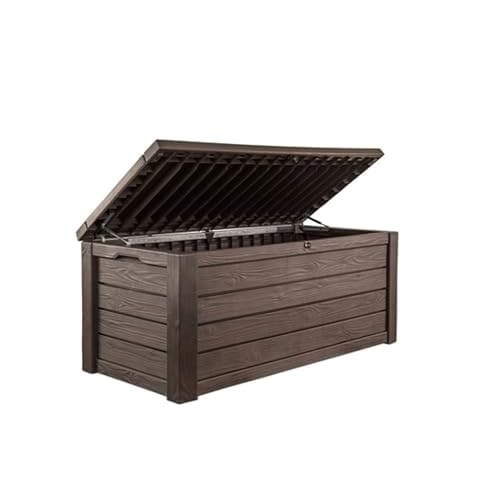
Invest in a dedicated storage box or bench made from weather-resistant materials to keep your cushions safe. Ensure it features a tight-fitting lid and secure latch to prevent unauthorized access.
Measure your cushions before selecting a storage solution, allowing for ample space to avoid compression. A well-ventilated box minimizes moisture buildup, which can cause mold and mildew. Consider placing silica gel packets inside to absorb any excess humidity.
For easy transport and access, utilize lift-out storage bags designed for outdoor cushions. Look for options with waterproof coatings to provide an extra layer of protection against rain and spills.
Lock your storage unit with a sturdy padlock or built-in locking mechanism, ensuring your soft furnishings remain untouched during off-seasons.
Regularly check the condition of the storage area to maintain its integrity, replacing any corrosion-prone components as needed. Storing cushions off the ground in a shaded area prolongs their life and keeps them ready for use.
Tips for Using Anchors and Weights
Choose high-quality anchors that are designed specifically for outdoor use. Stainless steel or galvanized options resist corrosion, ensuring longevity.
For stability, place the anchors at the base of larger pieces, such as tables and benches. Use weights that fit snugly against the base to prevent tipping in windy conditions.
Types of Weights
Consider using concrete blocks wrapped in weather-resistant material. These are easy to move yet provide substantial hold. Sandbags can also be effective; just ensure they are securely sealed to avoid leaks.
Placement Strategies
Strategically position weights near corners or at multiple points along the furniture. This distribution balances the load and reduces the risk of movement. If utilizing weights on umbrellas, ensure they are evenly spread across the stand.
Regularly check the security of your anchors and weights, especially after severe weather. This simple maintenance step can prevent unexpected accidents and damage.
Regular Maintenance and Safety Checks
I recommend conducting thorough inspections of outdoor seating and accessories at least twice a year. During these checks, I look for any signs of wear, rust, or damage, which could compromise security. Tightening screws and bolts ensures that everything remains robust and secure.
Cleaning the items regularly is critical. I often use a mild soap and water solution to keep surfaces free from dirt and grime. This not only improves their appearance but also helps identify potential issues like rust or loose connections more easily.
I find it beneficial to apply a protective sealant to metal components. This can significantly prolong their lifespan by preventing corrosion. For wooden structures, a good quality wood preservative can help repel moisture and pests, enhancing their durability.
Every change in season presents an opportunity for scrutiny. Before winter, I remove cushions and any removable elements to safeguard against water damage and mold. In spring, I routinely check everything for signs of wear that may have developed during storage.
In addition to physical maintenance, I use security cameras in the vicinity to monitor the area, providing an extra layer of assurance. I also keep detailed records of any repairs or maintenance performed. This practice not only helps track the condition of my items but also serves as a useful reference for future actions.
Finally, I ensure that any locking mechanisms are functional. Testing them regularly gives me peace of mind that my efforts to secure everything are truly effective.
FAQ:
What are some practical methods to secure patio furniture against theft?
To secure patio furniture against theft, you can use a few different strategies. Firstly, consider using furniture locks or cables that are designed for outdoor use. These can be looped through the furniture and then secured to a stationary object, making it difficult for thieves to carry them away. Another option is to use heavy planters or weights to anchor larger pieces to the ground. In addition, investing in furniture covers can protect against the elements and unwanted attention. Lastly, consider storing your furniture indoors during off-seasons or if extreme weather is expected.
How can I weatherproof my patio furniture when locking it down?
Weatherproofing your patio furniture before securing it can help extend its lifespan. To do this, clean the furniture thoroughly to remove any dirt or debris. Next, apply a protective sealant or weather-resistant spray, especially for wood pieces, to guard against moisture and UV damage. For cushions, use water-resistant covers and store them in a dry place when not in use. After taking these precautions, you can then lock the furniture down, ensuring it’s safe from both theft and the elements.
Are there specific products recommended for locking patio furniture?
Yes, several products are designed for locking patio furniture. Look for strong cable locks or chains that are resistant to cutting. U-locks, commonly used for bicycles, are also a solid choice for securing outdoor chairs and tables. Another option is lockable storage benches that provide both seating and a secure place to store smaller items. Always choose locks made of durable materials to withstand potential tampering or weather exposure.
Is it advisable to bring patio furniture indoors during winter months?
Bringing patio furniture indoors during winter is a highly recommended practice. Indoor storage protects furniture from harsh weather, moisture, and potential damage. If space is limited, consider covering the furniture with high-quality, weatherproof covers as an alternative. Regardless of the option you choose, ensuring furniture is properly stored or protected can prolong its life and maintain its appearance.
What are some DIY solutions for securing patio furniture?
You can create your own solutions for securing patio furniture using materials you may already have. For instance, you can use a bicycle lock to attach furniture pieces together or to a fixed object, reducing the likelihood of theft. Additionally, large rocks or heavy objects can be used to weigh down light chairs or tables. You can also create a simple enclosure using fencing materials or trellises to deter thieves. The key is to think creatively about how to secure your items without compromising their accessibility during gatherings or casual use.
What are the best ways to secure patio furniture against theft?
To secure patio furniture against theft, consider using locking mechanisms such as padlocks with chains or cable locks that can attach the furniture to fixed objects like railings or trees. You can also choose to invest in furniture with built-in locking systems. Another effective method is to use security anchors that can be installed into the ground or deck, allowing you to tie down your furniture securely. Additionally, during periods of inactivity, it’s wise to store your furniture indoors or in a shed to minimize the risk of theft.


