
 Caleb Turner
To prevent your outdoor seating from becoming a hazard during strong winds, securing it with bungee cords or ratchet straps is an excellent solution. These materials can be easily attached to heavy-duty anchors, ensuring stability even in gusty conditions.
For an added layer of security, consider using weights or sandbags. By placing these strategically around the legs, you create a solid foundation that resists movement. Alternatively, opting for a storage option during stormy weather will also spare your pieces from potential damage.
Regularly inspecting the condition of the legs and joints will help identify any wear and tear that may compromise stability. Additionally, choosing locations with natural windbreaks, such as walls or hedges, can significantly reduce exposure to harsh winds.
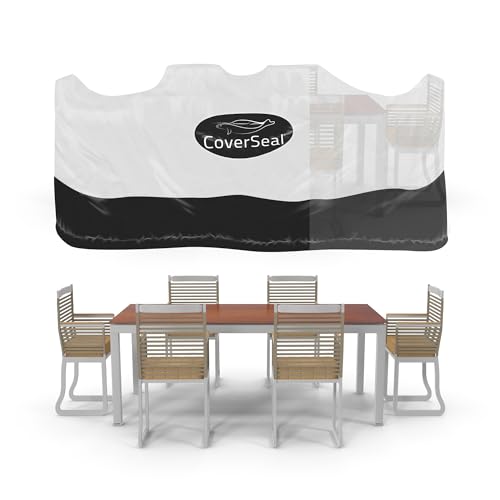
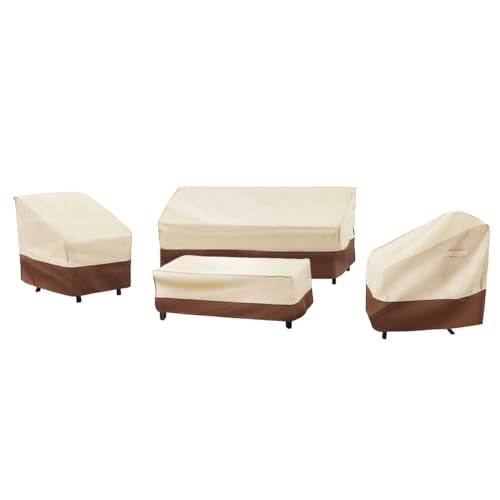
Investing in covers designed for outdoor items can protect them and help keep everything in place. These covers often come with straps that secure the entire piece, offering peace of mind during inclement conditions.


Ways to Secure Outdoor Seating
Weighted bases are highly effective. I opt for heavy-duty weights that come with various outdoor seating items to ensure they remain firmly in place, even during gusty winds.
Utilizing Anchors
Ground anchors can offer significant stability. Here’s how I set them up:
- Identify locations beneath each piece where a secure anchor can be placed.
- Use a drill to create holes that accommodate the anchor size.
- Secure the anchors firmly into the ground, ensuring they are flush with the surface.
- Attach furniture legs to these anchors with durable straps or cables for added security.
Covering Outdoor Items
A high-quality cover can add another layer of protection. I choose breathable materials that prevent moisture buildup:
- Ensure the cover fits snugly around each item.
- Consider securing the cover with ties or Velcro to prevent it from being whipped around.
Understanding the Risks of Outdoor Wicker Furniture
Consider anchoring your outdoor pieces to avoid potential hazards. Wind gusts can destabilize lightweight chairs and tables, leading to damage or personal injury. Investing in weighted bases or anchors can significantly reduce the risk of these items tipping over or being tossed around.
Environmental Impact
Exposure to harsh weather conditions compromises the structural integrity of these natural materials. Rain, sun, and temperature fluctuations degrade fibers, affecting longevity. Regular maintenance like applying sealants or protective coatings can mitigate such deterioration, ensuring durability.
Pest Attraction
Natural fibers can attract pests, posing another risk when left outdoors. Rodents and insects may take shelter in soft materials, leading to infestations. Utilizing protective coverings or moving pieces indoors during off-seasons safeguards against these unwelcome visitors.
Choosing the Right Location for Your Wicker Furniture
Position your items in a sheltered area, away from open spaces where strong gusts can easily sweep them away. Look for nooks or recesses near walls or fences that can offer protection.
Consider placing them on a patio or porch that has walls or overhangs. These structures not only provide physical barriers but also help in reducing the effects of wind.
Pay attention to the direction of prevailing winds in your area. Identifying where the wind typically comes from can guide you in selecting spots that naturally shield your pieces.
Avoid open yards or elevated surfaces, as these are often more exposed to shifting weather conditions. Instead, choose ground-level areas that provide stability.
Incorporating planters or heavy decorative objects around your outdoor seating can act as natural windbreaks. This strategy not only enhances aesthetics but also contributes to keeping your pieces secure.
Regularly reassess the positioning of your items, especially after storms or seasonal changes. Conditions can alter surprisingly, and a spot that seemed perfect may no longer be suitable.
Using Weights and Anchors to Secure Wicker Items
For added stability, I place heavy objects inside or on top of my outdoor pieces. This technique ensures they remain grounded during strong winds. Opt for decorative weights that blend with the decor while serving their purpose.
Another effective option includes using anchors. These can be garden stakes attached to the base, securing an item more firmly to the ground. I find it practical to choose rust-resistant materials to prolong durability.
In some instances, I construct a weighted base or platform that elevates the item slightly, combining stability with aesthetics. Here are some practical suggestions:
| Method | Description |
|---|---|
| Heavy Accessories | Utilize weights like stones or bricks, hidden within planters or decorative boxes. |
| Anchoring | Use durable garden stakes or fabric weights for secure attachment to the ground. |
| Weighted Platforms | Create a stable foundation that elevates items and keeps them anchored. |
By implementing these strategies, I significantly reduce the chance of my outdoor decor shifting or being displaced by gusts. Regular checks of the stability of your items can further enhance safety and longevity.
Implementing Windbreaks: Creating Barriers Around Your Furniture
Installing physical barriers around your outdoor pieces significantly reduces the chances of them being displaced. Consider the following options:
- Natural Vegetation: Use tall shrubs or hedges as effective windbreaks. They create a natural shield against gusts and enhance your outdoor aesthetic.
- Outdoor Screens: Screens made of wood, fabric, or bamboo can provide the needed protection. They can be strategically positioned to block prevailing winds.
- Fencing: A solid fence serves not only as a barrier but also as a design element. Install a fence that is high enough to diminish wind impact on your assets.
- Decorative Walls: Consider building stone or brick walls that add elegance while serving a functional purpose against strong breezes.
- Moveable Panels: If permanence isn’t desirable, opt for portable panels that can be arranged based on weather patterns.
Additional Considerations
Placing your barriers at an angle can increase their effectiveness. It redirects wind flow away from your belongings instead of just blocking it directly. Combining multiple types of barriers can enhance protection, creating a layered windbreak.
Regularly assess the condition and position of these windbreaks, especially after storms or extreme weather events. Ensuring they remain intact and properly placed will help in maintaining a stable outdoor environment.
Selecting Furniture Covers for Storm Protection
Opt for durable, weather-resistant materials such as polyester or nylon with a PU coating. These fabrics provide excellent water resistance and UV protection, ensuring longevity against harsh conditions.
Size and Fit
Select covers that fit snugly around items. A tailored fit minimizes the chance of wind lifting them off. Measure the dimensions of your pieces before purchasing and check manufacturer specifications for a secure option.
Features to Consider
Look for covers with reinforced seams, adjustable straps, and built-in ventilation flaps. Reinforced seams enhance durability, while adjustable straps can secure the cover tightly even during high winds. Ventilation flaps reduce moisture accumulation, preventing mildew and mold.
Additionally, you may want to choose a cover with a reflective coating, as this can reduce heat buildup, thus prolonging the material’s life and safeguarding the underlying structure.
Consider investing in a cover with storage pockets for added convenience. These can be useful for keeping items like weights, anchors, or smaller decorative elements organized and accessible.
Regular cleaning and maintenance of these protective covers will also ensure they remain in good condition, ready to shield your valuable outdoor assets against unfavorable weather.
Regular Maintenance Tips to Enhance Stability
Regular cleaning is key. I wipe down surfaces weekly to prevent dirt buildup, which can weaken structural integrity over time.
Check connections and joints frequently. I inspect for any signs of wear or damage, tightening screws and bolts as needed to ensure everything remains secure.
Applying a protective sealant helps. I use a quality outdoor sealant designed for natural materials. This reinforces strength and offers some resistance against moisture and wind.
Seasonal Storage Considerations
For winter months or extreme weather, I store pieces indoors. Keeping items in a garage or shed minimizes exposure to harsh elements and potential wind gusts.
Reinforcing with Additional Supports
Using rubber mats or weighted bases for items that are particularly light aids in stability. I find that these additions provide extra grip and prevent sliding during strong gusts.
Creating a routine is helpful. Setting a schedule for checks and maintenance allows me to easily remember when to perform these tasks, ensuring my outdoor décor remains secure and well-maintained.
Replacing or Modifying Lightweight Wicker Options for Better Security
Consider swapping lightweight pieces with heavier alternatives, such as items made from metal or solid wood. These materials offer increased stability while still enhancing your outdoor space’s aesthetics.
For those who prefer to retain their current setup, I recommend reinforcing existing lightweight options by attaching additional weights. This can involve filling hollow sections with sand or using concrete bases. Such modifications significantly improve their ability to withstand stronger winds.
Another approach is to use anti-slip pads underneath the legs of each item. Choosing high-friction materials will prevent sliding and provide an extra layer of security on sloped surfaces or tiled areas.
Mesh straps or bungee cords can be utilized to anchor pieces together, ensuring they remain in proximity and reduce movement. This also facilitates easier transport when needed for storage.
Incorporating modular designs can be advantageous. Using interlocking sections creates a sturdier ensemble that can distribute wind resistance more effectively.
If replacing furnishings isn’t an option, consider customizing existing items with additional features like stabilizing brackets that can be discreetly mounted to fixed surfaces, enhancing overall safety during gusty conditions.


