Caleb Turner
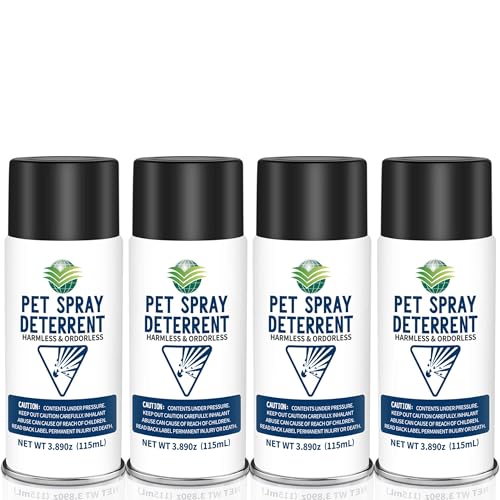
Seeking out alternatives is crucial. Provide a variety of engaging toys that are specifically designed for gnawing. Durable rubber or plush options can effectively redirect focus while satisfying the natural urge to bite.
Regular training sessions enhance understanding and reinforce boundaries. Using positive reinforcement, such as treats and praise, encourages the little one to avoid designated items around the home. Consistency in commands will aid in forming lasting habits.


Creating an enriching environment promotes healthier behaviors. Incorporate interactive games and structured playing time that stimulate your furry friend’s mind and body. Keeping them engaged reduces the likelihood of searching for less appropriate items to entertain themselves.
Additionally, utilizing deterrent sprays on surfaces that are tempting to gnaw can serve as a helpful reminder. Look for pet-safe products that provide an unpleasant taste, discouraging any unwanted attention.
Prevent Destruction of Wooden Surfaces
Provide plenty of appropriate toys that are safe to gnaw on. Rubber or soft materials can satisfy the urge to bite while redirecting focus away from unacceptable targets. Rotate toys regularly to maintain interest.
Apply bitter-tasting deterrents specifically designed to deter unwanted nibbling. Test a small hidden area to ensure the finish is not damaged. Consistently reapply to maintain effectiveness.
Set aside time for engaging interactive play. Mental stimulation through games reduces boredom, which can lead to destructive habits. Utilize puzzle toys to challenge and entertain.
Training and Discipline
Establish clear boundaries using consistent commands. Reinforce positive behavior with treats and praise when the preferred item is used. Conversely, redirect attention immediately if undesirable habits arise.
Utilize time-outs for unwanted behaviors. Calmly remove the offender from the tempting area and provide a brief interval to cool down. This method teaches the consequences of actions without harshness.
Environment Management
Limit access to tempting wooden items by using barriers or gates. Ensure that valuable pieces are out of reach during the learning phase. By controlling the environment, the chances of unwanted encounters decrease significantly.
Understanding the Reasons Behind Chewing Behavior
Identifying the underlying causes of gnawing can significantly aid in addressing this issue. One primary factor is the need for teething relief. Just like human babies, young canines experience discomfort as their teeth emerge. Providing suitable alternatives, such as teething toys, can alleviate this urge.
Anxiety can also trigger this behavior. Separation anxiety or general stress may lead to destructive actions as a coping mechanism. Creating a secure environment, along with providing mental stimulation, can help reduce anxiety levels.
Boredom drives many young animals to seek entertainment through unconventional means. Engaging them with interactive toys or regular exercise can redirect their focus and satisfy their need for activity.
<pLastly, exploration plays a role. Chewing serves as a way for them to understand their surroundings. Encouraging exploration of appropriate objects can foster curiosity while protecting valuable possessions.
Choosing the Right Chew Toys for Your Puppy
Select durable materials that withstand aggressive biting. Rubber toys, particularly those designed for heavy chewers, are an excellent choice. Look for ones with textured surfaces to provide additional stimulation and keep your furry friend engaged.
Types of Chew Toys
- Natural Rubber: Flexible yet strong, often infused with flavors.
- Dental Chews: Designed to promote oral health, helping to clean teeth while being gnawed on.
- Fabric Toys: Soft options made of durable fabric can be appealing but monitor wear and tear.
- Stuffed Toys: Ensure they have reinforced seams to prevent hazards.
- Interactive Toys: Combine play with treat dispensing to engage your companion mentally.
Size Considerations
Choose toys that match the size of your pet. A toy too small poses a choking risk, while oversized toys can be cumbersome and less appealing. Test several options to discover which your pal prefers.
Regularly inspect toys for signs of wear. Replace any that show excessive damage to ensure safety. Offering a selection of types and sizes can maintain interest and reduce the temptation to gnaw on inappropriate items.
Implementing Positive Reinforcement Techniques
I recommend using treats and praise whenever my dog opts for a toy instead of targeting any wooden items. Each time I catch my canine in the act of chewing on appropriate items, I immediately reward with a small treat or an enthusiastic “good job!” This builds a clear connection between desired behavior and positive feedback.
Consistency is key. I make sure to provide the same rewards every time my furry friend chooses the right chew toy. Over time, this repetition establishes strong associations and encourages continued good behavior.
I also incorporate playtime as a reward. Engaging in a game with a chosen toy creates positive experiences. Not only does it reinforce the preferred chewing behavior, but it also strengthens our bond.
Timing of rewards matters. I strive to deliver treats or praise instantly, as it helps my pet understand exactly what behavior is being acknowledged. Delays can confuse them, weakening the connection between action and reward.
Another technique I find effective involves redirecting attention. If I observe my dog beginning to approach a desirable piece of furniture, I quickly redirect them to a toy. When they engage with the toy, I reward them enthusiastically.
Finally, I maintain a calm demeanor when accidents happen. Instead of punishing my companion for inappropriate chewing, I redirect and focus on reinforcing positive choices. This approach fosters trust and creates a more encouraging environment for learning.
Creating a Dog-Proof Environment
Secure all valuable items and ensure your space is a safe haven for your furry friend. Here are crucial steps to dog-proof your home:
- Identify areas where your canine loves to roam and remove any tempting objects that might attract their attention.
- Utilize furniture covers or protective sprays to guard against potential damage, especially on cherished pieces.
- Limit access to rooms with delicate items or cables by using baby gates or closed doors.
Establish designated play zones filled with appropriate toys. This encourages your dog to engage with acceptable items instead of household objects.
- Choose a space with non-fragile furnishings and surfaces easy to clean.
- Add a variety of chew toys and interactive games to keep them entertained.
Implement training routines focusing on redirecting unwanted behaviors. For instance, if your pet approaches an item you wish to protect, immediately guide them to their toys. Consistent redirection aids in reinforcing good habits.
Consider using scent deterrents on surfaces prone to interest from your pet. Products with bitter or pungent smells can dissuade your four-legged friend from exploring specific furniture pieces.
Maintain an organized environment; distractions often lead to unruly behaviors. Regularly assess your surroundings and adjust as necessary to keep enticing objects out of reach.
Finally, spend ample time monitoring your pet during their exploratory phases. Knowing what captures their interest allows you to take action proactively, ensuring both your belongings and your canine stay safe and happy.
Using Deterrent Sprays on Furniture
I recommend applying deterrent sprays specifically designed to discourage pets from gnawing on surfaces. Choose bitter-tasting formulas, as these create a negative association with the texture of the wood without causing harm.
Ensure the spray is safe and non-toxic. Look for products that are pet-friendly and free from harsh chemicals. Read labels and check for vet endorsements when selecting a spray.
Before using the deterrent, test it on a small, inconspicuous area of the item to ensure it does not damage the finish. Apply the spray generously, focusing on edges and corners where your dog is most likely to engage.
Reapply regularly, especially after cleaning or if the scent fades. Monitoring your dog’s behavior after application will help evaluate its effectiveness. If the initial product does not work, consider trying a different formula or brand.
A consistent approach with these sprays, combined with other strategies mentioned in earlier sections, will support a comprehensive plan in protecting your belongings.
| Considerations | Recommendations |
|---|---|
| Safety | Choose non-toxic, pet-safe formulas |
| Testing | Conduct a patch test on furniture |
| Application | Focus on high-traffic areas, reapply as needed |
| Monitoring | Observe if behavior changes after use |
Establishing a Regular Exercise Routine
Implementing daily physical activities is crucial for curbing unwanted gnawing behaviors. I recommend scheduling at least 30 minutes of vigorous playtime each day. Engaging in activities such as fetch, tug-of-war, or agility drills stimulates both mind and body.
Consider incorporating short training sessions during playtime. This dual approach strengthens the bond while redirecting energy into positive actions. Utilizing interactive toys, such as treat-dispensing puzzles, can provide mental stimulation during more quiet moments, keeping attention away from prohibited items.
Consistency matters. I maintain a set routine, conducting walks and play sessions around the same time each day. This predictability helps in establishing good habits and reduces the likelihood of boredom-driven behaviors inside the house.
Socialization with other animals can also be part of the exercise regimen. Visits to dog parks or playdates with friends’ dogs can provide opportunities for play and exploration, further reducing the urge to seek out improper chewing options at home.
Tracking exercise through simple logs or apps can help gauge progress and ensure your daily goals are being met. Keeping it fun and varied not only prevents weariness but also enhances learning. The combination of structured activity and excitement can effectively diminish the interest in harmful chewing activities.
Seeking Professional Help When Necessary
If traditional methods fail, consulting a veterinarian or a professional dog trainer can provide tailored strategies. They can identify specific behavioral issues, such as anxiety or boredom, leading to destructive habits.
Consider enrolling in training classes where experienced trainers use personalized approaches that cater to individual temperament and needs. These environments not only address chewing habits but also promote overall well-being through socialization.
Additionally, behavioral specialists can offer insights into whether underlying health problems contribute to your companion’s destructive tendencies. Regular check-ups may also rule out dental pain, which can motivate gnawing on various materials.
If anxiety is determined to be a contributing factor, professionals might suggest counter-conditioning techniques or even medication in severe cases, turning focus to symptoms rather than just the behavior itself. Utilizing their expertise can help create a supportive atmosphere for both you and your dog.
Engaging with experts may feel like an added step, but the long-term benefits often outweigh initial hesitations. A customized plan can foster healthier habits, ultimately leading to a harmonious living space.
FAQ:
What are some reasons why puppies chew on wood furniture?
Puppies may chew on wood furniture for several reasons. Firstly, they are naturally inclined to explore their environment with their mouths, and chewing helps them learn about different textures. Secondly, teething can cause discomfort, prompting puppies to chew on hard surfaces to soothe their gums. Lastly, boredom or lack of appropriate chew toys can lead a puppy to seek out furniture as an alternative outlet for their chewing behavior.
How can I prevent my puppy from chewing on my furniture?
To discourage your puppy from chewing on wood furniture, consider providing a variety of suitable chew toys that are safe and engaging. Confining your puppy to a designated area with these toys can help redirect their attention. Additionally, using bitter-tasting sprays on furniture can make them less appealing. Regular exercise and playtime can also alleviate boredom, reducing the likelihood of destructive chewing behavior.
Are there specific types of chew toys that are more effective for puppies?
When choosing chew toys for puppies, look for durable options made from rubber, nylon, or other tough materials that can withstand their chewing. Toys that are interactive, such as those that can be stuffed with treats, can keep puppies entertained for longer periods. Additionally, soft toys that are designed for teething can provide comfort while being gentle on their gums.
What should I do if my puppy has already damaged my furniture?
If your puppy has chewed on furniture, it’s essential to address the behavior calmly. First, assess the damage to determine if it needs immediate repair. Second, redirect your puppy to appropriate chew toys and give them praise when they engage with those instead. Implementing preventive measures, such as furniture protection or deterrent sprays, can help avoid further incidents. Consistency and positive reinforcement are key in encouraging better habits.
Can training techniques help stop my puppy from chewing furniture?
Yes, training techniques can be very effective in reducing unwanted chewing. Positive reinforcement training, for example, involves rewarding your puppy for chewing on appropriate items instead of furniture. Commands such as “leave it” or “no chew” can be taught, helping your puppy learn boundaries. Consistency in enforcing these commands will help your puppy understand what is acceptable to chew and what is not.
What are some effective ways to prevent puppies from chewing on wood furniture?
To stop puppies from chewing on wood furniture, you can take several measures. First, providing appropriate chew toys can redirect their chewing behavior. Look for toys that are durable and specifically designed for teething puppies. Second, you can use bitter-tasting sprays on the wood surfaces to deter them. These sprays are generally safe for dogs and make chewing on the furniture unappealing. Third, consistently redirect your puppy’s attention when you catch them chewing furniture. Offer them their toys instead and praise them when they choose the right object. Additionally, creating a designated play area for the puppy, free from furniture, can help limit their access to tempting items. Lastly, regular exercise and mental stimulation can reduce their urge to chew out of boredom. Combining these strategies with patience and consistency should yield positive results.