
 Caleb Turner
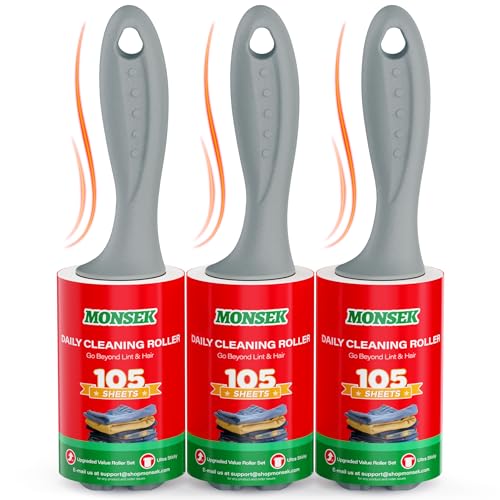
One effective method to reduce cling is incorporating a lint roller into the maintenance routine. This tool allows for quick removal of loose fibers without requiring extensive cleaning efforts. Keep one in various areas of your home for convenient access.
Using specific fabric softeners during laundry can significantly decrease static, which plays a key role in how residues adhere to various surfaces. A little extra care during washing can go a long way in minimizing accumulation.
Regular vacuuming is essential. Opt for a vacuum designed for capturing fine particles and fibers, along with attachments that target upholstery and carpets. Scheduling this chore weekly creates a proactive approach towards managing the situation.
Choosing appropriate covers for sofas and chairs can provide an additional line of defense. Select materials known for resisting debris and can be easily laundered. Covers not only protect the furniture but also make cleanup effortless.

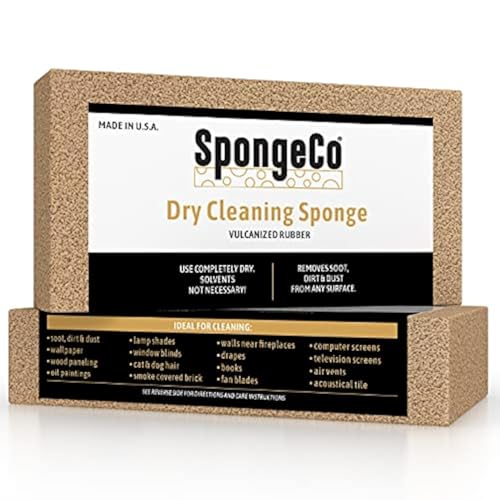
Consider the environment. Maintaining appropriate humidity levels in your home can reduce static electricity, which is a significant contributor to fibers sticking. A humidifier can help in dryer climates, ensuring everything stays manageable.
Ways to Reduce Fur Buildup on Surfaces
I find that using fabric softener sheets is highly effective. Rubbing a sheet over the upholstery attracts and gathers stray fibers. Simply swipe it across the surface for quick results.
Vacuum Strategy
Utilize a vacuum cleaner with a specialized pet attachment. These tools agitate the material and help lift embedded strands. Regularly replace or clean the filters to maintain suction power.
- Invest in a vacuum designed for lifting fine fibers.
- Run the device at least once a week to prevent accumulation.
- Use a handheld model for quick touch-ups between thorough cleanings.
Material Selection
Opt for fabrics with tighter weaves. Leather, denim, and microfiber resist furry clinging more effectively than plush or boucle materials. Consider using slipcovers made from such textiles for added protection.
Washing slipcovers or using removable cushions also helps keep seating areas fresh. Regular maintenance can significantly curb the visibility of animal fur.
Choosing the Right Furniture Fabrics
Opt for tightly woven materials such as microfiber or canvas. These textures are less likely to attract and hold onto lint and fibers. Choosing synthetic blends can also offer better resistance against cling, making maintenance easier.
Consider Non-Porous Surfaces
Leather and faux leather options repel small particles, which makes cleaning a quick task. Smooth surfaces discourage debris from embedding, allowing for easier upkeep with a damp cloth.
Patterns and Textures
Fibers with intricate patterns can camouflage any lingering fluff, making it less noticeable. Additionally, textured fabrics can be more forgiving when it comes to deflecting clingy particles, providing both style and practicality.
Regular Cleaning Routines with Proper Tools
Implement a consistent cleaning schedule to minimize unwanted particles. I recommend vacuuming surfaces daily or every other day using a vacuum designed for upholstery or equipped with a HEPA filter. This helps capture allergens and smaller fibers effectively. Attach a soft brush or upholstery tool to prevent damaging materials.
Ideal Cleaning Tools
Invest in a rubber squeegee or lint roller; both can remove delicate strands efficiently from various surfaces. A microfiber cloth is also beneficial as it attracts and holds onto dust and fibers rather than pushing them around. For tough spots, consider using a damp sponge for additional removal power.
Frequency and Technique
Adopt a deep cleaning routine at least once a week. This includes thorough vacuuming, washing removable covers, and using specialized cleaning products suitable for the materials in your home. Always follow the manufacturer’s care instructions to prevent any damage while maintaining cleanliness.
Utilizing Dryer Sheets for Hair Removal
To tackle the issue of fibrous remnants clinging to surfaces, I find dryer sheets particularly handy. Their anti-static properties make them effective in breaking the bond between textile fibers and unwanted particles. Simply take a dryer sheet and gently rub it over the area where the fibers have accumulated.
Optimal Application Techniques
For the best results, I recommend using a fresh dryer sheet. Start at one corner of the upholstery and work your way across in one direction. This prevents the transfer of debris back onto the cleaned area. If the residue is stubborn, you can slightly moisten the sheet with water to enhance its cleaning capability.
Additional Benefits
Besides removing fibers, these sheets leave a pleasant scent, refreshing the ambiance of any space. I also use them on my clothing before heading out, ensuring that any stray fibers are eliminated and my outfit stays clean. Always keep a box handy for those quick touch-ups!
Applying Anti-Static Sprays on Surfaces
I recommend using anti-static sprays to minimize the cling of unwanted fibers on various surfaces. Select a product specifically designed for fabrics, ensuring it doesn’t leave a residue that could attract more debris. Prior to application, test on a hidden area to confirm compatibility without damaging the material.
Lightly spray the surface from a distance of about 6 to 12 inches, allowing for even coverage. Focus on areas where loose fibers accumulate, like upholstered chairs or cushions. A quick wipe with a microfiber cloth after spraying can enhance results, ensuring even distribution of the product.
Reapply as needed, especially in high-traffic areas or following cleaning sessions. Regular use of anti-static sprays creates a barrier that discourages fibers from adhering, making it a practical addition to any maintenance routine.
Keen attention to the application technique can lead to a more comfortable living environment, reducing the annoyance of persistent particles clinging to surfaces.
Creating a Designated Animal Area with Mats
I designate a specific zone for my furry friend, using mats to contain any loose fibers and minimize their reach on other surfaces. Choosing mats with rubber backing prevents slipping and keeps them securely in place. Opt for textured surfaces, as they better capture and hold onto loose strands, making cleanup simpler.
Regularly shake out and wash these mats to eliminate collected debris. Select washable materials that withstand frequent cleaning, ensuring longevity. I prefer dark colors, as they tend to hide any residual fluff better than lighter shades.
Incorporating a cozy bed or blanket within this dedicated area provides comfort while also encouraging my companion to stay there, further reducing residue on my other belongings.
By regularly maintaining this space, I can significantly reduce the workload of keeping the rest of my home tidy and enjoy a cleaner, more organized environment.
Grooming Your Pet to Minimize Shedding
Regular brushing of your companion is a key factor in reducing loose fur. I recommend a grooming schedule based on your animal’s coat type. For short-haired breeds, a weekly brushing session can suffice, whereas long-haired varieties may need to be brushed several times a week to effectively manage excess fur.
Utilize appropriate tools tailored to your animal’s coat. For example:
| Coat Type | Recommended Tool |
|---|---|
| Short Hair | Slicker brush or rubber grooming mitt |
| Medium Hair | Undercoat rake or dual-sided brush |
| Long Hair | Wide-tooth comb or pin brush |
Incorporate bathing into your routine, but avoid overdoing it as too many baths can dry out the skin. A monthly bath with a gentle pet shampoo can help remove loose fur. After bathing, thoroughly dry your companion and brush again to capture any remaining fur.
Consider professional grooming services if needed, as groomers have specialized tools and techniques to reduce shedding. Additionally, maintaining a balanced diet plays a role in fur health. Ensure your animal receives high-quality food rich in omega fatty acids to promote a healthy coat.


