
 Caleb Turner
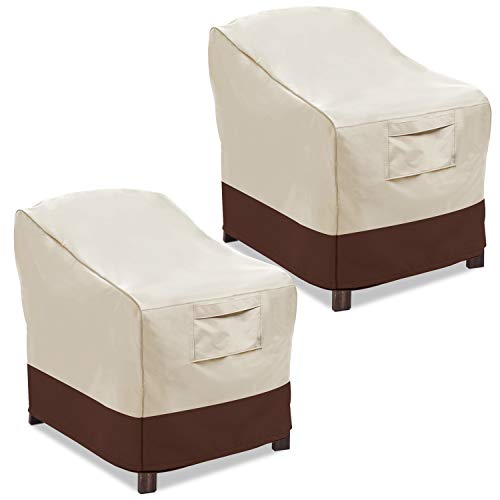
Utilizing strategically placed weights can significantly enhance stability. Consider placing heavy objects, like bricks or specially designed weights, on the edges of fabric to prevent unwanted movement during gusty days.
Alternatively, using adjustable straps with buckles can effectively anchor the material. These straps can be tightened around the furniture’s legs, ensuring a snug fit that resists shifting.
Another valuable approach is implementing clips or clamps specifically designed for outdoor applications. Attaching these to the corners of the fabric will add an extra layer of security, making it difficult for even the strongest winds to displace them.
Regular maintenance is also key; inspect the fabric for signs of wear and tear. Replacing damaged elements promptly can mitigate further risk of detachment and prolong the life of the protective layer.


Choosing the Right Material for Your Covers
I recommend opting for materials like polyester or vinyl that can withstand various weather conditions. Polyester is lightweight yet durable, often treated to resist UV rays and moisture, making it ideal for long-term usage. Vinyl is robust and provides excellent waterproof properties, ensuring your items remain protected from rain and snow.
An additional consideration is the thickness of the material. Thicker fabrics offer enhanced protection but may be heavier and more challenging to handle. Look for covers made from at least 600 denier polyester for a good balance between strength and weight.
Breathability is another key factor. Materials that allow moisture to escape prevent mold and mildew, which can damage your belongings over time. Many modern covers include ventilation grommets to facilitate airflow, which is an excellent feature to look for.
If aesthetics are important, consider fabrics available in various colors and patterns to complement your outdoor setting. However, keep in mind that darker colors may fade faster in direct sunlight.
Lastly, check for reinforced seams and sturdy zippers, which enhance durability and extend the life of the protective cover, reducing the need for frequent replacements.
Securing Covers with Adjustable Straps
To ensure that your protective gear stays firmly in place, incorporate adjustable straps. This method allows for easy customization tailored to any size or shape of the item being shielded.
Benefits of Adjustable Straps
- Custom Fit: Straps can be tightened or loosened to accommodate various dimensions.
- Enhanced Durability: Using high-quality materials for straps increases resistance against wear and tear.
- Quick Application: Easy to attach and detach, making it convenient during seasonal changes.
Installation Tips
- Locate secure points on your items to anchor the straps, such as legs or frames.
- Thread the strap through sturdy loops or buckles that are built into the protective gear.
- Adjust the tension based on wind conditions; ensure the gear is snug without excessive strain.
This method not only prevents unexpected displacements but also prolongs the lifespan of your protective gear by minimizing wear caused by flapping in the wind. Regular checks can help maintain an optimal fit.
Utilizing Weights and Anchors for Stability
Incorporating weights or anchors ensures covers sit securely during windy conditions. Heavy objects like sandbags or specially designed weights can be placed on each corner of the cover, preventing it from shifting or lifting. Aim for at least five to ten pounds per corner, adjusting based on anticipated wind speeds.
For additional security, consider using anchor straps. They attach to the cover and can be secured to fixed objects like deck posts or ground anchors. This method offers a more permanent solution against strong gusts. Select materials that resist rust and degradation, ensuring longevity and reliability.
When selecting anchors or weights, make sure they are easily removable for seasonal changes. Opt for options that blend with your exterior aesthetic while providing functional stability. Regularly inspect these elements for wear and replace them as needed to maintain effectiveness.
Employing Clips and Fasteners for Extra Protection
In my experience, utilizing clips and fasteners significantly enhances the stability of protective coverings during windy conditions. Attachments such as clamps or bulky clips can effectively grip the material, ensuring it remains secure. Selecting high-quality, weather-resistant fasteners will prevent corrosion and guarantee a longer lifespan.
Consider fastening systems specifically designed for outdoor use. These may feature adjustable mechanisms allowing for a customized fit. This adaptability is key to preventing any loosening caused by fluctuating weather conditions.
In addition, I recommend using a combination of various fastening devices to provide layered security. For instance, integrating both hooks and Velcro straps can create a multi-point fastening system that minimizes movement and wear over time.
| Type of Fastener | Benefits |
|---|---|
| Clips | Quick to attach, easy to adjust, reliable grip |
| Velcro Straps | Flexible, re-adjustable, gentle on the fabric |
| Heavy-duty Hooks | Strong hold, ideal for high wind areas, durable |
As a final tip, regularly inspect and maintain these fasteners. Any signs of wear or damage should be addressed immediately to ensure ongoing effectiveness and durability.
Understanding Weather Conditions and Their Impact
Monitoring local forecasts is crucial. High winds can easily displace any protective layer, especially those not securely fastened. I recommend checking wind speed forecasts; if gusts exceed 20 mph, consider additional measures for stabilization.
Temperature fluctuations also play a role. Extreme heat can wear down materials, making them less effective. On particularly hot days, I prefer breathable fabric options that mitigate heat buildup and prolong lifespan.
Precipitation and Its Effects
Rain and snow accumulation can lead to damage if moisture is trapped beneath the layer. Opt for designs that provide adequate ventilation to allow moisture to escape, preventing mold and mildew. After storms, ensure everything is dry and secure to prevent further issues.
Sun Exposure Considerations
Prolonged sun exposure can fade colors and weaken fabric integrity. Using UV-resistant options helps maintain the appearance and functionality over time. Alternatively, consider providing shade during peak sun hours, which offers added protection.
Routine Maintenance and Inspection to Ensure Fit
Regularly checking the fit of each protective covering is fundamental. I recommend inspecting them at least bi-weekly during usage and monthly during storage. This ensures that they remain aligned with your items and do not wear out prematurely.
Look for signs of wear and tear such as fraying seams or fading material. Reinforcing areas that show distress can prolong the life of the protective gear. I frequently adjust straps and fasteners to maintain a snug fit.
Cleaning the protective layers helps prevent dirt buildup, which can impact the snugness. I prefer mild soap and water, rinsing thoroughly, then completely drying before reapplying. This routine minimizes the chances of mold or mildew buildup, which affects adhesion.
Keeping the area clear of debris also aids in maintenance. Regularly moving furniture can stop unnecessary friction against the protective covering, ensuring all parts stay in their proper places.
Lastly, before changing seasons, I perform a thorough inspection. I replace any that seem less effective, ensuring optimal protection throughout the year.


