Caleb Turner
Seal any openings or gaps in your outdoor storage units to eliminate potential entry points for unwelcome creatures. Using durable materials like metal or treated wood can drastically reduce the chances of unwanted visitors nesting in your items.
Regularly cleaning the surrounding area is paramount. Remove leaves, debris, and leftover food that may attract unwanted pests. Establish a habit of inspecting your patio items for signs of wear or damage, as worn areas can provide easy access for curious critters.
Consider incorporating natural repellents such as peppermint oil or vinegar. Spraying these substances around your furniture can deter rodent activity while leaving a pleasant scent. Additionally, placing traps discreetly can help monitor for any lurking visitors in a non-invasive manner.


Lastly, maintain a tidy garden space. Trim overgrown vegetation and keep firewood stored away from seating areas. A well-maintained environment makes it less appealing for wildlife to take up residence near your relaxation spots.
Strategies to Deter Rodents from Patio Equipment
Utilize natural scents like peppermint or eucalyptus. Spraying diluted essential oils onto cushions and table surfaces can create an unwelcoming environment for rodents.
Consider covering equipment with tight-fitting tarps or fitted covers when not in use. This minimizes access points for unwanted visitors.
- Store cushions and soft materials indoors to eliminate nesting options.
- Choose metal furniture, which is less appealing to these creatures than wood or fabric.
Regularly inspect the area for signs of rodent activity. Remove any leftover food or debris that may attract them.
Implement physical barriers like mesh screens around the patio. This can deter entry while allowing airflow.
Encourage natural predators by setting up birdhouses, which can keep rodent populations in check.
- Use traps in strategic locations to monitor activity.
- Maintain landscaping around the patio, trimming grass and shrubs to reduce hiding spaces.
By integrating these practices, I can enjoy my outdoor area without concerns about unwelcome guests. Staying proactive is key to a pleasant experience.
Identify Signs of Mouse Activity Around Furniture
Look for droppings, as these black or brown pellets indicate recent visits. They typically appear in clusters near areas where food might be present or where mice are nesting. Spotting these feces can be a strong sign of infestations.
Track Gnaw Marks
Inspect the wood and cushions for bite marks or gnawing. Small, irregular holes or scratches are clear indicators that rodents have been present. Pay attention to the edges of tables and the seams of cushions where they might seek shelter.
Listen for Noises
Be attentive to unusual sounds at night, such as squeaking or scratching. These noises can signal movement as these creatures explore or build nests nearby. A sudden rustling coming from the vicinity of your seating area should raise an alarm.
Search for nesting materials, which might include shredded paper, fabric, or leaves tucked away in hidden spots. Notices of nearby nesting behaviors can tip you off to their presence. Closely examine corners or under chairs for signs of activity.
Finally, familiarize yourself with footprints, especially in soft dirt or dust. Small, distinct prints can indicate recent movements. Look for tracks leading to and from furniture, as they might reveal the route taken by these intruders.
Choose the Right Outdoor Furniture Materials
Selecting appropriate materials is crucial for outdoor seating. I prefer metal and treated wood for their resistance to rodents. Aluminum is lightweight, does not rust, and is often available with powder-coated finishes that deter pests. As for wood, I find cedar and redwood particularly effective due to their natural oils that repel certain critters.
Consider Synthetic Options
Resin wicker and high-density polyethylene (HDPE) are excellent choices. These materials are durable, easy to clean, and are less inviting to unwanted guests. They don’t absorb moisture, reducing the likelihood of attracting nesting animals. Additionally, synthetic materials can often be UV-resistant, preventing fading and prolonging the lifespan of the products.
Check for Proper Sealant
If opting for wood, ensure it is treated with a quality sealant. This keeps the wood from warping or cracking, discouraging insects and rodents that might otherwise take shelter. Regular maintenance, such as reapplication of sealants, helps keep the surfaces in optimal condition and less desirable for unwelcome visitors.
Utilize Natural Repellents for Rodents
For an effective approach to warding off unwanted intruders in outdoor spaces, I recommend incorporating natural repellents. These solutions are safer for the environment and often provide a pleasant aroma.
Peppermint Oil
Peppermint oil is a powerful deterrent. I mix about 10 to 15 drops of the oil with water in a spray bottle and apply it around seating areas and tables. The strong scent disrupts the olfactory senses of pests, making these spots less appealing.
Cayenne Pepper and Vinegar Mixture
A combination of cayenne pepper and vinegar can also act as a barrier. I create a paste using one tablespoon of cayenne pepper and a cup of vinegar. This mixture can be applied to the legs of chairs and tables, deterring rodents due to the strong taste and scent. Reapply after rain for maximum effectiveness.
- Lavender: A pleasant fragrance for humans but a repellent for many small creatures.
- Garlic: Its strong odor is off-putting; I crush cloves and distribute them around the area.
- Essential oils (eucalyptus, citronella): These are versatile and can be mixed into water for spraying.
By leveraging these natural alternatives, I maintain a serene outdoor environment while minimizing the risk of infestations.
Implement Proper Storage Techniques for Furniture
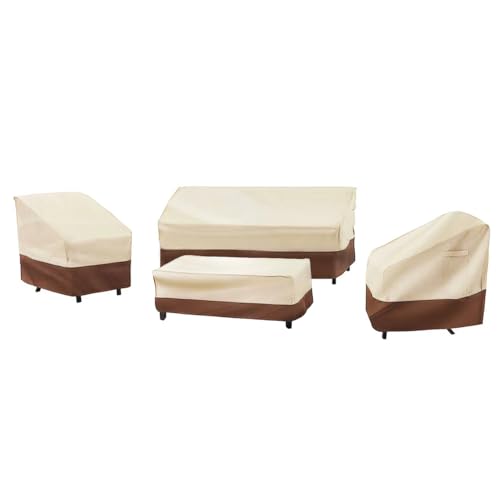
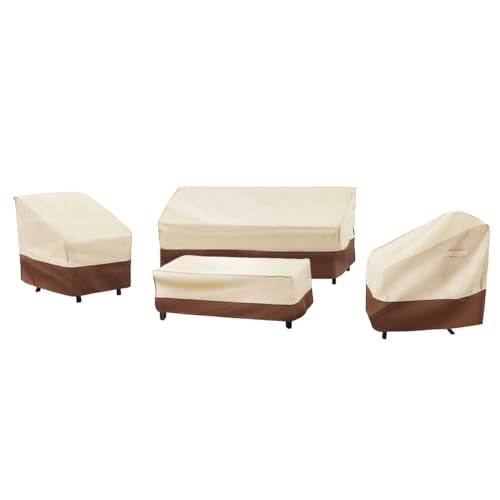
Utilize protective covers designed for specific types of relaxation and dining sets. These covers provide an effective barrier against both moisture and pests.
Consider investing in a dedicated storage shed or unit for your items during off-seasons. This keeps them safe and prevents unwanted visitors from nesting.
Ensure that all pieces are thoroughly cleaned and dried before putting them away. Residue from food or beverages can attract rodents.
Opt for stackable options when possible, as they minimize space and reduce the chances of animals finding shelter.
If permanent storage isn’t feasible, elevate items off the ground on racks or pallets. This can deter creatures from making a home beneath them.
Seal gaps or holes in any storage area where items will be kept. This restricts entry points for potential intruders.
Maintain a Clean Outdoor Environment
Regularly remove debris, such as leaves, grass clippings, and food remnants, from the vicinity of seating areas. This minimizes potential nesting sites and food sources for unwanted rodents. Rotate the cushions frequently and store them indoors or in sealed containers while not in use to discourage visitors.
Cleaning surrounding surfaces with vinegar or citrus solutions not only keeps the area tidy but also helps reduce odors that attract pests. Consistently check and maintain garden areas, eliminating tall grass and weeds that might provide shelter.
Utilize trash receptacles with tight-fitting lids, ensuring no food scent escapes to draw interest. Regularly inspect and clean barbecue equipment and outdoor kitchens, as spills can attract unwanted guests.
Consider implementing a perimeter barrier with gravel or stones to make access less accessible. Incorporating gravel not only enhances aesthetics but also disrupts the travelling path for critters.
Engaging in community clean-up initiatives can also be beneficial, as a collective effort strengthens sanitation efforts across shared spaces. The cleaner the environment, the lesser the allure for any uninvited critters.
Install Physical Barriers to Deter Rodents
To create an effective defense against unwanted critters, I recommend implementing sturdy barriers. Solid options include metal mesh or hardware cloth, which can be applied around the base of seating arrangements or tables. Ensure that the mesh has openings small enough to prevent entry while allowing ventilation.
Recommended Barrier Specifications
| Material | Opening Size | Installation Method |
|---|---|---|
| Steel Mesh | 1/4 inch | Attach to ground with stakes or bury edges |
| Hardware Cloth | 1/2 inch | Secure with staples or screws to wooden frames |
Prevent potential nesting by elevating wooden items on platforms or using concrete blocks as bases. This minimizes contact with the ground where these pests thrive. Seal any gaps or entry points in structures, including porches or decks, using caulk or expanding foam. Regularly inspect these barriers to maintain their integrity and effectiveness.
FAQ:
What are the best materials for outdoor furniture that deter mice?
Choosing materials that are less appealing to mice can help keep them away from your outdoor furniture. Metal furniture, for instance, is a less inviting option since mice prefer warmer, more comfortable materials like wood or fabric. Additionally, high-density resin or plastic can be effective, as these materials do not provide the same nesting opportunities as cushions or upholstery. When selecting outdoor furniture, consider items with a smooth finish that are harder for mice to grip or nest in.
How can I make my outdoor space less attractive to mice?
To make your outdoor area less inviting to mice, keep it tidy by regularly cleaning up debris, leaves, and food remnants. Store any outdoor cushions, throws, and other soft materials in sealed containers when not in use. Ensure that garbage bins are tightly closed and limit bird feeders where spilled seeds can attract mice. Additionally, trimming shrubs and plants close to your furniture can eliminate potential hiding spots for these pests.
What natural repellents can I use to keep mice away from outdoor furniture?
There are several natural repellents you might consider. For example, peppermint oil is known for its ability to deter mice. You can soak cotton balls in peppermint oil and place them around your outdoor furniture. Other options include using a mixture of water and vinegar, or placing cayenne pepper around the furniture, both of which can create a scent barrier that mice tend to avoid. Regularly replenishing these repellents will enhance their effectiveness.
What specific traps or deterrents are available for outdoor environments?
When dealing with mice outdoors, several traps can be effective. Snap traps are traditional and can be placed around furniture or areas of high activity. Additionally, electronic traps offer a humane option by killing rodents instantly. If you’re looking for something less lethal, consider using catch-and-release traps. You can also invest in ultrasonic pest repellents that emit high-frequency sounds to keep mice at bay without harming them.
How can landscaping impact the likelihood of mice around my furniture?
The way you landscape your outdoor space can greatly influence the presence of mice. Dense shrubbery, tall grass, and piles of leaves provide excellent hiding spots for mice. To reduce the likelihood of nesting near your furniture, maintain clear landscaping by trimming back overgrown plants and removing any clutter. Creating a barrier, such as rock or gravel, around the area can also deter mice by making it less comfortable and accessible for them.
What are some natural ways to deter mice from outdoor furniture?
There are several natural methods to keep mice away from outdoor furniture. One effective approach is to use strong scents that mice dislike. For example, peppermint oil can be sprayed around furniture surfaces to create an unpleasant aroma for the rodents. Another option is to use a mixture of water and vinegar, as the smell can act as a deterrent. Additionally, planting certain herbs, like rosemary or mint, nearby can help create a natural barrier. Keeping the area clean and free of food remnants is also crucial, as it reduces the attractions for mice.