
 Caleb Turner
The first and simplest approach I found effective is using a rubber glove. Just dampen it slightly and run your hand over surfaces. The static electricity helps attract and lift the strands clinging stubbornly to upholstery.
Switching to specific fabric choices can also significantly reduce the annoyance of these materials embedding themselves in your seating arrangements. Leather, microfiber, and tightly woven fabrics tend to resist fiber accumulation, making maintenance much easier in the long run.
An anti-static spray can be a surprising yet useful ally. Spraying it lightly on your furniture not only helps minimize static cling, but also makes it easier to remove excess fur during regular cleaning sessions. This added layer of protection can prove invaluable in preserving the cleanliness of your living space.
Additionally, regular grooming rituals with your pet serve a dual purpose. Frequent brushing leads to less noticeable fur fallout inside the home, allowing you to enjoy their companionship without the constant battle against unwanted remnants.
Choose the Right Fabrics for Your Furniture
Opt for tightly woven materials such as microfiber or canvas, which are less likely to attract and hold onto pet fibers. These fabrics make it easier to brush or vacuum away any debris.


Consider leather or faux leather as well. Smooth surfaces discourage cling, and they can be wiped down quickly for maintenance. Additionally, they are less absorbent, reducing odor retention.
Furniture made from denim or outdoor-grade fabrics can also be practical choices. These materials typically resist wear and tear while offering durability against inevitable spills and accidents.
Avoid looser weaves like chenille and fluffy textures. These may entice fibers to nestle deeper into the fabric, making it hard to remove them efficiently.
Selecting darker colors can help hide any residual particles, providing a practical visual solution as well. While lighter shades might look appealing, they could showcase fibers more prominently.
Incorporate slipcovers crafted from washable materials. This allows for simple cleaning and helps maintain a fresh appearance over time. By choosing the right fabrics, managing the presence of unwanted fibers becomes smoother and more manageable.
Use Pet Hair Resistant Covers
I recommend investing in covers specifically designed to resist fur. These covers create a barrier that minimizes the cling of strands to surfaces.
Here are the features to look for:
- Material: Opt for tightly woven fabrics that prevent fur from embedding.
- Texture: Smooth finishes discourage hair from sticking. Consider fabrics like microfiber or treated cotton.
- Fit: Ensure the cover fits snugly and securely over your upholstery to reduce movement and entry points for fur.
- Washability: Choose covers that are machine washable for easy maintenance.
Additionally, consider options with anti-static properties. These fabrics repel fur and make regular cleaning easier. Try a cover with a waterproof barrier for added protection against spills.
For aesthetic purposes, there are stylish slipcovers that blend seamlessly with your decor. They not only serve functionality but also enhance the visual appeal of your space.
Regularly Groom Your Pup
Establish a consistent grooming routine to minimize the presence of fur on surfaces. A weekly brushing session can significantly reduce loose strands, and I find it helpful to choose a brush that suits my pet’s coat type, whether it’s a slicker brush for medium to long hair or a rubber bristle brush for short-haired breeds.
Tools and Techniques
Invest in high-quality grooming tools like de-shedding gloves or specialized combs. These tools not only help catch fur effectively but also provide a relaxing experience for my companion. Bathing my pet every month with appropriate shampoo can further decrease shedding, as it helps to remove dead fur and dander.
Positive Reinforcement
I make grooming sessions enjoyable by incorporating treats and praise. This encourages my pet to cooperate, making the process smoother and more effective. Rewarding my furry friend during and after grooming fosters a positive relationship with the experience.
Implement a Cleaning Routine
Establish a schedule for cleaning surfaces where pet fur tends to accumulate. I recommend setting aside time at least twice a week for this task. Use a vacuum cleaner equipped with a HEPA filter to efficiently capture allergens and fur. Keeping a lint roller handy can help with quick touch-ups between thorough cleanings.
Incorporate microfiber cloths into your routine; they are excellent at trapping fur and dust. For upholstery, a damp cloth can also be effective. Wipe down surfaces regularly, including chairs, sofas, and tables. Avoiding static when cleaning can minimize static cling, making it easier to remove any stray fibers.
Use rubber gloves to effectively gather stubborn strands from fabric. Simply rub your gloved hand over the affected area, and watch as the fur clumps together for easy removal. This method is particularly useful for delicate materials that may be damaged by harsher cleaning tools.
Don’t overlook the importance of regular deep cleaning. Every few months, consider professional cleaning for upholstery and carpets. This helps in maintaining a fresh environment and minimizes build-up over time.
Finally, create a designated area for pets. By limiting access to certain spaces, I reduce the overall presence of fur in the living areas, making routine cleaning more manageable.
Utilize Lint Rollers and Sticky Sheets
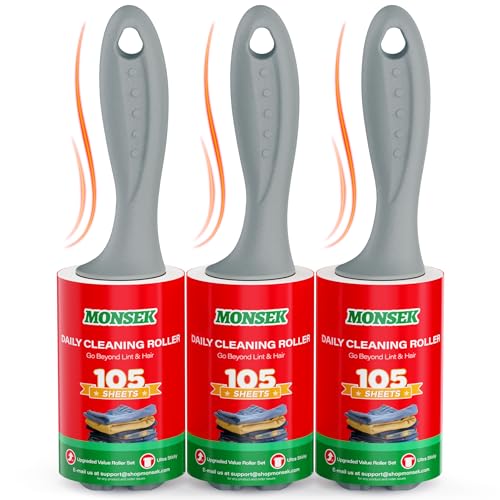
For immediate removal of unwanted fibers from surfaces, I recommend keeping lint rollers or sticky sheets on hand. These simple tools are designed for quick cleanup, making them incredibly effective for dealing with the persistent problem of fibers on upholstery and clothing.
Choosing the Right Lint Roller
Select a lint roller that features strong adhesive sheets. Ensure that the roller has a sturdy handle for easy maneuvering. Opt for larger rollers if you often clean bigger surfaces, as they’ll save time and effort. I usually prefer the ones with extra sticky sheets for tougher jobs.
Usage Tips
Roll the device in short, overlapping strokes across the area needing attention. Start from one end and work your way to the other, ensuring that the adhesive picks up as much as possible. For stubborn spots, press down a little harder or make a few passes. Once a sheet is full, simply peel it away to reveal a clean surface underneath.
| Tool | Benefits | Usage Frequency |
|---|---|---|
| Lint Roller | Quick and efficient removal of fibers | Daily or after heavy shedding |
| Sticky Sheets | Great for crevices and hard-to-reach areas | Weekly or as needed |
Incorporating these tools into your cleaning routine not only maintains a tidy environment but also makes the process less time-consuming. I find that having them readily available encourages regular maintenance, preventing excessive buildup over time.
Invest in a Quality Vacuum with Pet Attachments
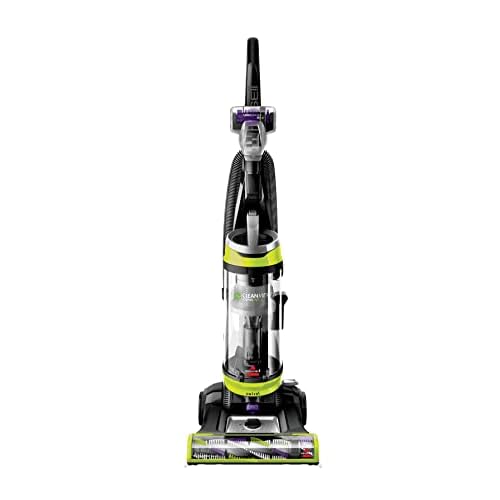
The right vacuum cleaner can significantly ease the removal of fur from various surfaces. I recommend choosing a model specifically designed for pet owners, featuring powerful suction and specialized tools. Look for attachments like motorized brushes and crevice tools that effectively reach tight spaces and upholstery.
Opt for a vacuum with a HEPA filter, which captures allergens and small particles, ensuring cleaner air while you tidy your living space. A self-cleaning brush roll can prevent clogs caused by tangled fur, making maintenance simpler.
Consider the vacuum’s weight and maneuverability; lightweight models are easier to transport and use in different rooms. Cordless options provide the freedom to clean without being tethered to an outlet. Durability is key, so investing in a reputable brand can pay off in the long run.
Regularly check and replace filters and bags to maintain peak performance. By integrating this tool into my cleaning routine, I’ve noticed a marked reduction in clingy fur on my surfaces.
Try Electrostatic Cleaning Tools
Using electrostatic cleaning tools significantly helps eliminate lint and fur from various surfaces. Electrostatic dusters and cloths attract debris through static electricity, making removal simple and efficient. I recommend selecting tools specifically designed for pet owners, as they often feature enhanced capabilities to capture finer particles.
For optimal results, integrate these tools into your cleaning routine post-grooming sessions or after playtime. Quick passes over chairs, sofas, and tables collect clingy fur that vacuums might miss. When choosing an electrostatic duster, look for features like washable materials to save costs and promote sustainability.
Additionally, consider utilizing these tools on various surfaces beyond textiles, such as blinds, shelves, and decorative items, ensuring a thorough clean throughout your space.
Maintain a Clean Environment
Regular cleaning not only enhances the appearance of your space but also minimizes the accumulation of unwanted fibers. Here are practical steps you can take:
- Choose the Right Cleaning Products: Opt for a high-quality microfiber cloth or electrostatic dusters. These attract fur effectively and are reusable.
- Avoid Cloth Buildup: Limit decorative items like throws or cushions that can trap loose fibers. If you have them, select materials that repel debris.
- Control Air Quality: Use air purifiers with HEPA filters to reduce airborne particles. Regularly change or clean your HVAC filters, as they can trap residue.
- Seal Cracks and Openings: Check gaps in windows and doors. Sealing them prevents debris from entering your living area.
- Floor Maintenance: Hard surfaces should be regularly wiped with appropriate cleaners, as this prevents buildup that can get transferred onto other surfaces.
Incorporate Seasonal Deep Cleaning
Every few months, conduct a thorough deep clean of your space. This includes washing or steam cleaning upholstered items, checking behind and under furniture, and tackling hidden areas. The more diligent I am during these cleanings, the less work I have to do during routine tidying.
Utilize Smart Storage Solutions
Invest in storage options that keep clutter to a minimum. Hidden compartments or baskets not only organize but also ensure surfaces remain cleaner. The less out in the open, the fewer opportunities for fuzz to collect.
Consider Air Purifiers for Pet Dander
Investing in a high-quality air purifier significantly reduces allergens like dander and will help maintain a cleaner space. Look for models that feature HEPA filters, as they are designed to capture small particles effectively. Place the purifier in areas where your companion spends the most time, as this optimizes its performance.
Regularly replacing filters ensures maximum efficiency. Some air purifiers also come with activated carbon filters that can help eliminate odors, enhancing the overall air quality. Select a unit with adequate coverage for your room size; check the manufacturer’s specifications to determine appropriate square footage.
Consider running the purifier continuously for optimal results, especially during peak shedding seasons. Many modern devices include a quiet mode for nighttime use, so they won’t disturb sleep while still cleaning the air. Monitoring air quality indicators, if available, is beneficial for assessing the effectiveness of the system.
Lastly, combining the air purifier with other cleaning strategies, like regular vacuuming and grooming, enhances the overall cleanliness of your living space, leading to a more comfortable environment for everyone.


