
 Caleb Turner
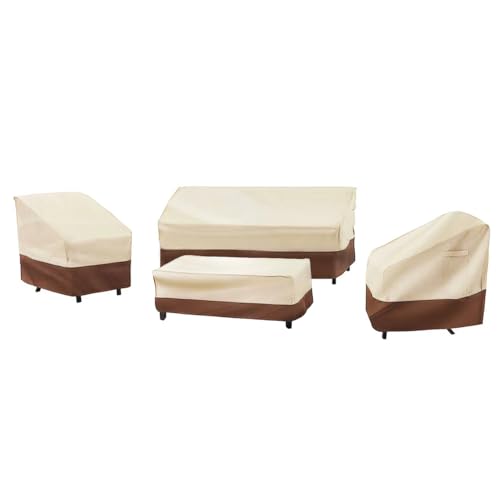
Applying a waterproof cover during the night provides an immediate solution to shield items from moisture accumulation. Investing in high-quality, breathable tarps or specialized outdoor covers can drastically reduce the effects of humidity.
I recommend strategically placing your items in a location that receives adequate sunlight throughout the day. Sunlight not only promotes faster drying but also creates a less favorable environment for condensation. Positioning them near heat sources can also help mitigate moisture retention.
Utilizing a dehumidifier in an enclosed space, like a gazebo or sunroom, is another effective strategy. Maintaining lower humidity levels indoors prevents moisture from settling on surfaces.
Regularly applying a protective sealant to wooden or metal items can create an additional barrier against moisture. This preventative measure is particularly useful in climates prone to high humidity.
Lastly, consider using silica gel packets or moisture absorbers in enclosed storage areas to combat excess humidity. These simple additions can make a significant difference in maintaining the integrity of your outdoor seating and tables.


Methods to Prevent Moisture on External Surfaces
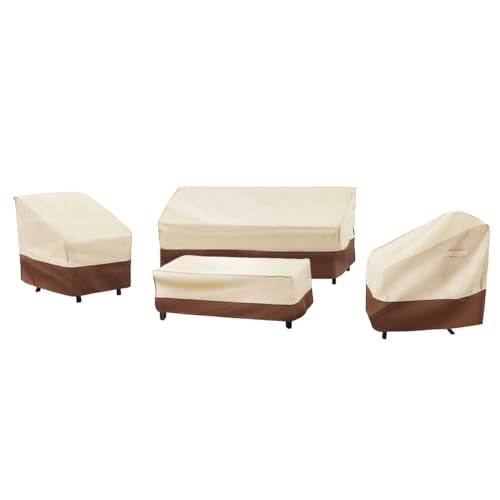
I recommend strategically placing covers over your seating arrangements and tables during the night. Customized or universal fit options are available, ensuring they remain dry until morning.
<p.Installing windbreaks or privacy screens can significantly reduce humidity buildup by enhancing air circulation around the area.
<p.Consider using moisture-resistant materials for your seating and tables. Options like aluminum, synthetic wicker, or treated wood help resist moisture better than traditional wood types.
<p.Regular maintenance, such as applying a protective sealant or water-repellent spray, can extend the lifespan of the items and prevent absorption of moisture.
<p.Using patio umbrellas or canopies can shield surfaces from direct condensation. Position them wisely to enhance airflow while reducing moisture retention.
<p.I also find it beneficial to ventilate the area. Raising furniture slightly off the ground prevents contact with wet grass and allows airflow underneath.
<p.Setting up heat sources, even subtle ones like outdoor lamps, can also help mitigate moisture levels in cooler climates, deterring condensation build-up on surfaces.
<p.Opting for sloped modular designs can facilitate drainage, aiding in the quick runoff of rain or dew, thus minimizing moisture contact on your external pieces.
<p.Lastly, regular cleaning to remove accumulated dust and debris allows for better air circulation, further helping to manage moisture levels effectively.
Select the Right Materials for Your Outdoor Setup
Opt for materials that repel moisture effectively. Aluminum and stainless steel are excellent choices due to their rust-resistant properties. I recommend checking if the manufacturer specifies a powder coat finish, which adds an extra layer of protection against corrosion.
Wood Alternatives
If you prefer wood, select varieties such as teak, cedar, or redwood. These species contain natural oils that inhibit moisture absorption, making them more suitable for wet conditions. Regular maintenance, like applying a sealant, enhances durability and resistance to water damage.
Composite Options
Consider composite materials that mimic wood while providing superior resistance to rot and decay. These blends are designed for weather durability and are often easier to clean, which benefits longevity. Be mindful of the UV resistance specified by the manufacturer to prevent fading over time.
| Material | Pros | Cons |
|---|---|---|
| Aluminum | Rust-resistant, lightweight | Can get hot in direct sunlight |
| Teak Wood | Natural oils, attractive appearance | Higher cost, requires maintenance |
| Composite | Durable, low maintenance | Can be heavier, may vary in appearance |
By selecting appropriate materials, I can significantly extend the lifespan of my outdoor arrangements and maintain their appeal throughout the seasons. Regular inspections and routine care will also contribute to the furniture’s resilience against moisture-related issues.
Use Furniture Covers for Protection
Selecting appropriate covers is an effective method for shielding your patio items from moisture accumulation. Look for high-quality materials that are waterproof and breathable, allowing air circulation while preventing water from penetrating.
Benefits of Furniture Covers
- Prevents the formation of condensation by creating a barrier against temperature changes.
- Reduces the time spent on maintenance and cleaning, keeping surfaces tidy.
- Extends the lifespan of materials by protecting them from harsh weather conditions.
Choosing the Right Covers
- Opt for UV-resistant fabrics to minimize sun damage.
- Ensure the covers fit snugly to avoid wind lifting them, which can expose items to moisture.
- Consider options with adjustable straps or buckles for added security.
Regularly checking the condition of the covers will enhance their performance and longevity. Storing them properly during off-seasons will preserve their quality, ensuring maximum protection for your belongings year-round.
Strategically Position Furniture to Minimize Dew Exposure
Place items away from grassy areas where moisture collects. Setting them on stone or concrete surfaces can significantly reduce water contact.
Orient seating towards the sun for direct exposure during early mornings, facilitating quicker drying. If possible, elevate pieces slightly to improve airflow underneath.
Utilize Natural Barriers
Incorporate shrubs or trees as shielding elements, which can reduce moisture settling. Positioning closer to walls or fences can also provide protection from prevailing winds that carry moisture.
Consider Shadowing Techniques
Arrange larger structures, like umbrellas or pergolas, strategically to provide shade during cooler, humid times. This can help in minimizing water condensation on surfaces.
Apply Protective Coatings to Furniture Surfaces
Applying a suitable protective coating to each surface of your garden pieces enhances their durability against moisture. A high-quality sealant or waterproof paint acts as a barrier, preventing moisture from penetrating the material. Choose products specifically designed for the type of material you have, such as teak oil for wooden items or specialized sprays for metal and plastic.
Types of Coatings
Consider using varnishes or polyurethane finishes for wooden seats and tables. These options provide a thick layer of protection that seals the wood effectively. For metal pieces, look for rust-inhibiting paints or sprays that will resist corrosion. If your items are plastic, choose UV-resistant coatings that prevent fading while also adding a layer of moisture resistance.
Application Process
Before application, ensure surfaces are clean and dry. Sand any rough spots on wooden structures to ensure an even coat. Apply the selected coating with a brush or spray, following the manufacturer’s instructions regarding drying time and number of coats. Regularly check your pieces and reapply when necessary to maintain optimal protection.
Implement Heat Sources to Reduce Moisture Accumulation
Installing heat sources around seating areas significantly reduces moisture presence. Consider patio heaters or heated mats for enhanced warmth. Strategically placing these devices can create a microclimate, lessening wet conditions at night.
Infrared Heaters
Infrared heaters are particularly effective as they warm surfaces directly rather than the air. Installing these near chairs or tables can help evaporate moisture quickly, keeping your seating area dry even in cool temperatures.
Fire Pits
A fire pit serves as a central gathering spot while providing warmth. The radiant heat not only creates a cozy ambience but also mitigates moisture on nearby surfaces. Ensure a safe distance from flammable materials when positioning.
Utilize Depots or Shelters for Overnight Storage
Investing in a dedicated storage solution is key for protecting your items from moisture. I recommend using shed structures or portable storage units that are waterproof and ventilated. This not only shields them from rain and high humidity but also extends the longevity of materials.
Locating a suitable shelter nearby makes the process convenient. Consider these factors when setting up:
| Factor | Recommendation |
|---|---|
| Size | Ensure the storage space can accommodate all pieces without crowding, allowing air circulation. |
| Accessibility | Choose a location that is easy to access, minimizing hassle during retrieval or storage. |
| Ventilation | Opt for areas that allow air flow to inhibit moisture buildup and prevent mold growth. |
| Security | Install locks or choose a secure location to protect your items from theft or vandalism. |
By organizing a dedicated area for your collection, I’ve found that it eradicates the risk of unexpected weather exposure, keeping the items in pristine condition. Utilizing depots or shelters can be a straightforward yet highly beneficial strategy for maintaining your outdoor assets.
Choose Locations with Good Air Circulation
Opt for areas with ample airflow when setting up your seating arrangements. This choice plays a crucial role in reducing moisture accumulation on surfaces.
Identify Key Factors
- Locate spots away from dense vegetation and trees that trap humidity.
- Avoid corners or enclosed spaces where air movement is limited.
- Select elevated positions, such as patios or decks, which naturally allow for better ventilation.
Positioning Tips
- Arrange items in a staggered pattern to enhance airflow between pieces.
- Consider the prevailing winds in your area when deciding on the layout.
- Regularly assess your setup; adjust positions to respond to seasonal changes in wind patterns.
By thoughtfully choosing locations, I can effectively minimize moisture retention and prolong the life of my exterior set.
Clean Furniture Regularly to Prevent Moisture Build-Up
Regular cleaning of my outdoor seating and tables is crucial. I focus on removing dirt, dust, and organic debris that can retain moisture.
My routine includes:
- Using Mild Soap and Water: I mix a gentle soap with water to wipe down surfaces.
- Soft Brushes: A soft-bristled brush helps me reach crevices where moisture can hide.
- Drying Thoroughly: After washing, I ensure the items are dried completely to inhibit mold and mildew growth.
Frequency matters; I clean these pieces every couple of weeks, especially during wet seasons. This prevents moisture accumulation, leading to longer-lasting materials and reduced risk of damage.
Using a dedicated cloth exclusively for cleaning exterior spots also aids efficiency and keeps potential contaminants at bay.
Consider the Seasonality of Outdoor Furniture Use
Plan your utilization according to seasonal weather patterns. In cooler months, keep these pieces covered or stored away to prevent moisture accumulation. The ideal time for outdoor enjoyment is during dry spells; frequent checks of weather forecasts will help you anticipate and adjust accordingly.
Tailor Maintenance Routines
Adapt cleaning schedules based on temperature fluctuations. More rigorous cleaning may be needed before seasons of heavy rainfall. In contrast, dry seasons allow for minimal maintenance, focusing instead on protecting surfaces from dust and debris.
Utilize Seasonal Accessories
Incorporate accessories that complement weather changes. Choose breathable cushions and textiles designed for moisture resistance during humid seasons, while offering warmth with heavier materials in winter months. This approach not only enhances comfort but also prolongs the lifespan of your investment.


