
 Caleb Turner

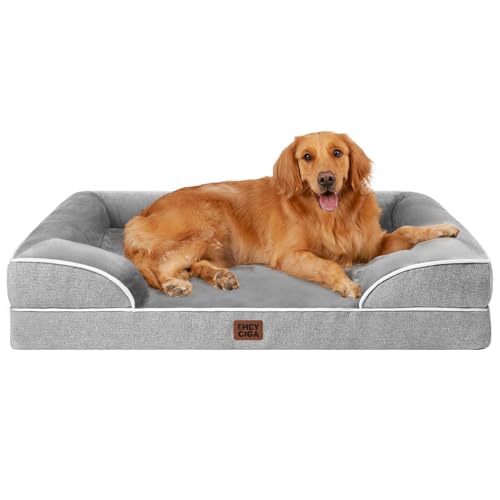
One of the most straightforward solutions I found was to create a designated area for my pet to relax. By placing a comfortable bed or mat in a specific corner, I redirected their attention away from my couches and chairs.
Additionally, I implemented consistent training techniques. Whenever my four-legged friend approached the furniture, I would gently guide them back to their space while offering praise for compliance. Using positive reinforcement is key to establishing new habits.
Engaging in regular physical activity has also played a significant role. A well-exercised canine tends to have less pent-up energy, reducing the desire to scratch or lean against household items. Daily walks or play sessions worked wonders in this respect.
Lastly, utilizing pet-safe deterrent sprays on surfaces can discourage unwanted contact. These products, while harmless, have scents that most animals find unappealing, keeping them at bay. Combining these strategies has allowed me to maintain a harmonious living space.
Strategies to Deter Canine Behavior on Household Items
Consider employing a pet-deterrent spray on surfaces where your companion tends to express this behavior. These sprays contain scents that are unpleasant for animals, discouraging them from approaching those areas.

Redirect attention using toys or engaging activities. Keep an array of stimulating chew toys accessible to draw their focus away from targeted areas.
Utilize positive reinforcement. When your furry friend opts for their designated spot or engages with a toy instead of a chair or couch, promptly reward them with treats or praise.
Implement physical barriers. Using couches covers or strategically placed furniture can minimize accessibility, creating a less inviting environment for those unwanted behaviors.
Establish regular exercise routines. Increasing daily physical activity can reduce excess energy, leading to less inclination to seek out alternative “play” zones like your belongings.
Consider consulting a trainer for specialized tactics. Professional guidance can provide tailored approaches to modify specific behaviors effectively.
Lastly, maintain consistency in your enforcement. Clear boundaries and expectations help in reinforcing the behavior changes you want to see.
Understanding the Reasons Behind Rubbing Behavior
I observe that this behavior often stems from various instincts and habits. In many cases, it’s a method of marking territory. My companion may rub against objects to leave their scent, signaling their presence in a space.
Seeking comfort can also drive this action. The textures of surfaces may provide a soothing sensation, especially after a long play session. It’s important to offer alternative, comfortable spots to redirect this urge.
Additionally, attention-seeking behavior can influence this action. When my pet receives a reaction, whether positive or negative, it reinforces the behavior. Ignoring this can help in reducing frequency.
Lastly, health issues, such as skin irritations or allergies, might cause excessive rubbing. If I suspect discomfort, visiting the veterinarian for an examination is crucial to rule out any medical concerns.
Training Your Canine to Avoid Surfaces
Utilize positive reinforcement techniques to condition your pet against approaching or leaning on surfaces. Start by designating a specific spot, such as a dog bed or mat, where your companion can comfortably rest. Each time your furry friend chooses this area instead of the prohibited zones, reward them with treats and praise.
Implement Consistent Commands
Establish clear verbal cues such as “off” or “no” every time the animal attempts to make contact with unwanted areas. Be consistent in your commands and follow up with a redirect to their designated space. Repeat this process daily to reinforce the behavior, ensuring your verbal cues are recognized.
Create Barriers
Establish physical boundaries using pet gates or furniture covers while training. These barriers serve as an initial deterrent while your friend learns the appropriate places to lounge. Gradually remove the barriers as their training progresses, maintaining vigilance to avoid reverting to previous habits.
Providing Alternative Scratching Surfaces
Offer specialized scratching posts or pads made of durable materials. These products are designed to withstand vigorous activity, ensuring your companion has the right outlet for their stretching and scratching needs.
Types of Scratching Surfaces
| Material | Function |
|---|---|
| Corduroy | Soft texture; encourages interaction. |
| Sisal | Robust and ideal for gnawing. |
| Carpet | Familiar texture; good for play. |
| Cardboard | Inexpensive; promotes chewing and scratching. |
Incorporate these surfaces around the house, particularly in areas where behavior has been problematic. Encourage frequent use through interactive play, offering praises or rewards when engaging with designated items. This reinforces positive habits while diverting attention away from household items.
Placement and Accessibility
Strategically position scratching alternatives near favored resting spots or areas where they tend to exhibit inappropriate behavior. Ensure they are easily accessible, encouraging your furry friend to explore different options without any hesitation.
Implementing Deterrents for Furniture Areas
To discourage your pet from making contact with specific areas, consider using physical barriers such as baby gates. This prevents access to prohibited zones and clearly establishes boundaries.
Utilize double-sided tape on surfaces where you want to discourage behavior. The unpleasant texture will deter your furry friend from leaning on or scratching the areas covered.
Aromatherapy as a Deterrent
Certain scents can repel pets. Citrus fragrances, such as lemon or orange, are often off-putting to many canines. Applying citrus-based sprays to the targeted areas can discourage unwanted contact.
Noise Makers
Sound can be an effective deterrent. Use noise-making devices, such as clanging metal or a can filled with coins, to startle your pet when they approach forbidden zones. This helps create an association between the sound and the unwanted behavior.
Creating a Comfortable Dog Space
Establish a designated area for your furry companion equipped with comfortable bedding and toys. This space should be away from high-traffic zones, ensuring a peaceful environment.
Selecting the Right Bedding
Choose soft, supportive bedding that meets your pet’s size and sleeping preferences. Consider investing in orthopedic beds for added comfort, especially for older or larger breeds.
Incorporating Engaging Elements
Add interactive toys and chew items that stimulate mental engagement. Rotate these regularly to maintain interest. Also, include some familiar blankets or items with your scent to provide a sense of security.
Ensure accessibility to water and consider placing a few treats in the area to make it more inviting. By creating a cozy retreat, your pet is less likely to seek comfort against furniture.
Ultimately, frequent visits to this space for positive reinforcement will encourage your pet to enjoy their own area, reducing unwanted behavior in living spaces.
Regular Grooming and Skin Care Tips
Establish a consistent grooming routine. Brush the coat at least once a week to remove loose hair and dirt. This not only helps in maintaining a clean appearance but also reduces skin irritation and itchiness.
Bathing Recommendations
Bathing should occur every 4-6 weeks using a mild canine shampoo. Excessive bathing can strip natural oils from the skin. Ensure to rinse thoroughly to prevent any residue that could lead to skin issues.
Skin Condition Monitoring
- Check for dryness, redness, or unusual bumps regularly.
- Look for signs of allergies, such as excessive itching or hot spots.
- Consult a veterinarian if abnormalities appear to rule out infections or parasites.
Hydration plays a key role. Ensure access to fresh water at all times, as proper hydration supports skin health.
Consider using topical conditioners or sprays designed for fur maintenance. These can enhance coat shine and help manage static or dry skin.
- Omega fatty acids, whether from diet or supplements, contribute to a healthy coat.
- Regular shampoo with soothing ingredients, like oatmeal, can alleviate irritation.
Trim nails regularly to avoid discomfort. Overgrown nails can cause behavioral issues and discomfort during movement.
Allergy Management
Pay attention to environmental allergens. Regular cleaning can reduce dust and pollen buildup, which can trigger skin problems. Vacuum frequently and use air purifiers if needed.
Establishing a grooming routine can significantly improve comfort levels and reduce the need for unwanted behavior on furnishings. By dedicating time to this aspect, a healthier and happier pet is achievable.


