Caleb Turner
Using non-slip pads or grippers is an effective strategy to secure your outdoor seat cushions. These accessories create friction against the surface, preventing unwanted movement during use.
Another solution involves Velcro straps. Attaching one side of the Velcro to the cushion and the other to the chair ensures that the covers remain anchored, even on breezy days.
Consider fabric choices that inherently offer better grip. Materials with textured surfaces provide additional stability, minimizing the chances of shifting.


Regular maintenance is necessary as well. Periodically checking and adjusting your setups helps maintain an optimal arrangement, ensuring comfort and safety while enjoying your outdoor space.
Strategies for Securing Outdoor Seating Upholstery
Utilize non-slip pads or strips specifically designed for seat accessories. These products can be affixed to the bottom of each piece, creating a frictional grip that helps maintain position during use.
Explore tie-downs or Velcro strips. By sewing or adhering these fasteners to the upholstery and framework, I ensure a snug fit that resists movement. Adjustability is an added benefit, allowing me to customize tension as needed.
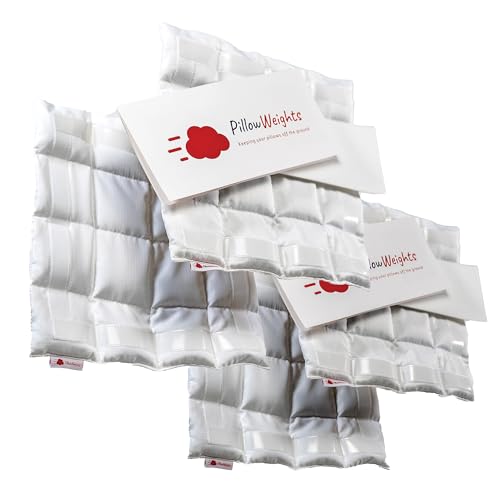
Consider adopting weighted covers. These covers can be placed over the seating elements, generating additional weight that keeps the upholstery anchored against wind and movement.
Regularly check the fabric condition. Worn or damaged materials can lose their grip; addressing issues promptly helps in maintaining a stable setup. Opting for fabrics with a textured surface can naturally enhance grip as well.
Assess seating angle and structure. If the framework is slightly slanted, adjusting or leveling it can minimize movement potential. Ensuring proper placement can lead to a more secure arrangement overall.
Incorporate decorative ties or bows. Fashioning these from matching material not only enhances the aesthetic but can act as functional components to hold upholstery in place during use.
Lastly, utilizing outdoor-specific products ensures durability against environmental elements while providing greater adherence. Choosing robust options enhances longevity and stability.
Choose Non-Slip Cushion Covers
Opting for non-slip cushion covers significantly enhances stability. These specialized fabrics feature textures or rubberized layers that grip surfaces, preventing movement during use. Always look for options specifically designed with anti-slip properties to ensure maximum adherence.
Materials to Consider
Natural fibers like cotton and polyester blends can offer durability alongside grip. Look for covers with textured weaves or rubberized backing for added friction. Avoid smooth materials, as they tend to slide easily, negating your efforts to secure seating.
Maintenance Tips
Regularly clean and inspect covers for wear and tear. A well-maintained cover not only looks better but also performs better, ensuring that all seating remains in place. Wash according to the manufacturer’s instructions to keep the anti-slip properties intact.
Utilize Cushion Clips and Straps
To secure your seating pads and prevent movement, I recommend using specific clips and straps designed for this purpose. These accessories attach directly to the seat and the backing of the cushioning. This method ensures a snug fit, even during windy conditions.
Types of Clips and Straps
Consider options such as adjustable nylon straps or snap-on clips, which can accommodate various sizes of seating arrangements. Straps often come with hooks that can be easily fastened to the underside of the furniture, while clips are designed for ease of use without any need for tools. Both choices are effective in keeping the upholstery in place.
Installation Tips
For optimal results, I suggest placing the clips at the corners of the cushion for maximum grip. Ensure the straps are not overly tight to avoid discomfort when sitting. Regularly checking the attachments for wear and tear will prolong their lifespan, giving you a stable sitting surface throughout use.
Add Velcro Strips for Stability
Applying Velcro strips to the underside of cushions and furniture surfaces creates a secure connection that minimizes movement. Measure specific areas on both the cushion and the seating surface, ensuring proper placement for optimal grip. Cut the Velcro strips to fit these dimensions, making sure to select a heavy-duty version to withstand outdoor conditions.
Application Process
Before attaching, clean the surfaces thoroughly to enhance adhesion. Peel off the backing from one side of the Velcro and press it firmly onto the furniture, then repeat the process for the cushions. For best results, allow the adhesive to cure as per the manufacturer’s guidelines before using the seating.
Maintenance Tips
Regularly check the condition of the Velcro to ensure it remains effective. If you notice any wear or reduced stickiness, consider replacing the strips to maintain stability. This simple addition enhances safety and comfort, making any outdoor area more enjoyable.
Consider Weighted Cushion Options
Choosing cushions with integrated weights can significantly reduce movement. These specially designed items are heavier than standard versions, allowing them to stay firmly in place even during breezy conditions. Look for varying weight options to find the balance that suits your outdoor space.
Weighted Inserts
Another effective choice is to use weighted inserts. They can be placed inside cushion covers, providing added stability without altering the overall aesthetic. Materials like small beads or sand are common and can be found at craft stores.
Custom Solutions
If off-the-shelf products are insufficient, consider custom-made seating accessories that include weighted bases. Engaging a local upholstery shop can yield tailored designs, ensuring a snug fit on any seating arrangement.
Use Rubberized Mats Underneath Cushions
To enhance grip and stability, I recommend using rubberized mats beneath seat pads. These mats create a non-slip surface that minimizes movement. Select mats specifically designed for outdoor use, ensuring durability and resistance to weather elements.
When choosing rubberized mats, consider thickness and texture. A thicker mat offers better cushioning and grip. Look for surfaces with a raised pattern or texture that helps the cushions latch onto the mat, preventing undesired shifts.
Installation is straightforward: simply cut the mats to fit your seating area and place them directly beneath each cushion. Regularly check for any wear and replace them when necessary to maintain their effectiveness.
Here’s a simple table outlining the advantages of using rubberized mats:
| Advantage | Description |
|---|---|
| Enhanced grip | Prevents movement of pads during use. |
| Weather-resistant | Durable against outdoor elements. |
| Cushioning | Adds extra comfort to seating. |
| Customizable | Easily cut to fit any size or shape. |
This method successfully combines practicality and comfort for a more enjoyable outdoor experience.
Regularly Maintain and Clean Furniture
Perform routine checks on outdoor seating arrangements to prevent wear and tear. Regular cleaning not only improves aesthetics but also prolongs the life of furniture components.
Cleaning Techniques
- Use a mild soap and water solution for wiping surfaces. Avoid abrasive cleaners that can damage finishes.
- Apply a soft brush or cloth to remove dirt and debris from hard-to-reach areas.
- For fabric surfaces, consider a gentle upholstery cleaner suitable for outdoor materials.
Inspection Checklist
- Examine the framework for rust or corrosion. Address any signs of damage immediately.
- Check the integrity of seams on fabric and secure any loose threads before they worsen.
- Inspect any fasteners or fittings for looseness; tighten as necessary to ensure stability.
By prioritizing maintenance and cleanliness, I can create a more enjoyable and safer space for relaxation outdoors. Regular upkeep transforms a neglected area into an inviting retreat, making my outdoor experience far more pleasurable.
Store Cushions Properly During Off-Season
During the off-season, it’s crucial to store textiles appropriately to extend their lifespan. Begin by cleaning each piece to remove dirt and moisture. This prevents mold and mildew during storage.
Utilize breathable storage bags or bins. Opt for containers made of materials that allow air circulation, which helps to avoid dampness and odors. Avoid plastic bags, as they trap moisture.
Choose a Dry Location
Find a cool, dry space for storage. Avoid areas that experience extreme temperature fluctuations or high humidity. A dedicated closet or basement with controlled conditions works best.
Use Proper Stacking Techniques
When stacking, lay flat layers of textiles. Avoid compressing them tightly, as this can lead to creasing and deformation. If space permits, store vertically to maintain their shape.
Regularly check the stored items throughout the off-season to ensure they’re in good condition and free from any signs of pests or moisture. Following these steps preserves the aesthetics and functionality of outdoor seating elements for the next season.