Caleb Turner

Utilizing double-sided tape on surfaces can deter your furry companions from making themselves comfortable where they shouldn’t be. The sticky texture is usually unappealing for them, prompting them to seek alternative resting spots.
Incorporating vertical spaces, such as cat trees or shelves, offers appealing alternatives for climbing and lounging. Positioning these structures close to the areas they usually target encourages them to use designated spaces instead.
Employing motion-activated devices that emit a harmless burst of air or noise when triggered can also discourage unwanted visits to specific areas. These gentle deterrents can quickly teach them boundaries without causing harm.
Providing plenty of enriching activities, such as toys or puzzle feeders, can keep their attention occupied while you’re away. Keeping their minds engaged reduces the likelihood of them seeking out your furniture for entertainment.


Last but not least, using a scent that cats dislike, like citrus or lavender, can be a helpful addition. Spraying these scents on the surfaces you want to protect can create a less inviting environment for your pets.
Methods to Deter Your Feline from Surfaces
Using double-sided tape on the surfaces makes them less appealing for climbing. The sticky texture discourages your furry friend from settling in.
Setting up barriers like pet gates can restrict access to certain areas, preventing your companion from reaching those tempting spots.
Providing alternative resting spots creates an inviting environment elsewhere. Consider cat trees or cozy beds that attract attention and provide comfort.
Employing deterrent sprays, formulated specifically for felines, can help in repelling them. These scents create an aversion to specific locations.
Making noise with motion-activated devices can startle your pet away when they attempt to jump on surfaces, effectively diverting their actions.
Maintaining a routine of playtime before you leave can tire them out, reducing their urge to explore surfaces in your absence.
Understanding Your Cat’s Behavior
Recognizing the natural instincts can significantly influence my approach. Felines are driven by the need to scratch, climb, and explore. Providing appropriate alternatives redirects that energy effectively.
Observation is key. I spend time watching how my pet interacts with different environments. This helps in identifying favorite spots and preferred activities, enabling me to tailor solutions that cater specifically to those interests.
Positive reinforcement works wonders. Every time I notice my feline choosing an appropriate scratching post or play area, I reward that behavior with treats or affection. This creates a positive association that encourages similar choices in the future.
Consistency helps establish boundaries. I consistently redirect my feline from undesired areas back to designated play zones. Eventually, persistence yields results, leading to better habits.
Environmental enrichment is essential. I keep stimulating toys and vertical spaces available to engage my pet mentally and physically. A well-entertained feline is less likely to seek out alternative resting places.
Stress can trigger unwanted behaviors. Maintaining a calm environment with minimal disruptions can help my pet feel secure. Understanding triggers allows me to make adjustments to the household routine.
Lastly, knowing about different breeds informs my choices. Some types possess higher energy levels and require more playtime, while others enjoy lounging. Tailoring my strategies to fit my feline’s unique personality makes a noticeable difference.
Choosing Deterrents That Work
Utilize motion-activated devices to create a surprise. These sensors deliver a harmless burst of air or sound to startle any curious creature, teaching them to steer clear of certain areas.
Consider double-sided tape on surfaces. The sticky texture is off-putting, discouraging unwanted landings and making certain spots less appealing.
Natural repellents can be a game-changer. Citrus scents, for instance, often repel due to their strong aroma. A diluted solution can be sprayed in tempting zones.
Ultrasonic devices emit high-frequency sounds that humans can’t hear, but can effectively deter those with a sensitive hearing range. Position these strategically in various rooms.
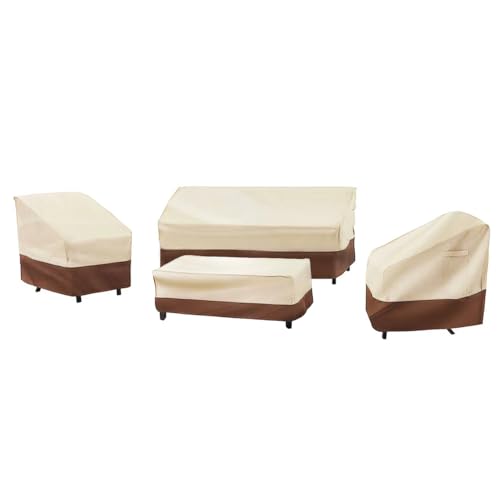
Lastly, physical barriers prove useful. Pet gates or furniture covers act as a simple blockade, ensuring that restricted areas remain untouched.
| Deterrent | Description | Effectiveness |
|---|---|---|
| Motion-Activated Devices | Emit sound or air when movement is detected. | High |
| Double-Sided Tape | Adhesive texture discourages climbing. | Moderate |
| Citrus Repellents | Natural repellents with strong scents. | Variable |
| Ultrasonic Devices | Emits unpleasant sounds undetectable to humans. | High |
| Physical Barriers | Fences or covers to block access. | High |
Utilizing Cat Repellent Spray
Choose a repellent that features natural ingredients like citrus or herbal extracts. These scents are known to deter felines due to their sensitive olfactory systems. Before applying, test the spray on a small, inconspicuous area of the surface to ensure compatibility with the material.
Application Tips
Spray the product generously on areas you want to protect, reapplying every few days for optimal results. Apply after cleaning surfaces, as residues might alter its effectiveness. Consider using it around edges or corners where your pet tends to jump up.
Safety Precautions
Always check the ingredients for any potential allergens. Ensure the space is well-ventilated during application. Avoid areas where food or water bowls are placed to prevent any accidental ingestion. Store the repellent in a location out of reach to avoid unwanted contact with pets.
Implementing Furniture Covers
To protect my upholstery and keep my feline friends at bay, I opted for durable furniture covers. I chose covers made from scratch-resistant materials that not only resist fraying but also keep my couches safe from claw marks.
When selecting covers, I focused on those with non-slip backing to ensure they stay in place even with all the jumping and climbing. It’s important to pick a design that complements my interior while also being easy to clean. Many covers are machine washable, which makes maintenance straightforward.
I also experimented with various textures. Cats are often drawn to certain fabrics, so I selected smoother options that are less appealing to their paws. This slightly alters the comfort level but significantly minimizes their desire to lounge on my seats.
In addition to covers, I made sure to layer them over areas that my pets prefer. I would periodically rotate them to keep the experience fresh. This strategy disrupts their habits and encourages them to find new favorite spots that don’t involve my cherished seats.
Lastly, I always have extra covers on hand for spontaneous gatherings or when I transition between seasons. By consistently employing protective layering, I manage to preserve my furniture while also ensuring my pets feel included in the household without risking damage to my belongings.
Setting Up Cat Trees and Scratching Posts
Establishing dedicated structures can significantly divert feline attention away from your belongings. Start by placing cat trees and scratching posts near the areas where they typically prefer to lounge or scratch. Opt for multi-level trees that offer climbing opportunities, hiding spaces, and platforms for surveying their environment.
Choosing the Right Location
Position the cat tree in a low-traffic area to encourage exploration without disturbance. Ensure it’s close to windows or other stimulating views, as this will attract your pets and keep them engaged. If possible, create a mini-adventure zone by situating the posts and trees within sight of each other, enabling easy access for climbing and jumping.
Materials and Features
Select sturdy materials that can withstand constant use. Sisal-wrapped posts serve as ideal scratch surfaces, reducing the temptation to damage your sofa or chairs. Incorporate various textures, such as carpet or soft fabric, to provide a diverse experience for your pets. Adding toys or dangling feathers can further entice them to use these designated structures instead of your belongings.
Regularly rotate their toys and reposition elements on the structures to maintain interest; novelty encourages continued engagement. Observing their usage patterns can help adjust placements and enhance their playtime experience.
Using Motion-Activated Devices
Motion-activated devices offer a practical solution for deterring pets from accessing certain areas. I recommend deploying these devices strategically in spaces where you don’t want your feline to roam. Look for sensors that emit sound or use air blasts to startle wanderers immediately upon detection.
Types of Motion-Activated Tools
Ultrasonic repellers are popular choices; they emit high-frequency sounds that only animals can hear, causing disruption without affecting humans. For those who prefer a more tactile response, air jets can be effective; they gently expel a puff of air whenever movement is detected. Both options can be set up discreetly around prohibited zones.
Placement Tips
Position devices near entry points or common perches to maximize their impact. Ensure that the sensors have an unobstructed view for optimal performance. Combining multiple units can create a more effective barrier, reinforcing the idea that certain areas are off-limits. Regularly check the batteries and settings to maintain functionality for long-term prevention.
Training Techniques for Cats
Utilize positive reinforcement to modify behavior effectively. Reward desired actions, such as staying away from specific areas, with treats or praise. Consistency is key; ensure that rewards are given immediately after the behavior.
Introduce clicker training as a method to communicate precise moments of good behavior. A click sound followed by a reward reinforces the connection between the action and the reward, making the training process clearer for your feline companion.
Establish a routine. Cats thrive on consistency, so creating a structured environment reinforces expectations. Routine interactions can help redirect their attention away from prohibited areas.
- Schedule playtimes to divert their energy and keep them engaged.
- Incorporate interactive toys that challenge them mentally and physically.
Use pre-training physical boundaries. Before leaving, close doors or use pet gates to limit access to certain spaces. This not only protects your belongings but also reinforces the idea of boundaries.
Gradually increase independence by practicing short departures. This helps them adjust to being alone and reduces anxiety, which can lead to undesired behaviors such as jumping onto surfaces.
Incorporate additional distractions. Place enticing alternatives nearby, such as a scratching post or a cozy bed, welcoming them to use these preferred areas instead.
Avoid negative consequences; instead, redirect behavior by leading them to appropriate areas while gently discouraging unwanted actions. Patience during this training phase fosters a better understanding of anxious behaviors.
Creating an Enriching Environment
Providing a stimulating setting is crucial. Incorporate multiple levels of play for mental engagement. Use shelves or perches that allow your feline to explore vertical spaces.
Introduce interactive toys that promote activity. Consider puzzle feeders that reward problem-solving with treats. Rotate toys regularly to maintain interest and engagement.
Plants can also enhance the environment. Choose cat-safe options like catnip or valerian, which can encourage play and exploration while remaining safe.
- Install scratching posts in various materials, such as sisal or cardboard, to cater to individual preferences.
- Designate a specific area for playtime with a variety of toys to engage their hunting instincts.
- Create cozy hideaways using tunnels or boxes, offering a safe retreat for relaxation.
Regularly schedule interactive play sessions. Use feather wands or laser pointers to encourage exercise and bonding.
Maintaining a clean, organized space contributes significantly to their happiness. Frequent cleaning of litter boxes and areas where they spend time will ensure they feel secure and content.
Finally, consider multimedia stimulation. Soft music or nature sounds can create a relaxing atmosphere, enhancing their overall experience in your shared space.