
 Caleb Turner
Utilizing motion-activated deterrents proves to be an effective method for safeguarding your patio or garden seating from unwelcome visitors during nighttime hours. These devices emit sounds or bursts of light, startling animals and encouraging them to move along.
Another approach involves rearranging your space. By placing physical barriers such as planters or decorative screens around the seating area, you create an uninviting environment for curious animals seeking a comfortable spot to rest.
Consider using specific repellents available in pet stores. Natural options, like citrus peels or vinegar, often deter them due to their strong scents. Sprinkling these around your seating can provide a simple layer of protection.


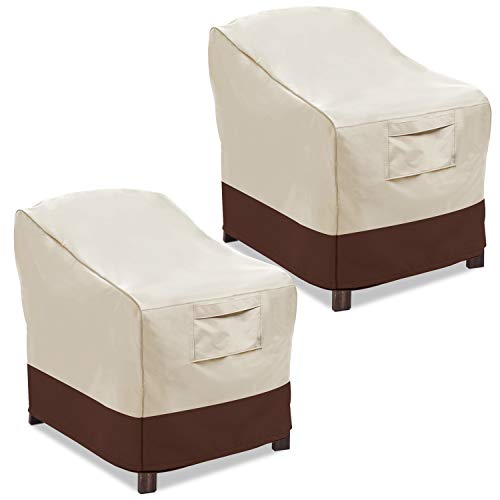
Additionally, covering your outdoor seats with fitted fabric can prevent access and discourage creatures when you’re not using them. Ensure the material is breathable to avoid moisture buildup while maintaining its protective function.
By implementing these various tactics, I’ve managed to preserve my outdoor living space, ensuring comfort and cleanliness while enjoying the fresh air.
Methods for Deterring Felines from Outdoor Seating
Utilize motion-activated devices that emit sounds or vibrations to create an unpleasant environment for them. These units trigger when any movement is detected, effectively scaring them away.
Sprinkle scents that are unappealing to them around the area. Citrus and menthol fragrances are often effective, as these creatures tend to avoid them.
Cover seating with protective sheets or specialized covers designed to make surfaces uncomfortable. Textures that are prickly or slippery can discourage them from taking a seat.
- Consider using plastic matting with spikes.
- Try aluminum foil that disrupts their comfort.
Integrate plants that are naturally repellent, such as lavender or rosemary, into your garden or seating area. Their scent acts as a natural deterrent.
Establish a designated space for them nearby, using cozy bedding or a shelter to lure them away from your seating area. This alternative can redirect their attention effectively.
- Place the bedding in a quiet corner.
- Ensure the area is shaded and inviting.
Regularly cleanse and dunk surfaces in water during the evening. The dampness can make sitting less appealing, encouraging them to seek drier areas.
Finally, employing a gentle water spray as a deterrent can be effective when they approach. This method should be used consistently but kindly.
Understanding Cat Behavior Around Furniture
Recognizing the natural instincts of felines offers insight into their attraction to various surfaces. Vertical and elevated spaces provide a sense of security and perspective, making sofas or tables appealing for lounging. Providing alternatives, such as designated perches or scratching posts, redirects their attention.
Territorial behavior can lead to a desire to claim areas like chairs or benches. Using scent deterrents, such as citrus sprays or essential oils, can discourage your pet from visiting these spots. Additionally, covering surfaces with materials that feel uncomfortable–like double-sided tape–may create an unwelcoming environment.
Understanding the time of day also plays a role. Many felines are crepuscular, meaning they are most active during dawn and dusk. Implementing motion-activated deterrents can startle them, reinforcing boundaries during these peak activity hours.
Observation of your pet’s routines and preferences helps to tailor solutions. If they show a preference for a specific location, consider placing a cozy bed or blanket there, shifting their focus to an appropriate area while still enjoying the outdoors.
Best Materials and Designs for Outdoor Furniture
Opt for aluminum and synthetic wicker as they are lightweight yet sturdy, providing resistance to fading and weathering. Both materials are easy to clean, ensuring long-lasting aesthetics.
Consider furniture with slatted designs. This promotes drainage and reduces moisture retention, making it less appealing for unwelcome guests. Choose models with minimal fabric, as they attract less interest from roaming animals.
Fabric options like solution-dyed acrylic are beneficial due to their UV resistance and quick-drying properties. This not only prolongs the life of the upholstery but also keeps it looking fresh.
Wood types such as teak or eucalyptus are excellent choices thanks to their natural oils, which help withstand the elements. They can repel moisture and insects, minimizing maintenance while enhancing durability.
Incorporate adjustable canopies or retractable awnings as part of the layout. These features provide shade during peak sun hours and can create barriers that deter inquisitive animals.
Lastly, ensure the furniture height is strategic. Elevated designs create less access for pets inclined to leap onto surfaces, fundamentally altering their typical behavior around resting spots.
DIY Solutions for Deterring Felines
Covering surfaces with a tactile deterrent like double-sided tape effectively discourages landings. Cats dislike the sticky sensation on their paws, prompting them to seek alternatives.
Citrus Scent Repellent
Utilizing citrus peels around seating can exploit their aversion to citrus aromas. Place lemon or orange peels strategically for ongoing repulsion. Alternatively, consider creating a spray by blending citrus juice with water for regular application.
Motion-Activated Devices
Incorporating motion-sensor devices that emit sound or bursts of air can effectively startle visiting animals. Such gadgets are available in pet stores and can be set up discreetly to disrupt any attempted relaxation.
Using Repellents and Scents
Repellents and specific scents are effective ways to deter unwanted visitors from lounging on surfaces. For a natural approach, citrus fragrances are particularly unpleasant for felines. Consider placing citrus peels or using citrus-scented sprays around the area. Essential oils like lavender or eucalyptus can also serve as deterrents when diluted and applied to small cotton balls placed strategically.
Commercial Repellent Options
There are various commercially available sprays designed to ward off animals. Look for products that contain natural ingredients, as they tend to be safer for both the environment and other wildlife. Always follow the instructions carefully to ensure efficacy and safety. Reapplication may be necessary after environmental exposure, such as rain or heavy dew.
Homemade Solutions
Creating your own repellent mixture is straightforward. Combine water with vinegar in equal parts and spray it on designated areas. The strong odor tends to repel without causing harm. Additionally, cayenne pepper sprinkled around can discourage intruders, as they dislike the scent and the sensation of pepper on their paws.
Setting Up Physical Barriers
Installing fences or physical obstructions around specific items serves as an immediate deterrent. Select materials such as wood or vinyl that can withstand elements and be visually appealing.
- Low Fences: Construct low fences around seating or tables. Ensure the height is sufficient, ideally 12-18 inches tall, to discourage access.
- Netting: Use garden netting or mesh to cover exposed areas. This material can prevent approach while allowing airflow.
- Table Covers: Heavy-duty table covers can shield surfaces and eliminate a comfortable resting spot.
Consider utilizing alternative structures as well:
- Planters: Create barriers using tall planters with dense foliage. Position them strategically to hinder movement.
- Potted Spikes: Place potted plants with thorny characteristics around desired zones to create an uninviting environment.
Installation should always prioritize stability and safety. Secure all barriers firmly, avoiding materials that can tip or break easily.
Monitoring is key. Regularly inspect barriers for damage, and adjust quickly to ensure ongoing effectiveness.
Creating Distractions Away from Furniture
Introduce a variety of engaging activities in your garden space. I find that interactive toys serve this purpose effectively. A few balls or feathered wands placed strategically can entice curiosity and encourage playful exploration, steering attention away from the seating areas.
Natural Attractions
Utilize plants or herbs known to capture their interest. Rue, catnip, or even valerian can serve as effective lures. Position these plants in designated areas to create a sensory experience that diverts focus from seating options.
Sound and Movement
Employing wind chimes or reflective ornaments adds whimsy while creating visual and auditory stimulation. Hang these distractions near the seating. The combination of movement and sound can create intrigue, prompting them to explore rather than lounge.
Setting up small water features, like a fountain, can provide a soothing background while also attracting attention with splashing sounds. This not only enhances the ambiance but also distracts from lounging spots.
Monitoring and Adjusting Your Strategy
Regularly assess the effectiveness of the deterrents you’ve implemented. I monitor the areas where I’ve placed physical barriers or distractions to see if they’re functioning as intended. Checking for signs of feline activity can help identify what works and what doesn’t.
Evaluate Your Approach
Keep a log of your observations. Note the times when I see animals attempting to access the area, which products seem to repel, and environmental changes that might influence behavior. This documentation will provide valuable insights and help refine tactics.
Adjust Based on Feedback
If a particular method isn’t yielding results, I explore alternatives. For example, I might switch the type of scent used in repellents or upgrade physical barriers to more durable materials. Experimentation with placement can also yield different results; sometimes, moving a distraction closer to the effective zone can make a difference.
| Strategy | Observation Note | Adjustment Needed |
|---|---|---|
| Spray Repellent | Minimal deterrent effect | Switch scent or increase application frequency |
| Physical Barrier | Some breaches recorded | Reinforce or change type of barrier |
| Distraction Setup | Active interest in alternate area | Enhance or modify distraction setup |
Continuously refining my methods ensures that the environment remains less appealing to uninvited guests, resulting in a more pleasant outdoor space.


