
 Caleb Turner
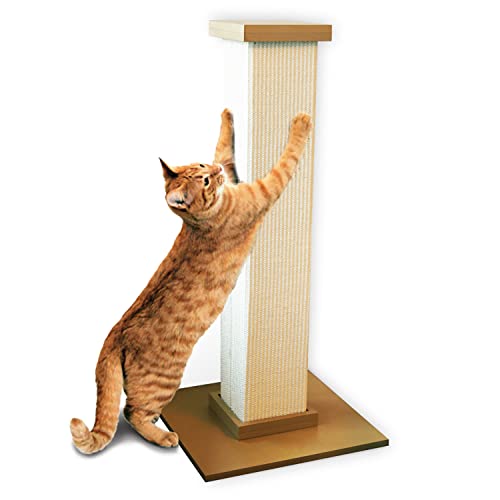
I recommend placing scratching posts or pads strategically in areas where your feline companion enjoys lounging. By providing designated surfaces for their claws, you can redirect their attention away from your beloved sofas and chairs.
Regularly trimming the claws of your pet can also significantly reduce the risk of upholstery damage. This simple maintenance task not only protects your belongings but also helps keep your pet comfortable and healthy.


Using protective covers or slipcovers on upholstered items is another effective approach. These removable layers allow for easy cleaning while serving as a barrier against potential harm from playful paws.
Incorporating deterrent sprays specifically designed to repel pets can help maintain the integrity of your seating. These products can make the fabric less appealing to scratch, encouraging your pet to seek out other alternatives.
Finally, engaging your companion in interactive play can reduce their urge to claw at your furniture. Investing time in stimulating toys may lead to a noticeable decrease in their destructive behaviors.
Preventing Damage to Soft Surfaces
Provide suitable alternatives, such as scratching posts made of different materials. Position them close to areas your pet frequents, enhancing the likelihood they’ll use these designated objects. Consider varied textures to find what appeals to your pet, rotating options regularly to maintain interest.
Applying protective covers can significantly reduce the chances of wear. Options include slipcovers designed specifically for upholstery. Choose materials resistant to claws while ensuring they remain visually appealing.
Regularly trimming claws, specifically every few weeks, minimizes potential destruction. Using proper tools makes this task quick and maintains your pet’s comfort.
Engaging your furry friend with interactive play can divert attention from soft furnishings. Toys encouraging physical activity not only satisfy instinctual urges but also strengthen your bond.
Introduce calming sprays or focused scents that discourage undirected attention towards your belongings. These products, often derived from natural ingredients, can help redirect behavior positively.
Establish clear boundaries within your space. Encourage your pet to remain in designated areas. Whenever they approach non-permissible surfaces, redirect them gently while praising them for choosing correct options.
Understanding Your Cat’s Scratching Behavior
Observing my pet’s actions reveals that clawing is instinctual and serves multiple purposes. Providing designated surfaces for this activity can fulfill their need while protecting valuable items.
Instinctively, my feline friend uses this behavior to mark territory. Through scratching, they leave scents from glands in their paws, signaling to others that this space is theirs. Implementing scratching posts nearby can help them express this natural tendency without damaging items in my home.
Another aspect that intrigues me is the exercise involved in this behavior. It acts as a form of physical activity, stretching their bodies and strengthening muscles. I often ensure there are various types of scratching tools available, allowing for active play and physical engagement.
Soft surfaces, such as fabric, attract attention for clawing since they mimic natural materials found outside. Offering alternatives with different textures can redirect this interest. I like to experiment with cardboard, sisal, or carpet scratchers, observing which ones garner the most attention.
Additionally, stress can drive this behavior. Providing a calm environment with distinct areas for relaxation can lower anxiety levels. Incorporating interactive toys and regular playtime allows for mental stimulation, which often reduces the urge to claw non-designated areas.
Understanding that my cat’s scratching serves real needs allows me to approach the issue with knowledge. The better I can recognize and adapt to these requirements, the more harmonious our living situation becomes.
Choosing the Right Scratching Post for Your Cat
Opt for a sturdy scratching post that won’t topple over during use. Stability is key to encouraging regular interest. Look for posts made from materials like compressed cardboard, sisal rope, or untreated wood.
Height and Design
Select a height that accommodates your pet’s natural stretching habits. Taller options are appealing for those who enjoy vertical aspects. Additionally, consider varying designs, such as vertical towers or horizontal surfaces, to cater to different preferences.
Location and Accessibility
Position the post where your companion spends time. A prominent location next to favorite lounging spots can draw attention. Ensure it’s easily accessible, as this increases the likelihood of use.
Include different textures to mimic real-world scratching surfaces. Experimenting with a mix can keep your feline engaged. Regularly rotate these options to maintain fresh interest.
Encourage utilization through positive reinforcement. Place enticing toys nearby or sprinkle catnip on the post to create a more appealing environment.
Using Deterrents to Protect Furniture
Consider applying citrus-scented sprays on your upholstery. These fragrances are generally disliked by felines and can deter them effectively. Look for pet-safe products to avoid any harm.
Double-sided tape is another practical solution. When placed on areas your pet tends to scratch, the sticky texture can discourage their behavior. Experiment with the placement to see where it’s most effective.
Training Aids
Take advantage of motion-activated devices that emit sounds or scents when your furry friend approaches the sofa. These can create an unpleasant association with the furniture without causing any distress.
Safe Repellents
| Repellent Type | Application Method | Effectiveness |
|---|---|---|
| Citrus Spray | Lightly mist onto fabric | High |
| Double-Sided Tape | Place on preferred areas | Medium |
| Motion-Activated Devices | Set near targeted spots | High |
Regularly rotate these methods to maintain effectiveness, as animals often adapt to their environment. Consistency and persistence lead to successful behavior modification.
Training Your Cat to Use Approved Surfaces
I place scratching posts in areas where my feline friend already enjoys stretching and playing. This aligns their instincts with new designated spots, making the transition smoother.
Consistency is key; I reward my pet every time they use the appropriate item. Treats or affection during these moments reinforce their positive behavior effectively.
I also employ toys or catnip to attract my companion to the new surfaces. By creating a fun environment around approved items, I increase their appeal.
Setting clear boundaries is crucial. If my cat approaches the restricted zones, I redirect their attention to their designated area. Positive reinforcement encourages them to repeat this behavior.
I monitor my pet closely during the training period. Timely corrections, using a firm but calm voice, help reinforce what is acceptable.
Over time, I’ve noticed my cat adjusting and preferring the new alternatives. Patience and dedication lead to successful long-term habits.
Maintaining Furniture with Protective Covers
Opt for high-quality protective covers that suit your decor while acting as a barrier against wear and claw marks. Look for options made from durable materials, such as canvas, microfiber, or special pet-proof fabrics that resist punctures and stains.
Benefits of Using Covers
- Easy to clean: Most covers are machine washable, saving time on maintenance.
- Custom fit: Select tailored designs to ensure a snug fit, maintaining aesthetics without compromising protection.
- Variety: Available in various colors and patterns, making it simple to align with existing home decor.
Installation Tips
- Secure the cover tightly to avoid slipping, which can inadvertently allow access to the underlying surface.
- Consider using furniture straps or non-slip backing for added stability.
- Regularly check for signs of wear on the covers and replace them if necessary to maintain optimal protection.
Incorporating these protective layers can greatly enhance the longevity of your seating while creating a stylish living space. Prioritize comfort and safeguard your investment with covers that effectively combine functionality and design.
Regular Nail Trimming and Care Techniques
Monthly trimming is recommended; this prevents sharp edges that cause damage. I find that using a quality pair of feline nail clippers simplifies the process. Position your pet comfortably on your lap or a flat surface, ensuring they feel secure.
Gently press the paw to expose the nail. Aim to trim just above the quick, the pink part of the nail, which contains blood vessels and nerves. If you’re unsure, trim small sections gradually to avoid hurting your pet.
Positive reinforcement works wonders. Offer treats or affectionate praise after each trim session, making future grooming easier. I schedule these appointments when my feline is relaxed, often after playtime or a meal.
Consider applying a nail grinder to smooth the edges further, which reduces the likelihood of snagging. Regular maintenance, paired with timely trimming, ensures that claws stay manageable while keeping my beloved belongings intact.
If your furry friend resists nail care, utilizing a calming spray or consulting with a professional groomer can ease anxiety. Establishing a routine makes the task more pleasant for both of us.
Creating a Cat-Friendly Environment
Providing a space that caters to your feline companion enhances their comfort and reduces undesirable behavior. Place scratching surfaces in areas where your pet enjoys spending time, ensuring easy access and visibility.
Key Elements to Include
- Cat Trees: Invest in multi-level cat trees to offer climbing opportunities, scratching posts, and resting areas.
- Designated Play Areas: Allocate specific zones with toys and activities that stimulate engagement and exploration.
- Safe Hiding Spots: Incorporate cozy beds or boxes where your pet can retreat, providing a sense of security.
- Interactive Toys: Utilize puzzle feeders or toys that demand effort to keep your pet occupied and content.
- Vertical Space: Install shelves or cat walkways to encourage climbing, fulfilling their natural instincts.
Environment Enrichment
- Rotate Toys: Regularly switch out toys to maintain interest and stimulate play.
- Natural Elements: Use safe indoor plants or cat grass to provide exploration and nibbling opportunities.
- Windows Perches: Establish perches near windows for observation, attracting your pet’s curiosity.
- Aromatherapy: Consider diffusing calming scents like lavender to create a serene atmosphere.
By thoughtfully arranging spaces and incorporating engaging elements, your feline will find satisfaction in their surroundings, leading to better behavior and less damage to your belongings.


