
 Caleb Turner
Utilizing citrus scents can serve as a powerful deterrent. Spraying diluted lemon or orange juice on the surfaces that seem to attract attention makes them less appealing. This method is simple and harmless, allowing the aroma to deter unwanted interactions.
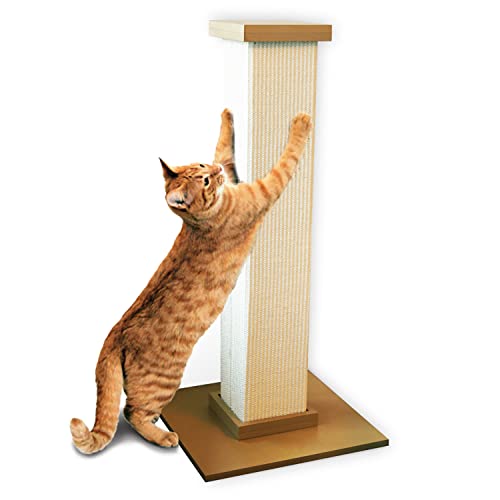
Providing designated scratching posts or pads is another proactive measure. By placing these alternatives in prominent locations, you can redirect attention. Choose options that mimic the texture and height of favored areas to increase usage likelihood. Regularly applying catnip to these alternatives can also encourage engagement.
Using double-sided tape can be effective for discouraging undesirable behavior. Applying this tape on surfaces where scratching occurs creates an unappealing texture. Felines dislike the sticky sensation on their paws, prompting them to seek more comfortable areas.


Employing motion-activated devices can create a subtle barrier. These gadgets emit bursts of air or sound when movement is detected nearby. Such a deterrent can startle without causing distress, helping to reinforce boundaries while maintaining a harmonious environment.
Strategies for Preventing Damage to Upholstery
Utilize double-sided tape on areas prone to claw marks. The sticky texture deters the feline, encouraging them to seek alternative objects for their activities.
Implement Scents That Deter
Introduce citrus or vinegar scents around the desired zones. These odors are often unappealing to many felines, making them less inclined to approach those regions.
Provide Alternatives
- Purchase scratching posts or pads to divert attention.
- Position these alternatives near the areas of concern for better engagement.
- Reward your furry companion for using designated items with treats or praise.
Consider placing heavy furniture or barriers in front of items you want to protect, limiting access to those surfaces. Regularly rotate the positions of scratching posts to maintain interest.
- Observe your pet’s behavior to determine their preferred textures and shapes for alternative options.
- Invest in materials that mimic the texture of surfaces they find enticing.
Be consistent and patient in applying these measures. With time and positive reinforcement, a shift in habits can be achieved.
Selecting Appropriate Scratching Posts
Choosing the right scratching equipment is key. Look for models made from durable materials like sisal or cardboard. These textures mimic natural surfaces found outdoors, appealing to felines.
Height Matters
Opt for tall posts. Vertical space allows for stretching, which is a preferred position for many paws. Ensure it’s sturdy; a shaky post could deter usage.
Variety Engages
Consider offering different styles, such as horizontal scratchers and angled designs. This variety can cater to personal preferences and behaviors. Maintain regular rotation and placement adjustments to spark interest.
Always supervise initial interactions. Observing preferences helps in refining selections for the future. Remember, an attractive post in a designated area can significantly reduce unwanted behavior towards your belongings.
Applying Deterring Sprays on Furniture
I recommend using commercial deterring sprays designed specifically for keeping pets away from surfaces. These sprays contain natural ingredients that are unappealing to animals while remaining safe for household use. When applying, target areas where your feline friend tends to scratch most frequently.
Application Technique
Before spraying, clean the surface to remove any odors or residues that may attract your pet. Hold the spray bottle about 6-12 inches away from the material. Apply a light mist, ensuring even coverage without soaking the fabric or wood. Let the spray dry completely before allowing the animal access to the area.
Experimenting with Homemade Solutions
An alternative is creating a homemade mixture using common household items. A blend of water with vinegar or citrus juice can serve as a natural repellent. Test any solution on a small, inconspicuous area first to ensure it does not damage the finish. Regularly reapply these mixtures to maintain their effectiveness, especially after cleaning or if the scent fades.
Using Furniture Covers and Protectors
Opt for durable furniture covers made of resistant materials, such as denim or canvas, to safeguard pieces against claw damage. These materials are not only tough but also easy to clean.
Consider slipcovers that can be removed and washed frequently. Look for products specifically designed to fit securely on various styles of seating to prevent them from slipping off.
Invest in silicone or adhesive protectors for vulnerable areas, like armrests or corners. These transparent options create a barrier that feels unpleasant for the animal while remaining discreet.
Explore microfibre or vinyl fabric for upholstery, as these materials deter scratches while offering a sleek appearance. The smooth surface discourages unwanted attention from furry companions.
Regularly inspect covers for wear and tear. Replace them as needed to maintain a protective barrier. Proper maintenance ensures they function effectively over time.
Combine furniture covers with other tactics, such as strategically placing scratching posts nearby, to provide appropriate alternatives for natural behaviors.
Establishing a Reward System for Desired Behavior
Initiate the process by consistently rewarding preferred actions with treats or praise. This encourages my pet to engage in activities that are acceptable. I observed that small, tasty morsels work best for positive reinforcement. Each time I catch her interacting with the designated scratching post, I offer a treat accompanied by gentle praise.
Creating Consistent Associations
It’s essential to develop a pattern where rewards follow desired actions. I maintain a schedule for reinforcing my feline’s behavior; for instance, every successful use of the scratching post is met with a reward. This repetition solidifies the connection between the action and the reward in her mind.
Monitoring Progress and Adjusting Rewards
Tracking what works and making adjustments is crucial in maintaining motivation. I keep a log of her responses to various treats and praise levels. If I notice a particular reward loses its appeal, I quickly substitute it with something more enticing to sustain her interest and engagement.
| Behavior | Reward Type | Frequency of Reward |
|---|---|---|
| Using scratching post | Treats & Praise | Every use |
| Playing with toys | Playtime | After each session |
| Sitting calmly on lap | Pets & Cuddles | Consistently |
An organized reward system not only motivates but also fosters a harmonious relationship, turning unwanted tendencies into positive interactions. With patience and consistency, I find success in guiding her toward preferred behaviors.
Rearranging Furniture to Redirect Attention
Positioning items in your living space can significantly influence your pet’s behavior. Placing large sofas or bookshelves against walls where your feline companion prefers to lounge can obstruct their access to certain areas. This tactic redirects their focus to new territories within your home.
Creating barriers with strategically placed furniture helps to deter unwanted scratching on surfaces like couches. For instance, moving a chair in front of an attractive piece of furniture might make it less appealing for them to climb and claw. Consider using lightweight pieces that are easy to adjust as you observe changes in your pet’s habits.
Additionally, consider the layout of the room. If an area becomes less stimulating with minimal items nearby, your pet may lose interest in scratching at particular objects. Ensure that scratching posts are more accessible than your furniture. Placing them in prominent locations encourages interaction while occupying their attention positively.
Moreover, utilizing your space innovatively can promote healthy behavior. A cozy reading nook with a strategically positioned cat tree can attract their interest, offering a satisfying alternative to undesired surfaces. Observe their preferences; they may gravitate toward specific spots that you can enhance by moving your furniture around.
Regularly changing the arrangement not only refreshes your space but also presents new challenges for your pet, keeping them engaged and reducing the likelihood of damaging your belongings. Adjustments should be intentional and responsive to your pet’s inclinations, ensuring that the layout serves as a practical approach to maintaining your living environment.
Understanding Feline Behavior and Needs
Recognizing that felines naturally scratch to maintain their claws and mark territory leads to more effective strategies for managing unwanted behaviors. Providing different textures, such as sisal or cardboard, on scratching surfaces can fulfill their instinctual needs while preserving your belongings.
Environmental Enrichment
Creating an engaging atmosphere with climbing structures, interactive toys, and opportunities for exploration caters to their natural curiosity. Incorporating vertical spaces allows for stretching and exercising, reducing the urge to damage surrounding items.
Routine and Comfort
Establish a consistent daily routine for playtime and feeding to minimize stress. A calm and predictable environment encourages relaxation and can decrease destructive tendencies. Additionally, consider the placement of favorite resting spots to ensure comfort while preventing access to inappropriate areas for clawing.


