
 Caleb Turner
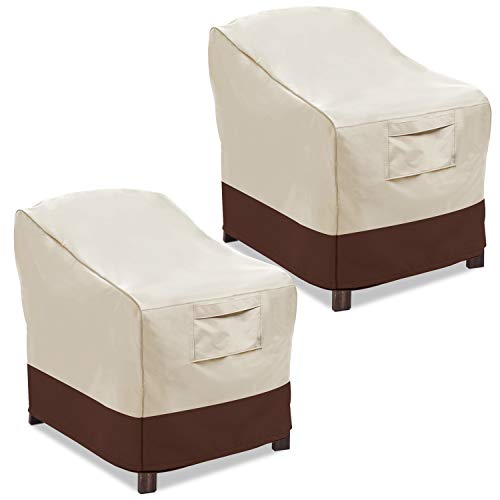
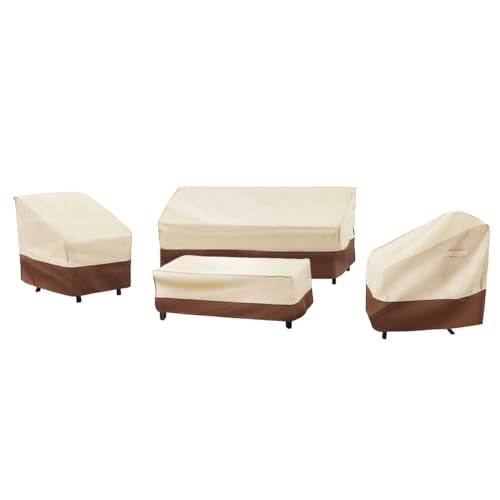
Place durable, fitted covers on seating to create a physical barrier. Ensure these coverings are securely fastened to prevent animals from moving them aside. Quality material in a design that fits snugly can discourage entry and protect upholstery.
Utilize scent repellents, such as citrus or vinegar-based solutions. Spraying these mixtures around the edges can create an unpleasant environment for critters wanting to explore your outdoor space. Regular reapplication is key, especially after rain or heavy winds.
Incorporate noise deterrents, such as wind chimes or motion-activated devices. These sounds can startle uninvited guests and make them think twice about approaching. The element of surprise is often an effective strategy for maintaining peace in your outdoor area.
Set up visual barriers like decorative planters or fencing that may dissuade wildlife. A visually complex environment can be a deterrent, as many species prefer open spaces for security. Choose designs that complement your outdoor aesthetic while enhancing protection.


Lastly, keep food and waste properly contained to eliminate attractants. Regular clean-up of any spills or leftovers diminishes the appeal of your area, reducing the likelihood of unwelcome intrusions.
Understanding the Attraction of Outdoor Seating
To deter critters from resting on outdoor seating, it’s crucial to grasp what draws them to such spaces. Soft cushions and comfortable spots mimic their natural habitats. Additionally, the scents of food or other animals may encourage exploration and lounging.
- Texture Appeal: Fabrics provide comforting surfaces for various creatures. They often seek places to curl up, and plush materials feel inviting.
- Temperature Regulation: Cushioned areas can offer warmth during cooler evenings, making them an attractive retreat for some wildlife.
- Odor Influence: The presence of food residues or the smell of other pets can entice wildlife to choose these spaces for lounging.
- Heightened Perception: Elevated surfaces allow for better vantage points, making these spots ideal for observations or safety from ground-level threats.
By addressing these appealing characteristics, I can take steps to discourage critters from frequenting these cozy areas.
Choosing the Right Materials for Your Outdoor Seating
Opt for synthetic materials such as resin wicker or aluminum. They resist scratches, are easy to clean, and withstand the elements without fading. Organic materials, like wood, then require more maintenance and often attract wildlife due to their scent.
Recommended Materials
| Material | Benefits | Potential Drawbacks |
|---|---|---|
| Resin Wicker | Durable, weather-resistant, low maintenance | Can get hot in direct sunlight |
| Aluminum | Lightweight, rust-proof, modern aesthetic | May be less comfortable without cushions |
| Teak Wood | Natural resistance to moisture and rot | Higher cost, regular oiling needed |
| Plastic | Affordable, easy to clean | Less durable, may fade over time |
Strategic Combinations
Combining materials can create unique solutions. For instance, pairing aluminum frames with synthetic cushions limits attraction while maximizing comfort. Opting for cushions that are resistant to moisture can further discourage unwanted visits by curious creatures.
Utilizing Natural Repellents to Deter Animals
Citrus peels can be a simple deterrent; I often place orange or lemon peels around my outdoor seating. The strong scent repels many creatures. Additionally, mixing water with vinegar creates an effective spray that I regularly use on surfaces to maintain a barrier. The pungency of vinegar is generally unpleasant for various pesky visitors.
Essential oils are powerful allies; I create a mix with peppermint or eucalyptus oil diluted in water and spray it around the surroundings. These scents are particularly off-putting to many. I also plant herbs like rosemary and lavender nearby, as their fragrance acts as a natural repellent while adding charm to the area.
Cayenne pepper and garlic powder can be sprinkled on surfaces for added protection. The strong flavors serve as an unwelcoming invitation for unwarranted guests, preventing them from making themselves at home. I find that regular application is necessary, especially after rain or high humidity.
Lastly, consider employing coffee grounds. Not only do they provide a fresh aroma for me, but they are also a deterrent. I apply them in areas where unwanted intruders often gather, creating an effective and eco-friendly barrier.
Implementing Physical Barriers and Covers
To deter unwanted visitors, consider installing physical barriers such as fencing or gates around your outdoor space. A low fence can serve as a simple deterrent, while taller structures may offer better protection from larger creatures. Ensure gaps are minimal; a width of less than four inches is preferable to prevent entry.
Mesh netting is another effective solution. Opt for a durable, UV-resistant type that can withstand harsh weather. Secure it tightly around furniture or designated areas, ensuring there are no loose edges that could be easily breached.
Covers provide an additional layer of protection. Choose waterproof and breathable materials to prevent moisture buildup. Additionally, look for fitted covers that conform to the shape of your items, as loose covers can easily be dislodged by wind or curious creatures.
When applying these strategies, I found that combining several methods enhances effectiveness. Here are some practical options to consider:
- Install decorative lattice around your seating areas for both aesthetics and protection.
- Use outdoor furniture covers that include secure fasteners to keep them in place.
- Consider using clear plastic panels or acrylic sheets for a more elegant barrier without obstructing views.
- Employ landscape design techniques, such as strategically placed shrubs or other plants, to create a natural blockade.
Regular inspection of barriers and covers is essential to maintain their integrity. I make it a habit to check for signs of wear and tear, replacing any compromised materials as needed to ensure continued effectiveness.
Using Motion-Activated Deterrents for Immediate Response
Investing in motion-activated deterrents has proven to be an efficient strategy for addressing unwanted visitors in outdoor spaces. These devices activate upon sensing movement, emitting sounds or bursts of water that disrupt the creature’s comfort. I recommend opting for those designed to target specific species, ensuring a tailored response without unnecessary disturbances to your environment.
Types of Deterrents to Consider
Sound-based deterrents can effectively startle and discourage intruders. Choose models that produce high-frequency sounds, which are generally inaudible to humans but irritating to many pests. On the other hand, water sprays are another alternative; they provide a sudden surprise that can quickly send the critter scurrying away. The sensor range is critical–look for devices that cover a wide area to maximize protection across your outdoor space.
Installing and Positioning for Maximum Impact
Correct placement of these deterrents is crucial. Install them at entry points or commonly frequented areas where intruders are prone to appear. Ensure that the sensors are unobstructed and maintain a clear line of sight. Regularly check the batteries for optimal performance, as a poorly functioning device will not yield the results desired. Combining these tools with other strategies can create an environment that remains welcoming for people while ensuring that uninvited guests stay at bay.
Creating an Unwelcoming Environment for Creatures
To decrease the likelihood of unwanted visitors on your outdoor seating, consider adjusting your space. Keeping areas clean and free of food remnants is essential. Ensure all trash bins are sealed tightly, as even the faintest aroma can attract various critters.
Aim for a minimalist approach in the vicinity. Reducing clutter and ensuring no accessible nooks can offer refuge will help deter curiosity. For instance, clear out any decorations or cushions that might provide a cozy spot for lounging. Regular maintenance of your space will aid in avoiding the appeal.
Odor Management Techniques
Implement strong-scented deterrents. Citrus peels or vinegar-soaked rags placed in hidden areas can create off-putting odors for many animals. Regularly refresh these items to maintain their effectiveness. Additionally, utilizing coffee grounds exhibits a strong scent that many creatures dislike.
Sound-Based Deterrents
Incorporating noise can create a sense of discomfort for visiting wildlife. Wind chimes or motion-activated sound devices can deliver unexpected sounds, discouraging approach. Select options that emit unexpected bursts of noise, as these are often more effective in conveying the message of an uninviting atmosphere.
Maintaining Cleanliness to Reduce Animal Attraction
I recommend regularly cleaning all surfaces where food or drinks may have been spilled. Even minor crumbs can attract unwanted visitors. A simple mixture of vinegar and water can effectively eliminate odors that may linger and entice creatures.
Storing cushions and blankets inside when not in use prevents them from collecting pet hair and dirt, which can signal an inviting area for wildlife. Use storage containers that are securely closed to avoid leaks of enticing scents.
Wiping down all outdoor areas with a disinfectant periodically creates an unappealing environment for curious beings. I find that using citrus-scented cleaners can be particularly beneficial, as many animals dislike strong citrus fragrances.
Keeping plants trimmed and well-maintained discourages critters from making a home nearby, as they often seek shelter in overgrown areas. Regularly check for any nesting materials as well, as they can signal a potential habitation issue.
Implementing a routine cleaning schedule promotes a less hospitable environment, which supports my goal of deterring these uninvited guests from frequent visits.
Employing Sound and Light Devices to Scare Off Animals
Utilizing high-frequency sound emitters effectively discourages many wildlife species. These devices emit sounds at frequencies above human hearing, triggering discomfort in nearby creatures. Field studies show a significant decrease in visits from problematic species when these units are placed strategically around seating areas.
Incorporating motion-activated lights can also prove beneficial. Bright, sudden illumination startles critters and interrupts their behaviors, encouraging them to seek shelter elsewhere. Selecting solar-powered options enhances energy efficiency, allowing for seamless operation even overnight.
Combining both sound and light features in a single unit maximizes their deterrent qualities. Some modern devices provide customizable settings, letting me adjust the volume and light intensity according to the specific types of wildlife in my area.
Regularly changing the position of these devices keeps the environment dynamic, preventing animals from becoming accustomed to their presence. I’ve found that incorporating unexpected noise variations along with light triggers stimulates greater deterrence.
Engaging Professional Help for Persistent Issues
If standard deterrents fail, consulting a wildlife control expert is a practical step. These specialists possess knowledge of behavioral patterns and can suggest tailored solutions for persistent issues with local creatures. An initial assessment offered by these professionals can identify potential attractants and vulnerabilities in your outdoor space.
Choosing the Right Professional
Look for wildlife control services that highlight humane practices. Check credentials, read reviews, and confirm that they are experienced with the specific types of creatures troubling your space. A comprehensive plan should include habitat modification recommendations and potential relocation strategies that align with local regulations.
Long-Term Management Strategy
Once an expert develops a strategy, ongoing communication is crucial. Schedule regular follow-ups to reassess the situation and adjust tactics as necessary. Proactive measures, such as routine inspections and preventative maintenance, can help sustain a comfortable outdoor area.


