
 Caleb Turner

A robust solution involves utilizing a combination of natural deterrents and protective covers. Sprinkling cayenne pepper or citrus peels around your seating area can help create an unpleasant environment for unwanted guests. These substances are often offensive to various critters, encouraging them to seek more inviting surroundings.
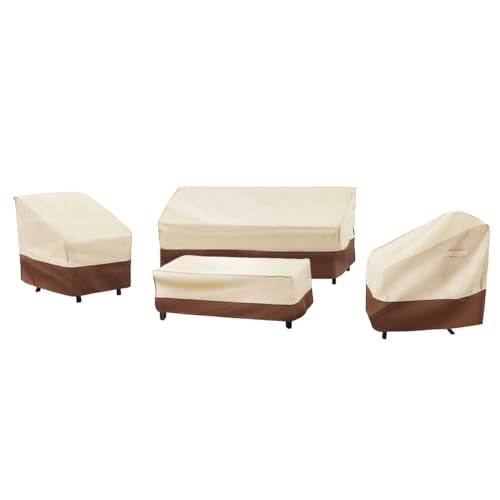
Investing in durable, fitted covers for your outdoor chairs and tables will provide a barrier. Choose materials that are not only weather-resistant but also difficult for small creatures to penetrate. Regularly clean the area to eliminate food remnants or debris that might attract intruders.
Incorporating motion-activated devices can significantly enhance the defense of your outdoor space. Devices such as ultrasonic repellents or sprinkler systems that activate upon detecting movement can startle and discourage unwelcome visitors from lingering.


Furthermore, employing physical barriers such as fencing or strategically placed planters can deter access while enhancing your outdoor aesthetics. By combining these tactics, it’s possible to create an outdoor environment that remains inviting for you while being unwelcoming to uninvited guests.
Methods to Deter Wildlife from Outdoor Seating
Utilizing citronella candles can create an unfriendly atmosphere for various creatures. The scent is often found unpleasant, effectively repelling pests and small mammals.
- Strategically place these candles around seating areas.
- Opt for larger torches for extended coverage and improved ambiance.
Incorporating natural repellents, such as vinegar or essential oils like peppermint, can also be beneficial. Spraying diluted solutions on surfaces might discourage visits.
- Mix one part vinegar with three parts water.
- Apply in areas frequented by wildlife.
Consider using motion-activated devices that emit sounds or lights. These can startle and deter uninvited guests.
- Choose products designed for outdoor use.
- Set the sensitivity level to avoid false alarms from harmless movement.
Invest in covers specifically designed for outdoor seating. Such protective layers not only keep cushions clean but also deter unwanted visitors.
- Select waterproof materials for durability.
- Ensure a snug fit to prevent animals from getting underneath.
Regular cleaning of the space eliminates food or debris that could attract wildlife. This simple maintenance can drastically reduce the likelihood of visits.
- Focus on removing any leftover snacks or drinks after use.
- Check for dropped crumbs or residues that may go unnoticed.
Plant selection in the surrounding area may also affect visits. Certain plants, like marigolds, can act as natural deterrents due to their scent.
- Incorporate these into your landscaping design.
- Consider native species for better adaptation and effectiveness.
Identifying Common Pests That Target Outdoor Seating
One of the first steps in managing infestations is recognizing the common culprits. Here are some frequent offenders that pose a threat to your outdoor seating area:
| Pest | Characteristics | Damage | Prevention Tips |
|---|---|---|---|
| Ants | Small, social insects, often found in colonies. | Can nest under furniture, leaving trails of dirt. | Seal cracks, use bait traps nearby. |
| Termites | Wood-destroying insects, typically found in damp areas. | Can cause significant damage to wooden structures. | Use treated wood and regularly inspect for signs. |
| Mice | Small rodents, known for their chewed materials. | Nesting can lead to structural damage and contamination. | Seal openings and use traps strategically. |
| Bees | Flying insects with yellow and black stripes. | Nests can accumulate on furniture, creating a stinging hazard. | Remove food sources and nest areas promptly. |
| Spider | Variety of species; some are beneficial, others are harmful. | Can create webs that trap dust and debris. | Clear away webs regularly and consider natural repellents. |
Proactively addressing these invaders will help maintain the integrity and cleanliness of your outdoor relaxation space. Regular inspections and preventive measures provide long-lasting results.
Choosing the Right Materials for Outdoor Furniture
Opt for materials resistant to moisture and UV rays, such as aluminum and high-density polyethylene. These options won’t warp or fade over time and are easy to clean. Additionally, teak and eucalyptus are excellent for their natural resistance to weather and insects.
Consider furniture upholstered with solution-dyed acrylic fabrics. They are not only fade-resistant but also repel water and stains. Look for performance fabrics that offer durability without sacrificing style.
Wicker or rattan made from synthetic fibers can provide a stylish look while being more resilient against the elements than natural counterparts.
Choose cushions filled with quick-dry foam, allowing them to resist mold and mildew. Pay attention to the fabric’s construction, as tightly woven textiles will deter dirt and debris accumulation.
To prolong longevity, select stainless steel or powder-coated hardware for strength against corrosion. This small detail can make a significant difference in maintaining structural integrity.
Implementing Natural Deterrents for Wildlife
To repel unwanted creatures, consider using strong-smelling substances. Citrus peels, coffee grounds, and vinegar are excellent options. I found that placing citrus rinds around seating areas effectively discourages various critters due to their aversion to strong scents.
Plant-Based Solutions
Some plants can act as effective barriers. Marigolds, lavender, and citronella are known to deter animals. Planting these species around your outdoor space not only enhances aesthetics but also serves as a natural repellent.
DIY Repellent Sprays
Create your own repellent spray with water, garlic, and chilli powder. This potent mixture can be sprayed around vulnerable areas to make them less appealing. Regular application is key to maintaining its effectiveness. I learned that reapplying after rain significantly boosts results.
Using Physical Barriers to Protect Furnishings
Install sturdy furniture covers to shield items from unwanted attention. Choose options with secure fits and reinforced seams to withstand outdoor elements and deter intruders.
Consider using outdoor enclosures. Enclosed spaces create a protective environment, keeping your seating and tables safe from curious critters while allowing you to enjoy the fresh air.
Utilize mesh screens or fencing around your area. Opt for materials with small openings that prevent access. Ensure the barriers are tall enough to deter jumping animals while being securely anchored to resist disturbances.
Implementing physical barriers can include placing decorative rocks or planters around furniture. These can act as natural deterrents while enhancing the aesthetic appeal of your outdoor space.
Utilize furniture with built-in protective features, such as elevated legs preventing easy access. This design choice also facilitates cleaning under and around your pieces, maintaining a tidy setting.
Regularly inspect barriers for any signs of wear or damage. Prompt repairs help maintain their integrity and effectiveness, ensuring optimum protection for your outdoor investments.
Maintaining a Clean Outdoor Environment
Regular cleaning routines play a significant role in deterring wildlife. I schedule weekly clean-ups to remove food debris and spills that may attract critters.
Investing in outdoor storage solutions, such as airtight containers for cushions and grill covers, prevents access and eliminates potential food sources.
Using non-toxic cleaning products ensures the area remains safe for all visitors while effectively eliminating odors that might attract unwanted attention.
Incorporating regular inspections of the area helps identify entry points or spots that may need attention. Keeping vegetation trimmed can also reduce hiding places for wildlife.
- Make cleaning a weekly habit.
- Utilize proper storage for cushions and utensils.
- Choose environmentally safe cleaning products.
- Conduct frequent inspections and maintenance.
- Trim plants regularly to eliminate shelter.
Creating a routine not only enhances the aesthetic appeal of outdoor spaces but also significantly contributes to minimizing the presence of wildlife around seating areas. A clean environment discourages visits, ensuring comfortable relaxation.
Applying Commercial Repellents Safely
Select a commercial repellent that is specifically formulated to deter unwanted creatures without harming the environment or your family. Before application, read the label carefully to understand the active ingredients and their safety precautions.
<p_Test a small area of your outdoor space to observe any reactions, ensuring that the surface materials will not be damaged. Use a mask and gloves during the application to protect your skin and respiratory system from any irritants.
Spray the repellent in a timely manner, avoiding windy conditions to prevent drift onto unintended areas. Focus on the perimeters of your outdoor setting, ensuring complete coverage without saturating the surrounding soil or plants.
Avoid applying near food sources or areas where pets and kids play. Choose early mornings or late evenings for application when wildlife activity is low, which enhances the repellent’s efficacy.
After application, wash your hands and any exposed skin thoroughly. Store the repellent in its original container, tightly sealed, in a cool, dry place. Regularly reassess the need for reapplication, especially after rain or heavy winds that may reduce its effectiveness.
Regular Maintenance and Monitoring for Predators
Establish a routine for inspecting your outdoor area, focusing on potential entry points for wildlife. Checking for holes or gaps in fencing and around trees is crucial. Use sturdy wire mesh to reinforce weak spots.
Install motion sensor lights to deter nocturnal creatures, providing both safety and illumination. Regularly monitoring lighting functionality ensures effectiveness.
Consider using trail cameras to track the activity of unwanted visitors. Analyzing this data helps in adjusting strategies effectively.
Conduct frequent cleaning of debris, leftovers, and cluttered items, as these attract critters. Make it a habit to sweep the space, avoiding nesting opportunities.
Schedule regular inspections of plants nearby. Some vegetative growth may invite pests; trimming back excess foliage maintains a less appealing environment.
Engage professional services if persistent predators compromise the integrity of your outdoor space. Expert knowledge provides tailored solutions for specific challenges.
Being proactive ensures that any signs of wildlife presence are addressed swiftly, enhancing your outdoor enjoyment.


