
 Caleb Turner
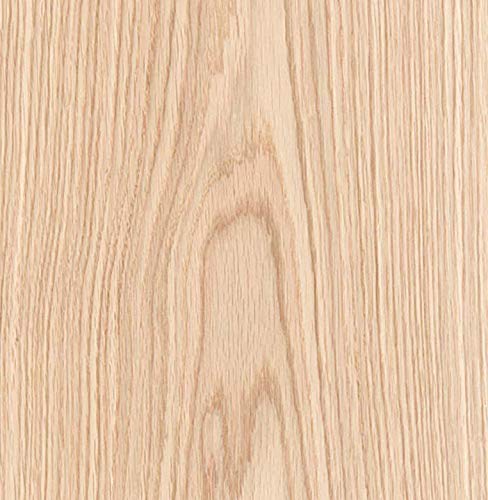
To determine the type of timber present in your home decor, start by examining the grain pattern. Each species exhibits unique characteristics; for example, oak features a prominent grain with large pores, while maple presents a smooth, fine texture. Noticing these differences can immediately guide your assessment.
Next, consider the color and finish. Mahogany typically offers a rich, reddish hue, while pine tends to be lighter and often includes knots. Staining can alter the appearance, so be mindful of how the surface looks under different lighting conditions. A direct comparison to samples from lumberyards can also clarify distinctions.
Finally, assess the weight and density. Hardwoods like cherry and walnut feel considerably heavier than softer options such as fir and spruce. This tactile evaluation, combined with prior observations, provides a clearer picture of the materials at play in your interior design.
Determining the Type of Timber in Your Pieces
Look closely at the grain patterns. For instance, oak showcases prominent rings and a coarse texture, while cherry presents a fine, smooth finish with a rich reddish tint. Next, run your fingers over the surfaces; softwoods like pine feel warmer and lighter than hardwoods such as maple or walnut, which are heavier and cooler to the touch.


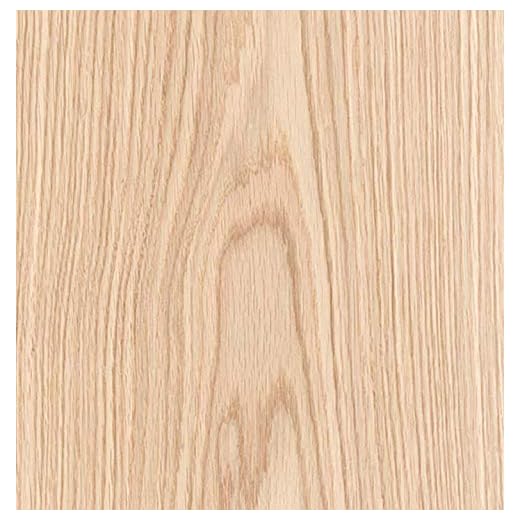

Examine the coloration. Mahogany exhibits a deep, reddish-brown hue, while birch tends to be pale with a yellowish tint. Staining can alter appearances, so consider checking hidden areas like the back of a drawer or beneath the table’s edge.
Look for the density by lifting the item. A hefty piece often signals a denser material; for example, teak is notably heavy and known for its durability. In contrast, cedar is lighter and has a distinct aromatic scent.
Inspect for imperfections or unique characteristics. Ash may bear a light streaking, while walnut can have darker, wavy patterns known as ‘figuring.’ Each variety has unique features for identification.
Conduct a simple water test for softer varieties. If a droplet beads up rather than absorbing, it hints at a treated or sealed surface. On untreated surfaces, the water may soak in quickly, revealing differences in density and finish.
Recognizing Common Types of Wood in Furniture
Begin with visual inspection. Different species display distinct grain patterns and colors. For instance, oak has a prominent grain with a light to medium brown hue, while cherry presents a finer texture with a rich reddish hue. Maple may appear creamy, with a subtle and uniform grain.
- Pine: Light yellow or pale tan. Knots are common; grain is straight and often has a rustic appeal.
- Walnut: Dark brown to purplish, with a beautiful, irregular grain. It’s known for its durability.
- Mahogany: Deep reddish-brown, smooth texture, and often used in high-end pieces.
- Teak: Golden or medium brown with straight grain. Its natural oils provide resistance to water.
Examine the finish. Different treatments enhance or obscure features. For example, a lacquer finish may deepen color but hide grain texture, while oils may highlight natural patterns. Test a small area to see how the finish responds to solvents.
- Check weight. Denser varieties like oak and teak feel heavier than lighter options such as pine.
- Assess hardness. A scratch test on an inconspicuous area can reveal softness typical of pine or hardness seen in maples.
Identify scent. Freshly cut surfaces of certain species emit distinctive aromas; cedar often smells pleasant, while some tropical woods can have a sharp scent.
- Research local availability. Some species are regionally abundant, influencing the likelihood of their presence in manufactured items.
- Compare with known samples. Having reference pieces from each type can aid in quicker recognition.
Capturing characteristics accurately is key. Pay attention to details, and with practice, recognizing these varieties will become second nature.
Visual Characteristics of Different Wood Grains
Initially, examine the surface patterns and colors to discern among various types of timber. Notable distinctions can guide conclusions about the material type.
Key Features to Observe
- Grain Patterns:
- Oak: Prominent rays and stripes, providing a coarse texture.
- Maple: Subtle patterns, often straight but can exhibit figure variations like birdseye.
- Mahogany: Straight grain with a fine, even texture; typically reddish-brown.
- Pine: Long, straight lines with knots, offering a rustic appearance.
- Color:
- Cherry: Deepens with age, starting as a light brown and maturing to a rich reddish hue.
- Walnut: Dark chocolate shades with a mix of lighter streaks.
- Birch: Pale yellow to light brown, often with a smooth finish.
Texture and Finish
- Smoothness:
- Different finishes enhance or hide the texture. For example, a lacquer finish on oak amplifies its grain.
- Rustic styles with visible knots contribute to a characterful look in softer timbers like pine.
- Shine:
- A glossy finish typically indicates a high-quality surface treatment that can enhance color vibrancy.
- Matte surfaces can signify a more natural look, often showcased in mid-century designs.
Observation of these visual traits enables a profound understanding of each piece’s composition and aesthetic appeal. Engaging with these features offers clarity in distinguishing among various timber types effectively.
Understanding the Smell of Various Wood Species
A distinct aroma can provide clues about the type of timber. When engaging with a piece, I often take a moment to inhale deeply. For instance, pine has a crisp, refreshing scent reminiscent of the outdoors, often associated with its resin content. A gentle whiff can transport me to a forest clearing.
Cedar stands out with its warm, earthy fragrance. This rich scent is linked to the natural oils within, which not only contribute to a pleasant experience but also serve as a deterrent against pests. When I encounter this aroma, it’s a clear indicator of quality craftsmanship.
Cherry emits a mildly sweet, fruity scent. This aroma becomes more pronounced with age, enriching the sensory experience and further solidifying its desirability in crafted pieces. I often prefer aged cherry for its deeper fragrance.
On the other hand, oak has a more robust, tan-like odor that can be slightly tannic. This scent signals durability and strength, often becoming more refined as time passes, enhancing its character.
Walnut brings a rich, nutty aroma that I find truly captivating. Its unique scent can vary from person to person, but it typically carries a subtle sweetness that aligns wonderfully with its dark, luxurious appearance.
Lastly, teak offers a tropical scent that is both warm and inviting. The natural oils present in teak make it resistant to moisture, and its aroma hints at its maritime heritage.
By paying attention to the smells associated with these materials, I can enrich my understanding and appreciation of the artistry behind each piece, ensuring a well-informed choice when selecting a timeless item for my collection.
Examining the Weight and Density of Wood Types
To discern different species, I focus on the weight and density of the material. Heavier pieces generally indicate denser woods, which can suggest strength and durability. For instance, oak and hickory are notably heavier compared to softer options like pine or cedar. Weighing an item can provide valuable insights; if it feels significantly robust in hand, it’s likely made from a dense type.
Measurement Techniques
Using a precise scale can help me determine the weight per cubic foot of the timber. I take the dimensions of a sample, calculate the volume, and then use the weight to figure out the density. This metric helps to classify the species further. For instance, a density above 40 pounds per cubic foot usually indicates hardwood, while lighter varieties typically fall below this threshold.
Comparative Analysis
I often compare my findings with standard density charts available for various species. Knowing the density can also hint at the usage and longevity– denser woods are often used in applications requiring resilience. By correlating weight with knowledge of common species, I can effectively narrow down possibilities and make informed assessments.
Identifying Wood by its Color and Finish
Analyzing the hue and surface treatment of timber offers valuable insights into its origin and characteristics. For instance, light-colored materials like maple or birch often feature a creamy or pale appearance, while darker options such as walnut or mahogany showcase deep, rich tones.
Color Indicators
To narrow down possibilities, observe the shade closely. Pine displays a yellowish or light brown tint, which can darken with age. Red oak typically has a reddish hue, contrasting sharply with the golden tones of ash. These color clues can assist in determining species.
Surface Finish Variation
The type of finish applied significantly impacts the timber’s final appearance. A glossy lacquer may enhance grain patterns, while a matte oil finish can deliver a soft, natural look. Certain treatments, like stains, can alter the inherent shade, making it critical to consider both the color and the application technique.
Using Natural Light to Assess Wood Patterns
I recommend examining each piece in natural light, as it reveals intricate details not visible indoors. Direct sunlight accentuates grain patterns, color variations, and texture, allowing for a clearer assessment. Find a window or an outdoor space where the light is even and bright.
Grain Patterns
<p Grain patterns vary greatly among different types. For example, oak displays prominent rays, while walnut offers a rich, swirling figure. Observing these details can quickly lead to a more accurate classification. Utilize sunlight to pinpoint these unique characteristics; shadows will highlight the depth of the grain.
Color and Finish
Natural light showcases the true hue of the material. The variations in shade can indicate the specific species. For instance, pine might appear yellowish in artificial light but reveals a much lighter tone outdoors. Take note of the finish as well; gloss levels and treatments can alter perception. After assessing the base color, move the item slightly to catch the angles of light and gain further insight into its finish.
| Material | Characteristics in Natural Light |
|---|---|
| Oak | Strong rays and prominent figure with light brown hues |
| Cherry | Warm reddish tones with subtle grain patterns |
| Maple | Light cream color showing fine, consistent grain |
| Walnut | Deep chocolate color with striking figures and swirls |
By utilizing natural light effectively, I’ve often gained a profound appreciation for the craftsmanship and unique properties of the material. This method sharpens my discernment and helps distinguish one variety from another with confidence.
Inspecting Joints and Construction Techniques
I prioritize examining joints and construction methods as they provide insight into the material selection. Pay attention to how pieces are assembled. Traditional joinery techniques, such as mortise and tenon, dovetails, and dowels, often indicate quality craftsmanship, suggesting a potential choice of hardwoods like oak or walnut.
Evaluate the connection types; glued joints may imply a quicker assembly process, which might lean towards softer varieties such as pine or poplar. Metal fasteners, like screws and brackets, often hint at a less natural aesthetic, typically utilized in more modern or budget-friendly creations.
Joint Characteristics
Look at the size and shape of the joints. Tight-fitting joints, indicative of skillful assembly, can suggest a premium selection, while gaps or misalignments might indicate lower-quality substrates. Observe if any visible wood grain lines continue across the joint; this seamless appearance often points to solid wood rather than engineered products like plywood or MDF.
Construction Techniques
Scrutinize the overall structure. Solid frames usually imply durability, often accompanied by heavier materials. If the construction relies on lighter components, it may point towards lower density options. Glued surfaces could signal a modern production method, while the presence of visible screws or nails might indicate hand-built pieces typical of earlier craftsmanship.
Ultimately, the way joints are crafted and combined tells a story about the materials utilized, enhancing my evaluation of the piece at hand.
Resources for Further Wood Identification
Consult authoritative books such as “Identifying Wood: Accurate Results with Simple Tools” by Andrew McLain for detailed characteristics and images. This resource provides a scientific approach and practical tips.
Online platforms like the International Wood Database offer extensive information on various species, including detailed photographs and descriptions. Utilizing this resource can enhance understanding of unique traits.
Participate in forums such as Woodworking Stack Exchange where enthusiasts and experts share experiences. Engaging in discussions can provide insights about lesser-known species and identification methods.
Visit local libraries or universities with collections focused on botany and forestry. They often have specific texts on taxonomy that can assist in recognition tasks.
Seek hands-on experiences through workshops or classes offered by community colleges or craft centers. Practical exposure to different types allows for a more tactile understanding.
Mobile applications, such as PlantSnap, can be useful for instant identification when you have samples. Just capture a photo, and the app analyzes it for potential species matches.
Join social media groups dedicated to woodworking. These communities frequently discuss identification techniques and provide feedback on personal finds and projects.
Explore regional botanical gardens that may provide guided tours focusing on local tree species. Learning from experts while observing the trees in natural settings can deepen your knowledge.
FAQ:
What are the key characteristics to look for when identifying wood used in furniture?
When identifying wood in furniture, consider the grain pattern, color, and texture. Each type of wood has distinct properties. For instance, oak often features prominent grain patterns, while maple is typically smoother with a more uniform appearance. Additionally, the color can vary from the rich reds of mahogany to the lighter shades of pine. Inspecting these physical characteristics can help narrow down the type of wood used.
How can I differentiate between hardwood and softwood in furniture?
Hardwoods come from deciduous trees and tend to be denser and more durable. Examples include oak, walnut, and cherry. In contrast, softwoods come from coniferous trees like pine, cedar, and spruce, which are generally lighter and easier to work with. A simple way to identify them is by their hardness – hardwoods typically resist dents better than softwoods. You might also notice the presence of knots; softwoods often have more while hardwoods tend to have a cleaner texture.
Are there specific tools or techniques that can help in identifying wood types?
Yes, there are several tools and techniques that can assist in wood identification. A hand lens can help you closely examine the grain and texture, revealing specific patterns. Additionally, you might consider using a moisture meter to assess the wood’s moisture content, which can indicate the type of wood. Online resources and wood identification guides can also provide helpful pictures and descriptions to assist your assessment.
Can the finish on furniture affect my ability to identify the wood type?
Yes, the finish can significantly impact your ability to identify the wood. Stains, paints, or varnishes may obscure the natural color and grain patterns of the wood beneath. If possible, look for an unpainted or unfinished area, such as on the underside of a drawer or inside a cabinet. Sanding a small part of the wood can also help reveal its true color and texture, but be cautious as this may damage the furniture’s integrity.
What should I consider if I want to identify the wood type in vintage furniture?
Identifying wood types in vintage furniture can be more challenging due to wear and refinishing over time. Look for signs of aging, such as patina or discoloration, which can provide clues. Pay attention to construction techniques that were common in specific eras; for example, dovetail joints may indicate craftsmanship. Additionally, exploring historical context regarding the manufacturer or region can help narrow down what type of wood might have been used during that time period.
What are the key characteristics to observe when identifying the type of wood used in furniture?
When trying to identify wood types in furniture, it’s helpful to focus on several key characteristics. First, observe the color and grain pattern, as these can vary greatly between different wood species. For instance, oak often features a prominent grain pattern, while maple tends to have a smoother surface. Next, consider the texture; hardwoods like cherry or walnut feel different compared to softer woods such as pine. Also, examine the weight of the furniture, as denser woods like mahogany are heavier than lighter options like basswood. Lastly, if possible, check for any markings or labels on the furniture that may indicate the type of wood used, as some manufacturers specify materials in their products. Taking these aspects into account can significantly aid in accurately determining the wood type.


