Caleb Turner

The key to spotting a vintage treasure lies in examining the materials and craftsmanship. Authentic items often feature solid wood construction, hand-carved details, and traditional joinery techniques like dovetail joints. Look for signs of wear that reflect genuine age, rather than artificial distressing, which can indicate a modern reproduction.
Pay close attention to finishes. Original pieces typically have a patina that cannot be replicated, often displaying a rich depth of color and texture that develops over decades. Examining the underside or hidden areas can also reveal the manufacturer’s marks or labels that confirm legitimacy.
Understanding the characteristics of specific periods in design history adds another layer to detection. For example, know the distinctive styles of the mid-century era, with its clean lines and organic forms. Familiarity with these elements enhances your ability to distinguish sought-after items from mass-produced alternatives.
Recognizing Timeless Furnishings
Observe the craftsmanship. Authentic pieces often exhibit hand-carved details, showcasing an unparalleled attention to detail. Look for irregularities in the wood, such as unique grain patterns, that suggest manual work rather than machine production.
Check the materials. Solid hardwoods like oak, walnut, and mahogany were commonly used in earlier manufacturing. If you find veneer or particle board, it may indicate a more modern piece. Feel the weight as well; real timber can be significantly heavier than its synthetic counterparts.


Assessing Construction Techniques
Examine joints and fastenings. Traditional methods like mortise and tenon, dovetail joints, or hand-forged nails indicate a bygone era. If the assembly looks uniform and utilizes screws or staples, it leans towards contemporary production.
Studying Style and Design
Familiarize yourself with various styles such as Victorian, Arts and Crafts, or Mid-Century Modern. Distinctive characteristics, like curved lines or intricate inlays, can provide clues about the era. Period-specific details can help pinpoint manufacturing timelines.
Examine the Material Used in Construction
Assessing the materials utilized in a piece can immediately reveal its age and craftsmanship. Look for solid wood rather than particleboard or laminate, as authentic pieces are often crafted from hardwoods like oak, walnut, or mahogany. These types of wood develop a patina over time, which adds depth to their appearance.
Pay attention to joints and connections. Dovetail joints, for example, indicate quality craftsmanship typical of earlier periods. If you see staples or screws in the assembly, that usually points to more modern construction methods.
Examine the finish. Original varnishes and shellacs often exhibit a warm glow and can be polished back to life. In contrast, modern finishes tend to be shinier and more synthetic-looking. Look for signs of wear, such as scratches or fading, which can further confirm the authenticity of the piece.
Finally, be mindful of the upholstery. Vintage pieces often feature natural fabrics like linen, wool, or silk, rather than synthetic alternatives. Check for hand-stitching or upholstery tacks, which signify a level of detail and care common in earlier craftsmanship.
Check for Age Indicators in Hardware
Examine the hardware closely for signs of age. Details like hinges, handles, and fasteners can reveal significant information about the piece’s history.
Types of Hardware to Inspect
- Hinges: Look for solid, heavy hinges made from brass or iron. Older models often feature a more intricate design, while modern hardware tends to be streamlined.
- Handles and Knobs: Vintage pieces frequently have unique shapes and intricate patterns. Check for wear, patina, or original finishes, which are often absent in contemporary reproductions.
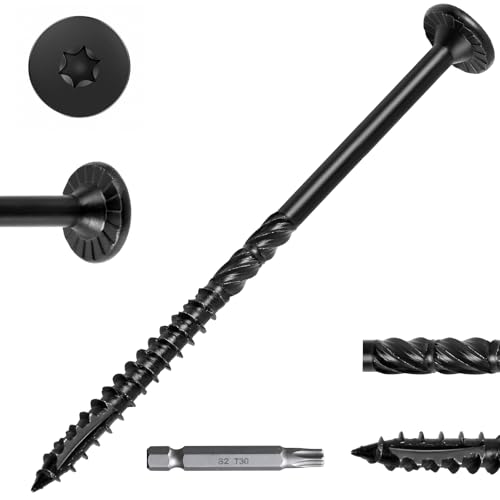
- Screws and Fasteners: Authentic older items often utilize square or slotted screws, whereas modern ones typically employ Phillips-head screws. The presence of handmade screws indicates age.
Signs of Wear and Patina
- Rust and Corrosion: Natural aging is often evident through patinas on metal parts. If rust is present, assess its extent; significant wear can indicate a longer existence.
- Finish Variations: Look for uneven finish or color changes that suggest extensive use or aging. Original finishes will typically showcase more character compared to later restorations.
- Attachment Methods: Traditional methods such as dowels or wooden pegs signify craftsmanship from earlier eras, whereas modern assembly may rely heavily on glue or staples.
Understanding the nuances of hardware can greatly enhance your ability to determine a piece’s age and authenticity. Pay close attention to these details; they are often the key to uncovering the true history of the item.
Joinery Techniques Commonly Used
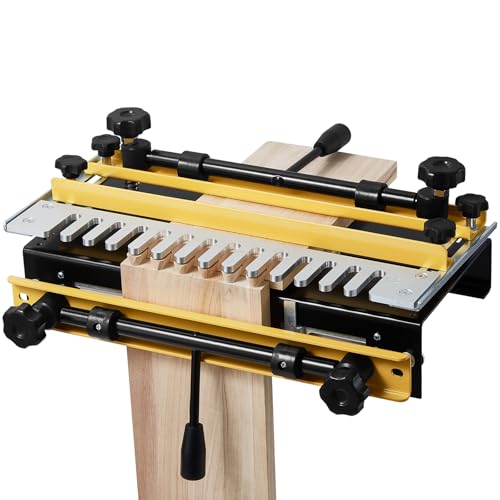
Analyzing the construction methods reveals insights into authenticity. Look for dovetail joints, a hallmark of quality craftsmanship, typically visible at drawer corners. These interlocking techniques enhance stability and strength.
Another notable method is mortise and tenon, often found in table legs and frame assemblies. This technique signifies durability and is generally harder to execute than simpler joints, indicating a higher level of skill.
Butt joints can be present, particularly in lesser-crafted pieces, but they suggest a more recent manufacture. Be cautious with these, as they may reveal shortcuts taken during production.
| Joinery Technique | Characteristics | Significance |
|---|---|---|
| Dovetail | Interlocking fingers, visible on drawer edges | Sign of quality craftsmanship |
| Mortise and Tenon | Wooden peg fitted into a rectangular hole | Durability and classical technique |
| Butt Joint | Simple square edges joined together | Often signifies lower craftsmanship |
| Finger Joint | Similar to dovetail but resembles fingers interlocking | Common in furniture made from smaller pieces |
Additionally, check for screws or nails. Hand-driven nails, visible in early pieces, contrast with machine-driven modern fasteners. This distinction can also provide clues about age and craftsmanship.
Understanding these techniques aids in discerning the genuine nature of each item. These insights can guide a collector toward appreciating the artistry involved in traditional woodworking methods.
Look for Signs of Wear and Patina
Examine surfaces for natural wear. Scratches, dents, and scuffed areas reflect genuine use over time rather than artificial aging. Pay attention to how the wood feels; a smooth surface indicates frequent handling, which often adds character.
Observe the finish. An authentic patina develops through exposure to light, air, and time. A rich, warm tone shows depth, while inconsistent coloration might suggest earlier refurbishment rather than original aging.
- Check edges and corners for mild abrasions or fraying, which suggest years of care and interaction.
- The presence of tiny cracks or splits can indicate natural aging, particularly in solid wood, and will enhance its rustic charm.
Inspect the underside. Surfaces that show wear are often a sign of authenticity, as they were less visible during use, and genuine pieces typically reveal more character underneath.
Lastly, consider the hardware’s appearance. Aged metal components often develop a patina that complements the overall aged aesthetic of the piece. Look for signs of rust or tarnish, as these can further confirm its authenticity.
Inspect the Style and Design Elements
Focus on the distinctive characteristics of the piece. Look for intricate carvings, ornate detailing, and unique shapes that reflect the design trends of a specific period. Each era has its own signature elements, such as the flowing lines of Art Nouveau or the geometric patterns of Art Deco.
Examine Decorative Features
Pay close attention to embellishments like inlays, curves, and designs that symbolize various styles. For instance, elements like claw feet or cabriole legs indicate craftsmanship from the 18th century. Furthermore, painted finishes and stenciling can hint at popular decorative practices used during a given time frame.
Cultural Influences and Regional Styles
Analyze influences from different cultures. Pieces that feature Asian motifs or colonial designs may reveal the origins. Local craftsmanship techniques, such as specific joinery styles or wood selection, can provide additional context regarding the item’s provenance and authenticity.
Research Any Markings or Labels Present
Thoroughly inspecting markings or labels can reveal much about a piece’s history. Seek out stamps, tags, or handwritten labels often located on the underside of tables, behind cabinet doors, or even within drawers. Manufacturers often leave these identifiers, which may include brand names, model numbers, or production dates.
Investigate Popular Brands
Researching known manufacturers can lead to fascinating insights. Familiarize yourself with prominent names in the industry, such as Stickley, Thomasville, or Drexel, as their styles and production techniques are distinctive. Moreover, some brands are associated with specific eras, which can help narrow down the timeline of production.
Assess Historical Context
Contextual information about the markings can enhance understanding. Explore production techniques and design trends during the time of specific labels. This knowledge can help build a clearer picture of the item’s origins and authenticity. Consulting trade guides or online resources dedicated to antique valuation can be invaluable in gathering further details.
Tracking down markings may involve contacting dealers or antique appraisers, as they may have access to proprietary databases or insider knowledge about less common manufacturers. Engaging with local antique groups or online forums can provide additional insights from fellow enthusiasts.
Understand the Furniture’s Provenance
Establishing the origin of a piece is crucial. Look for documentation, such as receipts or certificates, indicating where and when it was acquired. Contact any previous owners if possible; they might provide insights into its history. Researching the maker is equally important. Renowned artisans often left their mark through specific styles or techniques that can aid in confirming authenticity.
Key Sources for Provenance
| Source | Details |
|---|---|
| Antique Stores | Often provide background information on pieces sold. |
| Online Auctions | Detailed descriptions can sometimes include provenance. |
| Historical Societies | May have archives or resources related to past craftsmanship. |
| Art Museums | Exhibitions may feature specific works with detailed histories. |
Consulting Experts
If the piece’s background remains unclear, consulting an appraiser can provide valuable insight. Experts often have access to databases and resources that an average collector might not, allowing them to trace items back to their origins.
Evaluate the Overall Craftsmanship Quality
Examine the details meticulously. Look for consistent finishes, even grain patterns, and alignment in joints. High-quality pieces showcase skilled handwork, where imperfections are minimal and tell a story of craftsmanship.
Assess the sturdiness and durability. A strong structure often indicates careful construction. Tap or shake the item gently; it should not wobble or creak, which points to solid assembly methods.
Study the edges and corners. Smoothly finished edges demonstrate attention to detail and skilled techniques. Be wary of sharp or rough spots, as they may reflect rushed or inferior workmanship.
Check for natural variations in the wood. Authentic creations often reveal subtle inconsistencies, enhancing their character. Pieces that look overly polished or uniform might be mass-produced and lack individual artistry.
Inspect any carvings or embellishments. Intricate designs often require advanced skills and patience, while machine-made elements can be overly precise or uniform. Personal touches add value and charm.
Finally, consider the weight. Hefty items tend to be constructed with quality materials, which can indicate a lasting product. Light pieces may be made with inferior substances that compromise integrity.
Compare with Reference Guides and Resources
Consulting reference materials is critical for accurate appraisal. I recommend utilizing specialized books and online databases focused on antique assessment and vintage pieces.
Specific Resources to Consider
- Antique Catalogs: These often provide images and descriptions that align with various eras of craftsmanship.
- Online Antique Forums: Engaging with communities dedicated to vintage collectibles can yield insights and opinions from experienced collectors.
- Price Guides: Publications that estimate values can inform about market standards and help recognize quality standards.
- Museums and Exhibitions: Visiting exhibitions can offer a firsthand look at authentic examples, along with expert commentary.
- Online Auctions: Analyzing listings and sales can indicate market trends and authentic characteristics of sought-after pieces.
Utilizing Visual Aids
- Comparison Images: Use side-by-side comparisons with documented pieces to evaluate style and details.
- Documentary Resources: Films or series on history and design trends can deepen understanding of various periods in craftsmanship.
It’s beneficial to have multiple sources to develop a comprehensive perspective when analyzing a piece. By cross-referencing different materials, it becomes easier to spot discrepancies or confirm authenticity.