
 Caleb Turner

To distinguish iconic mid-century creations, first, examine the craftsmanship. Authentic pieces exhibit meticulous construction, often utilizing solid woods like maple and birch. Check for smooth edges and seamless joints, which indicate a high level of skill in their assembly.
Next, look for unique design elements that define this brand’s style. Iconic silhouettes, such as the famous tapered legs and distinctive curves, are hallmark traits. You may also encounter signature details like built-in drawers and unique hardware that elevate the functional aspects of the designs.


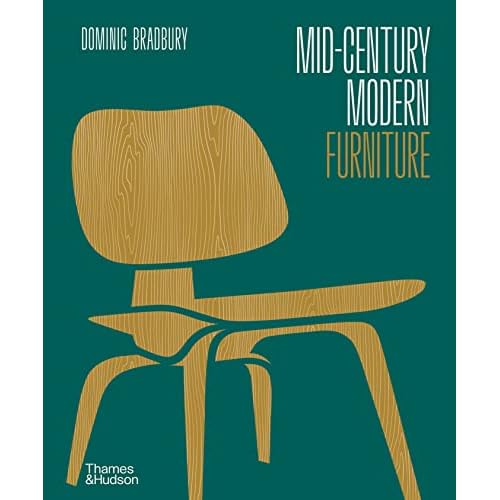
Another vital clue lies in the markings. Original items frequently feature a manufacturer’s stamp or label, which typically includes the brand’s name and production details. These marks can be located underneath surfaces or within hidden compartments, so don’t overlook these areas during your inspection.
Lastly, familiarize yourself with the common finishes used. Pieces from this era often showcase a rich, natural finish that highlights the wood grain. Overly glossy or synthetic-looking surfaces may indicate reproduction or inferior quality, detracting from the piece’s authenticity.
Identification Tips for Vintage Wood Creations
Check the cabinetry for smooth lines and rounded edges, which signify craftsmanship typical of mid-century designs. The characteristic use of blonde woods, particularly birch, is a strong indicator of authenticity.
Look closely at the construction methods. Quality pieces often incorporate mortise-and-tenon joints, providing durability. Avoid those assembled with merely nails or cheap screws.
Examine the hardware. Original pieces often feature brass fittings or unique designs, with a patina that signals age. If the hardware appears modern or mass-produced, that’s a red flag.
Review the design patterns. Iconic styles include distinctive curves and gentle slopes that define the silhouette. Check if the piece matches known patterns from catalogs published during its production era.
Inspect for branding marks. Many originals were stamped or branded with specific logos, which can typically be found on the underside or inside drawers. Familiarize yourself with these identifiers from the brand’s history.
Avoid pieces that are excessively refurbished. While it may seem appealing, significant alterations often detract from the original characteristics that enthusiasts value.
Seek professional opinions or consult vintage guides that specialize in the brand for further confirmation if you’re unsure. Engaging with knowledgeable communities can deepen one’s understanding and appreciation.
Examine the Manufacturer’s Mark and Labels
To confirm authenticity, inspect for the manufacturer’s mark, typically found on the underside or back of the item. Genuine pieces often showcase a distinctive stamp, commonly featuring the brand name alongside a specific logo.
Look closely at the design of the logo; it may change slightly over different production years. You might find a letter combination or a specific symbol that can pinpoint production dates. Pay attention to font styles, as these can also vary between different eras of production.
Labels can also provide insight into the authenticity. Original pieces often contain a paper label attached to a hidden area. Check for condition; older labels may exhibit wear but should still be legible. The absence of a label doesn’t automatically disqualify an item, as certain periods featured fewer labels.
Document any marks or labels you find, comparing these with reference materials available online or in collector’s books. Many collectors maintain databases that can help clarify when particular marks were used. This research might uncover details that directly link a piece to its original era, enhancing your understanding of its history and value.
Analyze the Wood Type and Finishes Used
To ascertain the origins of a particular piece, I focus on the wood species and finish employed. Heywood-Wakefield is renowned for employing specific types of hardwood that reflect its craftsmanship.
Key wood types to observe include:
- Birch: Commonly used in vintage pieces, noted for its fine grain and durability.
- Maple: Presence in many models, often light-colored with a smooth finish.
- Walnut: Found in occasional items, recognized for its rich hue and distinct patterns.
Next, examining the finish can yield valuable insights. Look for:
- Natural Oils: Original pieces often had a hand-rubbed oil finish that enhances the wood grain.
- Lacquer: A high-gloss lacquer finish indicates post-1940s production, as this method became popular during that era.
- Stains: A medium stain color, enhancing the natural beauty of the wood, is typical in older styles.
Assessing the condition and consistency of the finish also reveals age. Wear patterns and fading can signify authentic pieces, while overly polished surfaces suggest restoration or modern reproductions.
In summary, recognizing specific wood types alongside their finishes allows for determining authenticity effectively. Engage directly with the piece for a tactile sense, comparing elements on similar items from the same period to validate findings.
Distinctive Design Features and Styles
Curved Lines: I often notice the elegant, sweeping curves that define many pieces, adding a touch of sophistication.
Sleek Silhouettes: The furniture typically showcases streamlined shapes, reflecting an emphasis on minimalism.
Wood Grain Aesthetics: The rich, warm tones of the wood accentuate its natural beauty. I appreciate the intricate grain patterns that are unique to each item.
Mid-Century Modern Influence: Pieces often carry a blend of traditional craftsmanship with a modern twist, evident in their functional and stylish designs.
Unique Hardware: I frequently observe distinctive metal pulls or knobs that enhance the overall design, often characterized by simple yet striking forms.
Aesthetic Details: Look for elements such as tapered legs, which not only add elegance but also a sense of lightness to the visual profile.
Variety of Finishes: I appreciate the range of finishes, from smooth and glossy to matte, allowing for customization and versatility in decor.
Functional Aspects: Many designs incorporate clever storage solutions without compromising visual appeal, a hallmark of design ingenuity.
Mixing Materials: I have seen pieces that cleverly combine wood with metal or glass, showcasing a harmonious blend of textures and finishes.
Iconic Patterns: Upholstered items often feature unique textile patterns that reflect the aesthetic sensibilities of the era.
Assess the Construction Techniques and Joinery
I focus on specific construction techniques and joinery as key indicators of authenticity in these vintage pieces. Look for tight, precise joints that showcase superior craftsmanship. Dovetail joints, especially in drawers, should be visible and neatly executed, a hallmark of high-quality manufacturing.
Pay attention to the method of assembly; many authentic items use methods like mortise and tenon or dowel joints, which provide robust structural integrity. These joints often appear as simple, clean lines rather than bulky or artificial connections.
Details to Observe
- Dovetail Joints: Examine the corners of drawers; they should feature evenly spaced and tapered pins.
- Wood Grain Alignment: Look for continuity in the wood grain across joints; mismatched patterns can indicate inferior assembly.
- Finish and Sanding: Note the smoothness of surfaces and consistency of finish; superior pieces often display finer sanding and multiple coats of varnish.
Also, consider the weight of the items; quality wood furniture tends to be heavier due to solid construction. Flimsy pieces often hint at cheaper manufacturing methods.
Joinery Characteristics
- Examine the back of cabinets, chairs, or tables for signs of craftsmanship like splined or reinforced edges.
- Check the underside of tables and shelves for additional bracing or supports, a sign of durability.
- Inspect hardware; original screws and fittings often reflect the period’s design and are of sturdier quality than modern alternatives.
Documentation from suppliers or previous owners can provide further insight into specific assembly techniques used. Evaluating these elements with a discerning eye will reveal the quality and authenticity of the piece you’re assessing.
Research Common Models and Their Characteristics
Focusing on specific models significantly enhances the understanding of craftsmanship associated with this brand. The most prevalent styles include the “Modern” series, “Cottage” pieces, and “Timeless” collections. Each variety features distinct elements worth exploring.
Modern Series
The Modern series showcases clean lines and minimalist design. Look for pieces with tapered legs and angular forms. These models often incorporate unique geometric patterns within the wood grain, emphasizing simplicity and elegance.
Cottage Collection
This collection is characterized by more whimsical shapes and softer details. Pieces frequently include decorative carvings or embellishments. The finishes tend to be lighter, often highlighting natural wood tones that convey a cozy and inviting aesthetic.
| Model | Characteristics |
|---|---|
| Modern | Clean lines, tapered legs, geometric grain patterns |
| Cottage | Whimsical shapes, decorative carvings, lighter finishes |
| Timeless | Classic designs, traditional joinery, rich wood tones |
Understanding these models provides insight into the quality and style synonymous with this brand. Recognizing individual characteristics assists in making informed assessments during acquisition or restoration processes.
Utilize Online Resources for Verification and Comparison
For authenticating antique pieces, I turn to various online platforms dedicated to vintage items. Websites like eBay and Etsy often have listings for similar articles, which allows me to compare features and pricing. Photos from these listings act as a reference point, revealing intricate details that distinguish authentic items from replicas.
Forums and social media groups centered around vintage décor offer invaluable insight. Engaging with collectors who share their experiences can provide clarity on specific characteristics and market trends. Platforms such as Facebook groups or Reddit threads can be particularly enlightening.
Online databases and catalog archives, which sometimes include previously published advertisements, frequently contain information about designs and models. I find these resources helpful for assessing value and rarity. Websites like Reverb or Chairish may provide additional context regarding a particular piece’s age and provenance.
Additionally, I explore blogs and websites specialized in antique assessments, as they often publish articles that analyze specific brands or styles in depth. These resources can guide me in identifying accurate dimensions, materials used, and common stylistic elements for the items I’m researching.
By leveraging these online resources effectively, I can strengthen my understanding and confidence in recognizing these unique creations. This research helps me in making informed decisions during purchasing or appraising processes.


