
 Caleb Turner

Combine an equal ratio of paint and the medium for an optimal finish. This mixture enhances flow without losing color vibrancy, allowing for seamless transitions between hues.
Before applying, ensure your surface is clean and dry. A prepped canvas aids in achieving a smooth and even application. To begin, mix your colors directly on a palette, adding the medium gradually until the desired consistency is reached.
For ideal impact, utilize a broad brush or palette knife to spread the mixture evenly across your canvas. Work from the darker shades to lighter ones, layering the product to create depth in your artwork. Keep your tools moist; this prevents the mixture from drying on them and maintains its flexibility.
If you wish to extend the drying time, apply a second layer only after the first one has slightly set. This technique allows for additional manipulation of the colors before they harden. After completion, clean your equipment thoroughly with warm soapy water, ensuring no residue remains.


With practice, these steps can elevate your artistic skills, unlocking new creative possibilities in your projects.
Selecting the Right Tools for Blending
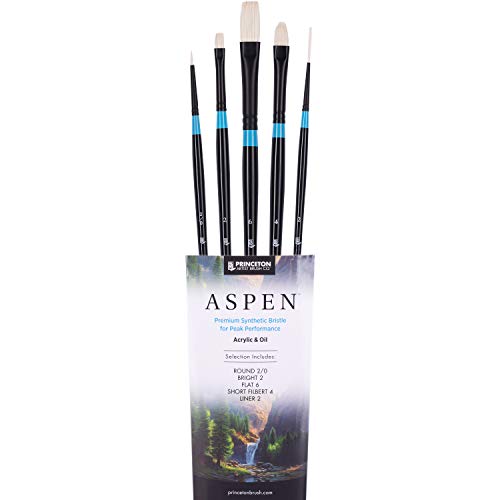
Opt for high-quality brushes with soft, synthetic bristles. Their flexibility allows for smooth transitions and seamless color merges. Round and flat shapes serve different purposes; round brushes excel at detail work, while flat ones cover larger areas effectively.
A palette knife is indispensable for mixing. Its sturdy blade permits controlled application and creates textures, adding depth to your work. Plastic knives are lightweight and easy to clean, making them a convenient choice.
Additional Accessories
Sponges offer a unique approach for softening edges and creating blends. Choose natural or synthetic options based on your desired finish. Tacky and clean, they absorb and apply color evenly without leaving streaks.
Experiment with blending sticks or tortillons to achieve fine details. These tools are excellent for manipulating layers, allowing precision in smaller areas. Keep a range of sizes to accommodate various effects.
Preparing Your Workspace for Gel Medium Application
Before applying any viscous medium, it’s vital to establish a clean and organized environment.
- Choose a flat surface, ideally a table or desk, free from dust and clutter.
- Cover the workspace with a plastic sheet or newspapers to protect against spills and stains.
- Set up good lighting, ensuring you can see your materials and surface clearly.
Organize necessary supplies within easy reach:
- Place all implements like brushes, palette knives, and mixing trays close by.
- Have a container for water and a cloth for quick cleaning.
- If using acrylic paints, ensure they are properly closed to avoid drying out.
Consider the temperature and humidity of the area; moderate conditions facilitate better blending results.
Lastly, take a moment to relax your mind. Approach your work with focus, preparing for an inspiring creative session.
Mixing Techniques with Slow Dry Blending Gel
To achieve a seamless blend, I often begin with a palette knife for mixing colors thoroughly into the translucent paste. This tool allows precise control over the amount of color added, ensuring the hues remain true while creating a soft texture.
For layering techniques, I apply a thin coat of the product, allowing each layer to dry slightly before adding another. This approach enhances depth and complexity, making transitions more natural. Using a flat brush, I feather the edges to soften them further.
I frequently experiment with different ratios. Combining equal parts paint and mediator results in a smooth effect, while a higher ratio of the transparent substance gives a glaze-like finish, perfect for subtle variations. Documenting these ratios helps replicate successful blends.
Mixing with a wet brush has proven effective for creating gradients. I moisten the brush before dipping it into the paint and then into the product, allowing for a gradual transition of colors. This method is particularly useful for skies or skin tones.
Incorporating a small amount of retarder into the mix extends the working time, which I find beneficial during detailed work. This additive slows drying, promoting greater manipulation without the fear of rapid curing.
| Technique | Description |
|---|---|
| Palette Knife Mixing | Use for color control and thorough blending. |
| Layering | Apply thin coats with drying in between for depth. |
| Ratio Experimentation | Adjust ratios for different effects, documenting for consistency. |
| Wet Brush Gradients | Create smooth transitions using a moistened brush. |
| Adding Retarder | Extends working time for detailed blending. |
These techniques, combined with a thoughtful approach to color mixing, lead to remarkable results in my artwork. Adjusting my method based on the desired outcome allows for creative exploration while working with this versatile medium.
Layering Colors Using Gel Medium
I recommend applying thin layers for optimal results. Begin with a light base layer, allowing it to dry before adding subsequent coats. Each application should blend seamlessly into the previous one. This technique enhances depth and complexity in your artwork.
Building Depth
Select a palette of complementary hues to achieve richness. Start with the lightest tone and gradually introduce darker shades. Apply the first layer and let it dry. Then, mix a small amount of color with the medium, applying it with a soft brush for smooth transitions while retaining texture.
Creating Textures
<pExperiment with different tools such as palette knives or sponges to create unique patterns. Incorporating these tools into your workflow adds a tactile dimension. For example, use a palette knife to scrape through dried layers, revealing previous colors underneath. This technique offers a stunning visual effect, highlighting the interplay of colors.
Working with Different Paint Types and Gel Medium
Choosing appropriate paint types significantly impacts the results when incorporating a thick mixture. Both acrylic and oil paints interact differently with the thick substance, leading to unique textures and finishes.
- Acrylic Paint: This water-based option blends seamlessly with the thicker substance. Its fast-drying nature allows for quick layering, although it requires adjustment for extended working time.
- Oil Paint: The slow drying characteristic of oil paint complements the use of a thick substance, facilitating prolonged manipulation and blending on the canvas. This combination permits nuanced transitions between hues.
It’s beneficial to conduct test swatches before commencing a project. Start with small amounts of both the paint and thickening agent to observe how they interact and establish your preferred ratio. This experimentation paves the way for achieving desired effects.
- For acrylics, consider a balance of 1 part paint to 1 part thick substance, gradually adjusting based on your texture preference.
- With oil paints, a thicker ratio of 2 parts paint to 1 part thick mixture may yield the ideal consistency for blending.
Each paint type delivers distinct characteristics when mixed with the blending agent, allowing for remarkable variety in artistic expression. Understanding these dynamics enables effective manipulation for optimal creativity. Experimentation is key.
Cleaning and Maintaining Brushes After Use
Immediately rinse brushes in lukewarm water after completing work with the medium. Avoid hot water, as it can damage the bristles. Gently move the bristles in the water to remove excess paint. For stubborn residue, use a mild soap specifically designed for paints; a small amount on your fingers can help remove built-up product.
After rinsing, reshape the bristles to their original form before laying the brush flat or hanging it bristle-up to dry. This prevents water from seeping into the ferrule, which could loosen the bristles over time.
To prolong the life of your tools, regularly inspect them for any signs of wear or damage, such as split bristles or a loose ferrule. Replace brushes as needed to ensure optimal performance.
For synthetic brushes, consider soaking them in a brush cleaner to further eliminate oils and pigments. Always follow the manufacturer’s instructions regarding care and cleaning to maintain their functionality.
Store brushes upright in a holder or flat in a protective case to prevent warping or damage. Keeping bristles covered can also prevent dust accumulation and maintain their shape.
Tips for Achieving Desired Texture and Finish
Experiment with different thicknesses. The amount of product applied directly influences the texture; thicker layers create a more pronounced surface feel, while thin applications yield a smoother finish.
Incorporate layering techniques for depth. Begin with a base layer, let it cure completely, and then apply subsequent layers with varied colors to enhance visual interest. Each layer adds complexity to the final look.
Add texture with various implements. Tools such as palette knives, sponges, or even unconventional items like old credit cards can produce unique patterns and effects, enriching the overall appearance.
Mind the drying time between layers. Allow sufficient time for each layer to cure before proceeding; this prevents the colors from mixing unintentionally and maintains clarity in your compositions.
Experiment with additives. Mixing in materials like sand or small beads can create an intriguing tactile experience, elevating the finished piece beyond standard paint applications.
Control your environment. Humidity and temperature can affect drying times and interactions between layers. Aim for a stable, dry workspace to achieve consistent results.
Test on scrap material. Before applying techniques on your main project, use a spare piece to see how variations in application and technique alter the texture and finish.
Observe the final result under different lighting. Light can dramatically change the appearance of the texture, helping to identify areas that may need adjustments or additional layering.


