
 Caleb Turner
To restore the integrity of your rattan creations, begin with high-quality adhesives specifically formulated for natural materials. I recommend using a water-resistant compound designed to bond both wood and synthetic structures, ensuring lasting durability even in humid conditions.
Ensure that the surfaces to be joined are clean and free from dust or debris. A gentle wipe with a damp cloth followed by a quick drying process will optimize adhesion. Apply a thin layer of the adhesive on both surfaces, allowing it to set for a minute before pressing them together firmly.
Utilizing clamps or heavy objects to maintain pressure on the joint will significantly enhance the bonding process. Allow the assembly to cure according to the manufacturer’s specifications, typically 24 hours, before using the item again. This will not only secure the repair but also prolong the life of your cherished pieces.


Repairing a Woven Piece
I recommend using a high-quality adhesive specifically designed for natural materials. Ensure the surfaces to be bonded are clean and dry.
Follow these steps for effective repair:
- Apply adhesive evenly to both surfaces.
- Press the pieces together firmly for at least 30 seconds to ensure a strong bond.
- Use a clamp or weight to hold them in place while the adhesive cures as per the manufacturer’s instructions.
Best Adhesive Types
- PVA glue – ideal for absorbent materials.
- Epoxy – offers stronger bonding for heavier loads.
- Contact cement – allows for repositioning shortly after application before full bonding occurs.
Maintenance Tips
Keep the bonded areas clean and free of moisture. Regularly inspect for any signs of wear or loosening, and address them promptly to avoid larger repairs later.
Choosing the Right Adhesive for Wicker
For any repair involving braided materials, the selection of a suitable bonding agent is paramount. I recommend opting for a polyurethane-based adhesive or a strong epoxy resin. These types provide excellent cohesion and can withstand varying temperatures and humidity levels, making them ideal for both indoor and outdoor settings.
Polyurethane Adhesives
Polyurethane adhesives are known for their flexibility and durability. They expand as they cure, which helps fill gaps in the material. Ensure that the surfaces are clean and dry before application, as these adhesives bond effectively only on prepared surfaces. I typically find that a light sanding of the area can enhance adhesion.
Epoxy Resins
Epoxy resins consist of two parts: a resin and a hardener. Mixing them activates the bonding process, creating a robust and long-lasting bond. Be aware that epoxy can be somewhat less flexible when cured, which may be a consideration based on the project’s requirements. Always follow the manufacturer’s instructions regarding mixing and application times for optimal results.
When repairing these types of items, I often keep clamps or weights ready to hold the pieces together while the adhesive cures. Patience during this phase can result in a strong and lasting repair that restores the beauty and utility of your cherished items.
Preparing the Wicker Surface for Gluing
Clean the surface thoroughly. Use a soft brush or vacuum cleaner to remove dust and debris. Ensure that any loose strands or frayed edges are trimmed away to create a flat area for adhesion.
Moisten a cloth with a mixture of water and mild soap. Wipe the surfaces to eliminate any greasy residues or stains that could hinder bonding. Allow the material to dry completely before proceeding.
Examine for structural integrity. Identify any weak points or damage. If necessary, reinforce these areas with additional supports or repair materials to enhance durability.
To enhance adhesion, lightly sand the bonding surfaces. This creates a rough texture that allows adhesives to grip more effectively. Use fine-grit sandpaper to avoid damaging the fibers.
| Step | Description |
|---|---|
| 1 | Clean the surfaces with a brush or vacuum. |
| 2 | Use a soapy cloth to remove grease. |
| 3 | Inspect for weak points and repair as needed. |
| 4 | Lightly sand the bonding areas. |
Finally, ensure that the work area is well-ventilated. This is critical for both your safety and ensuring that the adhesive performs optimally during the bonding process.
Reinforcing Weak Joints in Woven Items
I recommend using wooden dowels or metal brackets for adding strength to weak connections. First, identify the joints that need reinforcement. Remove any old adhesive residue from the surface before proceeding. Drill small pilot holes into the existing joint, ensuring they align with your chosen dowels or brackets.
Using Dowels
For dowels, select a diameter that fits snugly into the drilled holes. Apply a strong adhesive to both the dowel and the joint. After inserting the dowel, clamp the joint together and allow it to cure according to the adhesive instructions for maximum strength.
Utilizing Metal Brackets
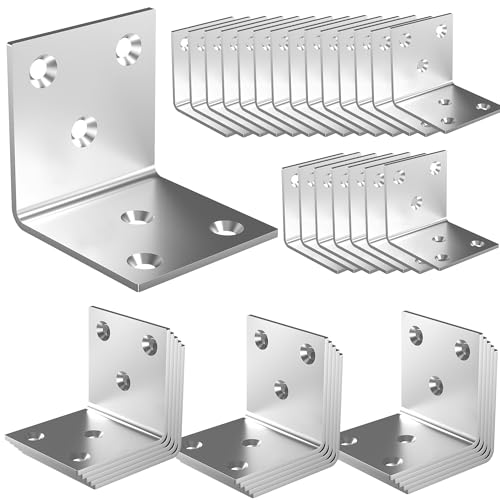
If opting for metal brackets, position them strategically to provide extra support. Use screws designed for the material to secure the brackets firmly. This method not only reinforces the joint but also adds stability to the overall structure.
Step-by-Step Guide to Applying Adhesive
For a strong bond, I carefully prepare and apply adhesive following these steps:
1. Apply the Adhesive
Using a precision applicator, I apply a sufficient amount of adhesive directly to the surfaces needing repair. I focus on spreading it evenly to avoid excess that can ooze out. For intricate areas, I use a small brush to ensure complete coverage.
2. Join the Pieces
Once the adhesive is applied, I align the components precisely, pressing them together firmly. I check the fit to ensure no gaps exist, as this affects the bond strength.
| Action | Description |
|---|---|
| Apply the Adhesive | Use an applicator for even coverage. |
| Join the Pieces | Align and press to eliminate gaps. |
| Secure with Clamps | Use clamps to hold pieces together during curing. |
| Clean Excess | Wipe away any excess adhesive immediately. |
After assembly, I use clamps or weights to apply uniform pressure, ensuring a strong bond while the adhesive cures. I wait the recommended time before moving or using the item, giving the adhesive ample time to set fully.
Techniques for Aligning Wicker Pieces
To achieve precise alignment while working with these materials, I rely on a few key techniques:
-
Visual Marking: I often use a pencil to make light marks on the surfaces that need to be aligned. This allows me to clearly see where each piece should fit before applying any adhesive.
-
Using Clamps: Employing clamps helps to maintain pressure while the adhesive sets. I choose the right size clamps to ensure they do not damage delicate strands but provide adequate pressure for bonding.
-
String Alignment Method: For larger constructs, I stretch a piece of string across the area to maintain line alignment. This is particularly useful when working with multiple components simultaneously.
-
Pre-Assembly Fitting: I always do a dry fit before securing the pieces together. This trial run reveals any misalignments and allows me to make adjustments without any adhesive interference.
-
Leveraging Weight: Sometimes, I place a weight on top of the sections to keep them in place during the curing phase. This ensures optimal contact between surfaces.
By implementing these techniques, I enhance the overall structural integrity of my creations, ensuring they look great and hold up over time.
Drying Time and Curing Process Explained
Ensure to allow adequate time for the adhesive to dry properly. Most products will indicate drying times on their packaging, which typically range from 30 minutes to several hours depending on environmental factors and the adhesive used.
Factors Affecting Drying Time
- Temperature: Warmer environments can speed up drying times.
- Humidity: High humidity can prolong the drying process.
- Material Porosity: More absorbent materials may require longer curing times.
The curing process goes beyond just drying. It refers to the complete chemical reaction that occurs within the adhesive, leading to optimal bond strength. This process may take from 24 to 72 hours, depending on the specific adhesive and conditions.
Best Practices During Curing
- Minimize movement: Keep the pieces undisturbed for the duration of the curing time.
- Provide ventilation: Good airflow can help achieve a stronger bond more quickly.
- Monitor temperature and humidity: Adjust indoor conditions if necessary to meet the adhesive’s requirements.
Patience is key. Avoid using the repaired item until the adhesive has fully cured to ensure lasting results. Observing these guidelines will help maintain the integrity and longevity of your restored item.
Finishing Touches After Gluing
After securing the natural fibers, I recommend inspecting the joints closely for any excess adhesive. It’s crucial to wipe away any overflow before it dries; a damp cloth or sponge works best for this task. Careful removal not only improves aesthetics but also helps maintain flexibility in the surrounding areas.
Reinforcing the Bond
To further enhance the strength of each connection, I like to apply light pressure to the joined pieces for a few minutes. Using clamps can be very beneficial here, but be cautious not to apply excessive force that could distort the structure.
Final Inspection and Touch-Up
Once the adhesive is fully cured, I take a thorough look at the entire piece. If I notice any misalignment, I use sandpaper to gently refine those areas. For superficial imperfections, a touch of matching stain can help blend the repaired spots with the rest of the design.
Additionally, I often finish with a coat of protective sealant. This not only enhances durability but also provides a beautiful shine to the final product, making it look brand new. Applying the sealant with an even hand is key to achieving that professional finish. Allow ample time for it to dry completely before using the item again.
Maintaining Rattan Creations Post-Repair
After completing the repair, I focus on preventing future issues. Regular dusting with a soft cloth keeps surfaces clean. I avoid harsh chemicals; instead, a mild soap solution works wonders for deeper cleaning.
To preserve the joints, I limit exposure to direct sunlight and moisture. Placing the items in shaded areas helps maintain their structural integrity and original color. Using a suitable spray or polish designed for natural fibers also enhances durability.
I keep an eye on the condition of the connections periodically. For instance, if I notice any signs of wear, I reapply the protective coating immediately to safeguard the material.
Additionally, I always store these items indoors during adverse weather, especially high humidity or heavy rain. This preventive measure significantly extends the lifespan of my cherished pieces.
Finally, I treat any new damage promptly. Addressing issues right away prevents complications and ensures that my rattan creations remain in great shape.
FAQ:
What types of glue are suitable for wicker furniture?
For wicker furniture, the best types of glue are polyurethane adhesives and PVA glue (white glue). Polyurethane adhesives are particularly strong and water-resistant, making them suitable for outdoor wicker pieces. PVA glue works well for indoor wicker and is easy to clean up with water before it dries. Always check if the glue is compatible with the materials of your furniture.
How do I prepare my wicker furniture for gluing?
Before applying glue, clean the areas to be bonded. Remove any dirt, dust, or old adhesive using a soft cloth and a gentle cleaning solution. For damaged areas, trim any frayed edges and ensure the pieces fit snugly together. If the wicker is extremely dry, consider lightly sanding the surface to help the adhesive bond better. Make sure to work in a well-ventilated area to avoid any strong fumes from the glue.
Can I repair wicker furniture by gluing it together, and how long will it last?
Yes, you can repair wicker furniture by gluing broken or loose pieces together. If done correctly, a good adhesive bond can last for many years, especially if it is maintained properly. To ensure longevity, avoid exposing the glued area to excessive moisture or intense sunlight. Regularly check the repaired area for any signs of wear or deterioration to address issues early on and prolong the furniture’s life.
What is the best method for applying glue to wicker furniture?
To apply glue effectively, use a small brush or a toothpick for precision. Apply a thin layer of glue to both surfaces being joined, ensuring an even coverage without excess. Press the pieces together firmly and, if needed, use clamps or tape to hold them in place while the glue dries. Follow the manufacturer’s instructions for drying times, which can vary depending on the type of adhesive used. Avoid moving the piece until it is fully cured for the best results.


