
 Caleb Turner

To achieve an authentic aged appearance, I recommend starting with a base of sandpaper. This allows for controlled distressing, focusing on edges and surfaces that would naturally wear over time. Grits ranging from 80 to 220 work well, depending on the desired level of roughness.
Next, apply a stain or paint in muted tones that mimic the hues of reclaimed wood. A grayish-brown or soft white can evoke a sense of history. Use a brush or rag to ensure an even application, but don’t hesitate to wipe off excess for a more subtle finish. This technique enables light to catch on the textured finish, enhancing the visual depth.
Layering becomes key in this process. Consider using a dry brushing technique; dip a stiff-bristled brush into the paint, then remove most of it before lightly sweeping across the surface. This method can create a charming, worn effect that highlights the grain and imperfections.


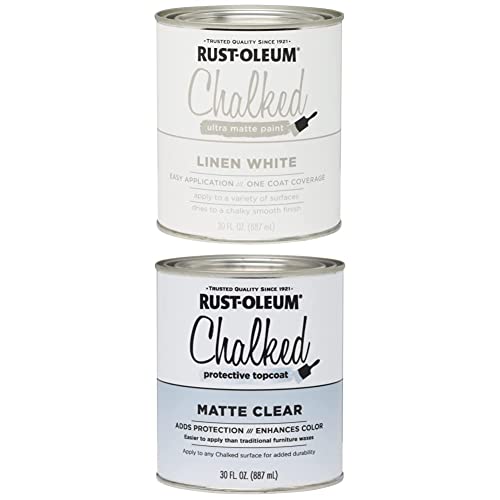
Lastly, seal the surface with a matte or satin polyurethane to protect the finish while maintaining that rustic charm. This step ensures durability without sacrificing the character you’ve worked hard to develop.
Achieving an Aged Appearance for Your Pieces
Begin with a base coat of a soft, muted shade. Colors like pale gray or off-white set an excellent foundation for a rustic charm. Allow the paint to dry completely before proceeding.
Distressing Techniques
- Use sandpaper or a sanding block to gently wear down edges and raised surfaces. Focus on areas that would naturally experience wear over time.
- For a deeper effect, try a technique called dry brushing. Dip a brush in a contrasting color, then wipe most of the paint off before lightly applying it over the surface.
- Employ a hammer or a chain to create dents and scratches, simulating the effects of age and use.
Sealing and Finishing
- After distressing, apply a matte or satin finish clear sealer to protect the surface while maintaining that rustic vibe.
- Consider a wax finish in specific areas for added texture and a gentle sheen.
Experiment with layering different shades or finishes to achieve a unique outcome. Each attempt offers the chance for creativity and personalization.
Selecting the Right Furniture for Weathering
Choosing materials is crucial. Opt for hardwoods like oak or pine as they naturally show age and develop character over time. These species’ porous structures absorb finishes, making them suitable for distressing techniques.
Assessing Texture and Grain
Look for pieces with visible grain patterns. Open grain woods can enhance the aesthetic appeal when treated with stains or paints that mimic natural wear. Softwoods can also work, though they may require more maintenance to achieve the desired effect.
Considering Existing Finishes
Examine the current surface treatment. Items with existing paint or varnish may yield different results depending on how well they can be stripped or distressed. Furniture made from bare wood can offer more flexibility in achieving your artistic vision.
While shopping, keep an eye out for imperfections or signs of prior wear. These features can contribute to the overall authentic vibe, ensuring a cohesive appearance post-treatment.
Preparing Surfaces: Cleaning and Sanding
The first stage involves thorough cleaning. Remove any dust, grime, or old paint using a damp cloth or sponge. For stubborn stains, a gentle cleanser works effectively. Ensure the surface is completely dry before proceeding.
Sanding Techniques
Sanding plays a critical role in achieving the desired aged appearance. Utilize sandpaper with a medium grit (around 120) to smooth rough areas. Follow this with finer grit (220) for a polished finish. Always sand in the direction of the grain to avoid visible scratches.
Tips for Sanding
Employ a sanding block for flat surfaces to maintain even pressure. For intricate designs or corners, consider using sanding sponges for better access. Pay attention to detail, as uneven areas can hinder the final result.
| Step | Action |
|---|---|
| 1 | Clean surface with damp cloth or sponge, using gentle cleanser if necessary. |
| 2 | Allow surface to dry completely before sanding. |
| 3 | Sand with medium grit (120) to smooth rough spots. |
| 4 | Finish with fine grit (220) for a refined texture. |
| 5 | Use sanding block or sponge to ensure even sanding across all surfaces. |
Regularly check the surface for smoothness during the process, as this can significantly enhance the aged effect once paint or finish is applied. With these preparations complete, the base for achieving that desired character is well on its way.
Choosing the Best Paints and Stains
For achieving a rustic charm, I prefer using chalk paint for its matte finish. It’s easy to distress and gives an aged appearance without requiring extensive prep work. For outdoor items or surfaces exposed to moisture, oil-based paints work best due to their durability and resistance to the elements.
Stains provide transparency that highlights the natural grain. I often select water-based stains, which dry quickly and allow for easy clean-up. A gray stain, in particular, can evoke a classic vintage essence, enhancing the aged effect. If I’m aiming for a whitewashed look, I dilute a stain with water, which softens the color while allowing the underlying texture to show.
Experimenting is key. I recommend testing multiple shades on scrap pieces to find the perfect hue. Layering different finishes can create depth and complexity, so I sometimes apply a light coat of one color followed by a darker shade, distressing areas to reveal underlying layers.
Sealants are also significant. A matte or satin topcoat protects the finish while maintaining a natural feel. I generally choose a polyurethane sealant, as it provides robust defense against scratches and spills, particularly on highly used surfaces.
Ultimately, by selecting the right combination of paints and stains, I can achieve that desired weathered finish, transforming any piece into a unique statement.
Applying the Base Coat for Weathered Finish
The base coat serves as the foundation for achieving the desired aged effect. Choose a color that simulates the undertone of weathered wood. I recommend selecting a light shade or a muted tone to create contrast with the final layers.
Materials Needed
- Primer (optional, based on the surface)
- Paintbrush or roller
- Paint or stain of the chosen base color
- Distilled water (if using water-based products)
- Drop cloths to protect surrounding areas
Preparation Steps
- Ensure the surface is clean and free of dust.
- If necessary, apply a primer for better adhesion, particularly on slick surfaces.
- Mix the paint thoroughly, adding distilled water to achieve the right consistency.
Apply the base layer evenly with a brush or roller. For a subtle texture, use a dry brush technique where I lightly drag the previously used brush over the layer before it dries. This creates an uneven finish, which is crucial for the antiquated style.
Allow the base coat to dry completely before proceeding. Typically, this may take a few hours, depending on the product used. After drying, assess the coverage; if the finish appears too solid, consider applying a light sanding to soften the look.
Once you achieve the desired base, you’re ready to enhance it with additional layers or techniques, such as aging and distressing.
Techniques for Distressing Wood
Use a hammer or a chisel to create dents and dings, replicating the inevitable wear and tear from years of use. Randomly hit the surface to add character seamlessly.
For a more controlled approach, try sandpaper with varying grits. Start with a coarser grit to remove material in some areas, then switch to a finer grit for smoothing out edges, creating an authentic aged appearance.
Natural Aging
Expose the wood to sunlight and moisture by leaving it outdoors for several weeks. This method enhances color variations and can gray the surface, which mimics natural weathering.
Paint and Scrape
- Apply a base coat of paint and let it dry. Use a scraper or a putty knife to gently remove paint from corners and edges.
- Experiment with various tools such as steel wool or scouring pads to create a range of textures.
- Mix a bit of vinegar with steel wool for an aging solution, giving wood a more silvery tone as it interacts with the tannins.
Finally, finish with a clear coat to protect the surface while maintaining the distressed features, ensuring a balanced look that enhances overall appeal.
Creating a Patina with Glazes and Washes
Begin with a glaze that matches the color palette desired for your piece. Mix a clear glaze with a small amount of acrylic paint or stain. For a subtle effect, aim for a ratio of 4 parts glaze to 1 part paint. This ensures transparency while introducing color.
Apply the glaze using a soft brush, working in manageable sections. Use long, smooth strokes to avoid streaks. For intricate details, a smaller brush can help reach tight corners. Allow the glaze to sit for a few minutes before wiping excess with a lint-free cloth, revealing the underlying base coat. This technique enhances depth and creates that coveted aged appearance.
If a more extensive patina is required, consider using a wash. Mix equal parts water and acrylic paint to create a diluted consistency. This can be applied liberally with a wide brush, allowing it to soak into the wood’s pores. Once applied, gently wipe away the excess with a damp rag. This adds an organic, timeworn feel and can be layered for increased complexity.
For a layered effect, after the first glaze or wash dries, apply additional coats in contrasting tones. Use lighter shades for highlights and darker tones for shadows. This technique mimics the natural weathering processes and gives the surface more character.
Finally, seal your creation with a clear matte finish. This protects the color while maintaining a natural look, ensuring your artisan piece stands the test of time.
Sealing and Protecting Your Aged Pieces
Apply a clear topcoat to ensure durability and maintain the charm of the surface. Use a high-quality polyurethane or water-based sealant, allowing for effective protection against scratches, stains, and moisture. Ensure the base is completely dry before proceeding to this step to achieve optimal results.
Recommended Topcoat Products
| Product | Type | Finish |
|---|---|---|
| Minwax Polycrylic | Water-based | Clear satin |
| Varathane Ultimate Polyurethane | Oil-based | Gloss |
| Rust-Oleum Chalked Clear Coat | Water-based | Matte |
| General Finishes High Performance | Water-based | Satin |
For excellent long-lasting results, apply at least two coats of your chosen sealant. Lightly sand between coats using fine-grit sandpaper to promote adhesion and ensure a smooth finish. Allow the final coat to cure fully, which may take several days depending on the product used and environmental conditions.
Consider using a wax finish for additional warmth and a softer sheen. Apply the wax using a clean cloth, buffing it into the surface in circular motions. Regular maintenance with a wax application can rehydrate the surface over time, enhancing its aged appeal.
Maintenance Tips
Wipe spills promptly to prevent damage. Clean surfaces with a soft, damp cloth to avoid scratching. Avoid harsh chemicals that can degrade the protective layer. Periodically check for wear; reapply sealant as necessary, especially in high-use areas.
Tips for Maintenance and Upkeep of Weathered Pieces
Regular dusting with a soft, dry cloth keeps surfaces clean and prevents grime buildup. This simple step protects the aged finish.
Preserving the Finish
Avoid harsh chemical cleaners. Instead, opt for a mild soap solution diluted with warm water for light cleaning. Always follow with a damp cloth to remove any residue.
Reapply a topcoat of wax or sealant every six months to maintain the integrity of the surface. This prevents stains and minor scratches from penetrating deeper.
Addressing Scratches and Dings
For minor imperfections, use a wood touch-up marker or a stain pen that matches the hue. Carefully blend these products into the area, then buff lightly with a soft cloth.
For deeper scratches, a combination of wood filler matching the original tone and sanding can help restore the piece’s character without losing its charm.
Keep humidity levels stable in your space. Excess moisture can warp wood, while too dry conditions may cause cracking. A humidifier or dehumidifier can maintain balance.
If the item is outdoors, regularly check for UV damage. A UV protectant spray can mitigate fading and preserve the coloration.
By following these maintenance steps, I ensure that the aged qualities remain intact while enhancing the enduring appeal of my treasured pieces.


