
 Caleb Turner
First, I recommend wiping down the surfaces thoroughly with a mixture of equal parts vinegar and water. This solution not only deodorizes but also kills bacteria that can contribute to unpleasant scents.
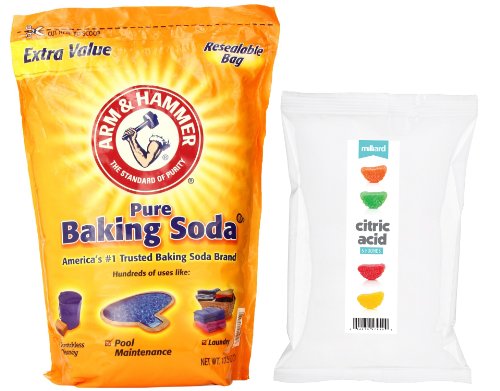
Next, I apply baking soda generously to the affected areas. I let it sit for several hours, or ideally overnight, to absorb any lingering aromas. Afterward, a vacuum is used to remove the powder, leaving a fresher scent behind.
If the odor persists, I utilize activated charcoal bags placed inside drawers or compartments. This natural deodorizer works wonders for continuous air purification and keeps my reclaimed items smelling clean.
For upholstered pieces, a spray bottle filled with a diluted fabric-safe cleaner can be a game changer. Lightly mist the fabric and allow it to dry, ensuring any trapped scents are lifted away.


In case of stubborn odors, repeating these steps may be necessary for the best results. Each method enhances the overall freshness of vintage treasures, making them a pleasure to enjoy.
Removing Odors from Salvaged Items
Asimple solution involves combining equal parts of white vinegar and water in a spray bottle. Lightly mist the surface of the item, ensuring it is not soaked. Allow it to air dry in a well-ventilated area. The vinegar neutralizes unwanted scents effectively.
Apply baking soda generously over all surfaces. Let it sit for several hours or overnight, then vacuum thoroughly. Baking soda absorbs unpleasant aromas, leaving a fresher environment.
Another option is to use activated charcoal. Place small bowls filled with charcoal around the area. This natural deodorizer eliminates persistent odors over time.
For upholstered items, steam cleaning is effective. Utilize a steam cleaner with a fabric attachment to penetrate the fibers, helping lift any lingering odors. Follow the manufacturer’s instructions for best results.
Alternatively, placing items in direct sunlight can be beneficial. Natural light and fresh air work together to break down odors. Ensure the item is in a shaded area after a few hours to prevent fading.
Lastly, consider essential oils. Mix a few drops with water in a spray bottle and lightly mist the surfaces. This not only masks odors but also imparts a pleasant fragrance.
Identifying the Source of the Odor
The first step in addressing the unpleasant scent is to locate its origin. Inspect the piece meticulously, paying close attention to seams, cracks, and crevices where dust, moisture, or residue may accumulate. Look for any signs of stains or discoloration that could indicate trapped particles.
Check Cushions and Upholstery
If the item features fabric upholstery, remove any cushions or covers if possible. These components often harbor odors due to absorbed moisture or previous spills. Consider performing a thorough cleaning or replacing them if they’re too compromised.
Inspect Wood and Other Materials
<pFor wooden pieces, examine both the surface and hidden areas for mildew, decay, or any water damage. If the structure is porous, it can retain odors more readily. Consider wiping down surfaces with a gentle solution to eliminate any residues that may be causing issues.
Cleaning Surfaces with Vinegar Solution
I recommend mixing equal parts of white vinegar and water in a spray bottle. This solution effectively neutralizes odors and cleans surfaces. Spray the mixture directly onto the affected areas, ensuring even coverage.
After application, let it sit for about 10-15 minutes to allow the vinegar to penetrate and break down unwanted particles. For stubborn patches, gently scrub with a soft cloth or sponge.
Rinsing Procedure
Once the cleaning is complete, wipe the surfaces with a damp cloth to remove any residue of the vinegar solution. Follow this by using a dry cloth to absorb excess moisture and promote quicker drying.
Tips for Best Results
To enhance the process, add a few drops of essential oil to the vinegar solution for a pleasant fragrance. Be sure to ventilate the area during and after cleaning to allow fresh air circulation.
This method not only cleans but also helps in long-lasting freshness. Regular maintenance with vinegar solution can prevent recurring issues in the future.
Using Baking Soda for Odor Absorption
I recommend applying baking soda to absorb persistent odors effectively. Start by sprinkling a generous amount of baking soda over the entire surface of the item. Ensure you cover all areas thoroughly for maximum impact.
Application Process
Leave the baking soda on the upholstery or surfaces for at least 12 to 24 hours. This duration allows the powder to draw out the unwanted scents effectively. After the waiting period, vacuum the excess baking soda carefully to remove it completely.
Tips for Enhanced Results
For better odor absorption, consider mixing baking soda with a few drops of essential oils before application. Choose scents like lavender or lemon to introduce a pleasant aroma alongside the odor-neutralizing effects. Ensure the essential oils are well blended with baking soda to maintain an even distribution during the application.
| Step | Action |
|---|---|
| 1 | Sprinkle baking soda over the affected area. |
| 2 | Let it sit for 12-24 hours. |
| 3 | Vacuum thoroughly to remove baking soda. |
| 4 | Optional: Mix with essential oils for added fragrance. |
This method is a straightforward solution for eliminating unpleasant odors from various items. Applying baking soda regularly can keep them smelling fresh over time.
Implementing Essential Oils for Freshness
I recommend using essential oils to infuse a pleasant aroma into your items. Start by selecting oils like lavender, lemon, or tea tree, which have natural deodorizing properties. Combine 10-15 drops of your chosen oil with water in a small spray bottle. This mixture can be lightly misted onto surfaces or into the air surrounding the pieces.
Application Techniques
Focus on soft furnishings, applying the mixture to cushions and fabric areas. Ensure that you don’t over-saturate the material to prevent moisture damage. Allow sufficient time for the aroma to disperse naturally. For wooden surfaces, place a few drops directly onto a cotton ball and wipe across the surface, leaving behind a subtle fragrance.
Creating Scented Sachets
An effective approach is crafting scented sachets filled with dried herbs or cotton balls soaked in essential oils. Position these sachets inside drawers or between cushions. This method not only masks undesirable odors but also provides a continuous fresh scent over time.
Utilizing Activated Charcoal to Eliminate Odors
Activated charcoal works wonders for absorbing unpleasant scents. To begin, acquire activated charcoal in loose form or as pre-packaged bags. I recommend using the loose form for larger items and the bags for smaller pieces. Place them strategically within or around the items needing treatment.
Steps for Effective Use
- Ensure the item is clean and dry before adding charcoal.
- Fill bowls or cloth bags with activated charcoal and place them in drawers, on shelves, or inside wardrobes.
- For larger surfaces, scatter some charcoal in a thin layer on the item’s surface, allowing it to sit for several hours or overnight.
- After the treatment period, remove the charcoal and vacuum any residue.
Tips for Maximizing Results
- For persistent odors, consider repeating the process multiple times.
- Keep charcoal bags in areas where airflow is restricted, as they help in aerating those spots.
- Pair charcoal with other odor-neutralizing methods for enhanced results.
Activated charcoal is a simple yet powerful tool in tackling unwanted fragrances. Using it effectively will significantly improve the atmosphere of any space.
Choosing the Right Fabric Fresheners
Select fabric fresheners designed specifically for upholstery or textiles. These products are formulated to penetrate deeper into fibers, neutralizing unwanted odors effectively.
Types of Fresheners
- Aerosol Sprays: Quick application, suitable for large areas. Ensure to ventilate the space during use.
- Fabric Sheets: Ideal for larger items. Just place them in cushions or between layers of fabric.
- Granular Fresheners: Sprinkle these on the surface, let them sit for a while, and vacuum them off. They absorb odors effectively.
Application Tips
- Test on a small, inconspicuous area first to check for color fastness.
- Avoid oversaturating; a light mist or sprinkle is sufficient.
- Allow items to air out after applying the freshener for maximum effect.
Choosing the right product contributes significantly to maintaining a pleasant atmosphere without overpowering fragrances. Reading labels helps identify natural ingredients versus synthetic options for a healthier choice.
Preventing Future Odors with Proper Maintenance
Regularly clean surfaces using a mild soap and water mixture to eliminate dirt and grime that may contribute to unpleasant scents. Wipe down areas with a soft cloth, ensuring all crevices are addressed.
Humidity Control
Maintain optimal humidity levels in your environment with a dehumidifier. Moist air fosters mold and unpleasant aromas, so keeping humidity below 50% is beneficial.
Regular Inspections
Periodically inspect the item for early signs of damage, such as moisture accumulation or mold growth. Addressing these issues promptly prevents the development of stronger odors.
Incorporate fabric sprays or neutralizers specifically designed for upholstery. Applying these sprays as part of your cleaning routine can help keep items smelling fresh.
Lastly, air out pieces by placing them in well-ventilated areas or outdoors on sunny days, allowing nature’s elements to refresh fabrics and materials.


