
 Caleb Turner
Vacuum all upholstered surfaces thoroughly, focusing on seams and crevices where these pests tend to hide. Use a vacuum cleaner equipped with a HEPA filter to ensure effective capture of even the smallest particles.
Wash all removable fabric items such as cushion covers, throw blankets, and any washable dog bedding in hot water. The high temperatures will help in neutralizing any remaining life stages of these nuisances.
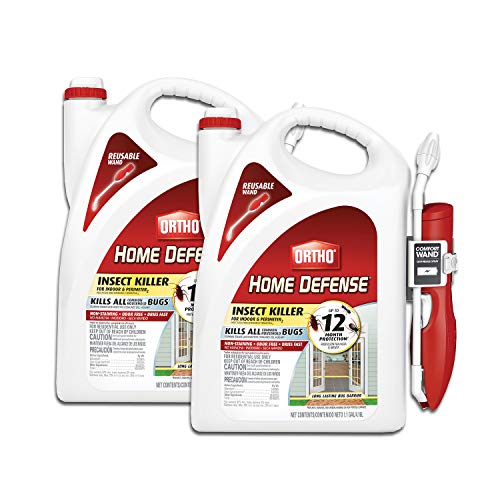
Apply a specialized insecticidal spray specifically designed for treating infestations in indoor spaces. Be sure to follow the manufacturer’s instructions carefully, ensuring the area is well-ventilated during application.
Regularly inspect and treat your pet for any signs of these tiny invaders. Using topical treatments or oral medications, as guided by a veterinarian, can help prevent future occurrences.


Create a routine where you groom your four-legged friend often. Frequent brushing and bathing can significantly reduce the chances of bringing unwanted minuscule pests indoors.
Finally, consider using diatomaceous earth around the perimeters of rooms and in areas where the pet spends time. This natural remedy can effectively deter and eliminate any lingering problems.
Identifying Canine Infestations in Your Home
First, inspect your pet’s bedding and favorite resting areas for signs of tiny, moving creatures or dark specks, which may indicate a problem. Look closely for small, white or reddish-brown mites. A magnifying glass can be helpful.
Check for excessive scratching or grooming behaviors in your pet; this can point to an infestation. If you notice sudden changes in their behavior, such as restlessness or discomfort, take this as a serious signal.
Inspect areas where your furry friend frequently spends time, including carpets, rugs, and any soft furnishings. Feel for rough patches or unusual textures, as these may harbor unwanted guests.
The presence of dry, flaky skin on your pet can also be an indicator. Collect some of this skin and examine it closely; you might see small specks moving under magnification.
Utilizing white sheets or a plain cloth can aid in spotting any fallen pests–tap your pet’s favorite spots and observe what falls onto the material. If you see small bugs or debris, further investigation is necessary.
Finally, consult with a veterinarian who may conduct specific tests to confirm any suspicions. Early detection can significantly simplify the process of managing these issues in your living environment.
Choosing the Right Cleaning Supplies
For effective elimination of unwanted creatures from your surroundings, I rely on a few key cleaning products. Start with a quality vacuum cleaner equipped with a HEPA filter. This technology traps tiny particles, ensuring thorough removal of unwanted pests and allergens. I recommend vacuuming often, focusing on crevices where these nuisances may hide.
Opt for enzymatic cleaners, as they break down organic matter and effectively target infestations. Human-safe formulas are preferable, especially in homes with pets and children. I have found these to be more efficient than traditional soap-based products.
Microfiber cloths are my go-to for dusting and wiping. These cloths capture dirt and debris better than standard rags, reducing the risk of redistributing contaminants. Use them alongside a suitable cleaning spray designed specifically to combat unwanted organisms.
Be sure to check labels for any specific instructions regarding application. Some solutions require dwell time to maximize their effectiveness against persistent issues. I always adhere to usage guidelines to ensure a safe and thorough cleaning process.
Lastly, consider adding essential oils known for their pest-repellent properties, like lavender or tea tree oil, to your routine. These not only provide a pleasant aroma but also serve as a natural deterrent against unwanted visitors.
Vacuuming Techniques for Effective Removal
Utilize a vacuum cleaner equipped with a HEPA filter to capture tiny particles effectively. Prior to vacuuming, ensure that the vacuum is fully functional and clean to enhance performance. I recommend focusing on seams, folds, and undersides of cushions, as these areas tend to harbor allergens and small pests.
Methodical Approach
Start vacuuming from the highest point in the room, working your way down to the floor. This technique prevents debris from settling on already cleaned surfaces. Use a crevice tool for tight spots and an upholstery attachment for larger surfaces. I find it helpful to vacuum slowly, allowing the suction to effectively collect any lingering particles.
Frequency and Routine
Incorporate a routine that includes vacuuming every few days, especially during active shedding seasons. Regularly changing vacuum bags or cleaning dust containers prevents re-infestation. After vacuuming, consider sealing the bags in airtight plastic to ensure any captured particles remain contained. This routine not only enhances cleanliness but also significantly reduces any potential irritants in the environment.
Washing Fabrics and Upholstery Properly
To eliminate unwanted pests in textiles, first check the care labels on your items. Use hot water settings (at least 130°F or 54°C) for washable fabrics, as this temperature effectively kills many types of contaminants.
For upholstery, consider using a steam cleaner. The high temperature can penetrate the fibers thoroughly. Before starting, always test an inconspicuous area to ensure no damage occurs.
Detergents and Additives
Choose a laundry detergent that includes enzymes specifically formulated to break down allergens and organic material. Adding a cup of white vinegar during the rinse cycle can enhance eradication of any remaining particles.
Drying Process
After washing, dry fabrics on high heat. Ensure items are completely dry to prevent any moisture that could support survival of unwanted organisms. For upholstery, use a vacuum attachment after steam cleaning to remove any loose debris.
Regularly washing items such as cushion covers and blankets promotes a cleaner environment, reducing the chances of infestations recurring. Maintain this routine every couple of weeks for optimal results.
Treating Furniture with Essential Oils
I apply a mixture of specific essential oils to combat unwanted visitors on my household items. Recommended oils include tea tree, lavender, and eucalyptus due to their natural repellent properties. Here’s how I do it:
| Essential Oil | Benefits | Mixing Ratio |
|---|---|---|
| Tea Tree Oil | Antimicrobial and repellent qualities | 10 drops per cup of water |
| Lavender Oil | Calming scent and insect deterrent | 10 drops per cup of water |
| Eucalyptus Oil | Strong repellent and antiseptic properties | 5 drops per cup of water |
I combine the oils with water in a spray bottle, shaking well before application. Lightly mist surfaces, allowing the solution to sit for 30 minutes for maximum effect, then wipe clean with a microfiber cloth. This not only helps with the issue at hand but also leaves a pleasant aroma in the space.
Regular treatments every two weeks ensure continued protection while keeping textiles fresh. I also recommend testing any mixture on a small, inconspicuous area first to avoid any potential discoloration on delicate materials.
Using Pest Control Products Safely
Always read the label before applying any pest control solution. Familiarize myself with the safety instructions provided by the manufacturer. Ensure proper ventilation in the area by opening windows or using fans to disperse potential fumes.
Wear appropriate protective gear, such as gloves and masks, to prevent skin irritation or respiratory issues. This is especially important when handling concentrated formulations. After application, wash hands thoroughly and avoid touching the face until the hands are clean.
Keep pets and children away from treated areas until they are completely dry. Follow the recommended re-entry time specified on the product label. If possible, relocate furnishings and personal items from the treatment zone to minimize exposure.
Store pest control products in original containers, tightly sealed and out of reach of children and pets. Dispose of any unused or expired chemicals according to local regulations to prevent environmental contamination.
Consider testing a small, inconspicuous area of any surface or material before full application to check for adverse reactions. If uncertain about a specific product, reach out to experts for guidance on safe usage.
Creating a Regular Cleaning Schedule
Establishing a consistent cleaning routine is fundamental. I recommend setting aside specific days for different tasks to ensure thoroughness and prevent infestations from returning.
Weekly Tasks
- Vacuum high-traffic areas and hidden spots, targeting carpets and under furniture.
- Address pet bedding and wash it in hot water to eliminate any lingering allergens.
- Wipe down hard surfaces using pet-safe disinfectants.
Monthly and Seasonal Activities
- Deep clean upholstery by steam cleaning or using professional services.
- Rotate whether to treat textiles with natural oils or chemical options to assess efficacy.
- Inspect baseboards, corners, and less accessible areas for signs of infestation.
Design the cleaning calendar that best aligns with personal schedules and preferences for maximum adherence. By committing to this schedule, I can effectively minimize unwanted invaders.
Inspecting and Maintaining Your Pet’s Environment
Regular inspection of your surroundings is essential for identifying hidden intruders. Check corners, under furniture, and behind appliances. Use a flashlight to closely examine these areas.
Routine Checks
Establish a routine to survey your living space weekly. Look for signs of unwanted organisms, such as tiny debris or skin flakes. Pay attention to where your animal spends the most time for enhanced focus.
Creating a Healthy Space
Maintain a clutter-free environment. Reduce the number of items in your home where pests could hide. Use storage containers with tight lids for seasonal bedding and toys. Regularly wash pet accessories like blankets and beds; aim for bi-weekly cleaning.
Limit access to certain areas by keeping doors closed and implementing pet gates where necessary. Discourage animal access to sofas and beds unless protective covers are in use. This helps minimize contamination from dander and hairs.
Ensure that airflow is optimal to prevent moisture buildup, which can attract various pests. Utilize dehumidifiers in damp areas of your home.
Consider using a designated area for grooming and bathing. This way, all loose fur and debris can be contained in one location.
When to Call a Professional Exterminator
If the infestation persists after multiple cleaning sessions, it’s time to seek expert help. A professional can assess the situation accurately and recommend potent treatments tailored to your needs.
- Increased Signs of Infestation: Noticeable scores of animals or their droppings that keep appearing after thorough cleaning efforts.
- Health Concerns: If any household members experience allergic reactions or skin irritations, consulting a specialist is advisable.
- Hidden Breeding Grounds: Difficulty locating the source of the issue indicates that professional tools and expertise may be necessary.
- Time Constraints: Busy schedules may hinder regular cleaning, making a professional service a more practical solution.
- Persistent Odors: Unpleasant smells that linger despite cleaning could signify a larger problem that needs evaluation.
Choosing to bring in a specialist can lead to effective eradication of troublesome critters and a healthier living environment.


