
 Caleb Turner
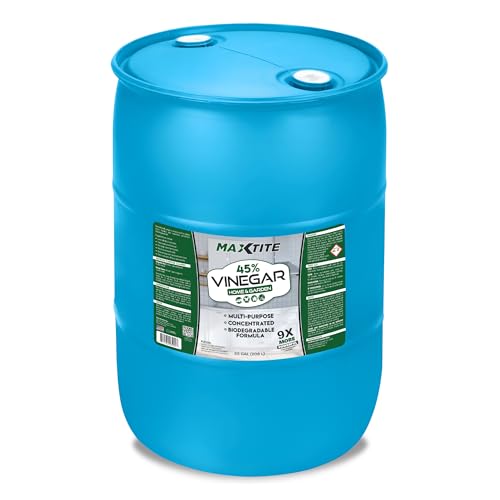
Mix equal parts of white vinegar and water in a spray bottle. This solution effectively neutralizes lingering odors. Spray directly onto the affected area and blot with a clean cloth to absorb excess moisture.
Next, sprinkle baking soda over the damp surface. Allow it to sit for several hours, ideally overnight. Baking soda acts as a natural deodorizer, absorbing stubborn scents. Once the time has passed, vacuum the area thoroughly to remove any residue.


If the scent persists, consider using an enzymatic cleaner specifically designed for organic stains. Apply according to the manufacturer’s instructions, as these products break down odor-causing compounds. After application, wipe with a clean cloth and allow the surface to dry completely.
For ongoing prevention, ensure proper cleaning routines are in place. Regularly vacuum and wipe down surfaces with a gentle cleaner, helping to maintain a fresh environment. Implementing these strategies allows the space to remain inviting and free from unwanted fragrances.
Getting Rid of Unpleasant Odors
I recommend using a solution of white vinegar and water to tackle the issue. Mix equal parts of both in a spray bottle. Apply this mixture directly on the affected areas, allowing it to sit for at least 10-15 minutes before blotting it with a clean cloth.
For stubborn residues, try baking soda. Sprinkle it generously over the surface and let it sit overnight. Vacuum the area the next day; this will absorb and neutralize lingering odors.
If the item is machine-washable, use enzymatic laundry detergent. This type of cleaner breaks down organic compounds that create the undesirable scents. Always check the care label first.
Activated charcoal is another powerful ally. Place a bowl of it near the contaminated area to absorb odors naturally over several days.
For those who prefer commercial options, look for specialized enzymatic cleaners labeled for this purpose. Follow the instructions carefully for best results.
Lastly, ensure that the area is well-ventilated during the entire process. Open windows and use fans to aid airflow, which helps in dissipating odors more effectively.
Identify the Source of the Odor
Locate the precise area affected by the unpleasant scent. Inspect all surfaces and materials where your pet may have marked. Fabrics can absorb odors, so be thorough in checking upholstered items, curtains, and cushions.
Use a black light; it reveals spots previously missed by the naked eye. The fluorescent glow indicates areas needing attention. Pay attention to corners, baseboards, and hidden areas under furniture.
If you suspect certain objects contain the odor, conduct a sniff test to confirm. Fabrics and porous materials often retain scents longer than hard surfaces. This exploration is crucial for effectively targeting the problem.
Consider the level of ammonia or other components in the odor, which can signal specific areas needing specialized cleaning methods. Drawing connections between scent strength and specific locations assists in prioritizing your cleaning efforts.
Choose the Right Cleaning Solution
I recommend utilizing enzymatic cleaners for their ability to break down organic compounds contained in bodily fluids. These products effectively neutralize the unpleasant odor. Look for solutions specifically designed for pet-related issues to ensure optimal effectiveness.
Alternative homemade options include a mixture of white vinegar and water in a 1:1 ratio. This natural solution can help alleviate persistent odors. Baking soda can also be an excellent adsorbent; simply sprinkle it on the affected area, let it sit for a few hours, and vacuum it up.
Also, consider hydrogen peroxide mixed with dish soap as a powerful cleaning agent. Combine 1 cup of hydrogen peroxide, a couple of drops of dish soap, and a tablespoon of baking soda. Test on a small, hidden area first to ensure no discoloration occurs. Apply it directly to the area, letting it sit before wiping it clean.
| Cleaning Solution | Type | Application Method |
|---|---|---|
| Enzymatic Cleaner | Commercial | Spray and blot |
| Vinegar Solution | Homemade | Apply and wipe |
| Baking Soda | Homemade | Sprinkle and vacuum |
| Hydrogen Peroxide Mixture | Homemade | Apply and rinse |
Test each solution to find the one that works best for your particular situation. The right choice will lead to effective odor elimination and a clean environment.
Test on a Small Area First
Before applying a cleaning solution widely, I recommend testing it on a small, inconspicuous area. This prevents potential damage or discoloration of the surface.
Steps for Testing
- Select a hidden spot on the item.
- Apply a small amount of the solution using a clean cloth or sponge.
- Wait for a few minutes to observe any reaction.
- Blot the area with a dry cloth to see if any residue remains or discoloration occurs.
What to Look For
After testing, check for:
- Fading or change in color.
- Any peeling or damage to the material.
- Lingering residue after drying.
Proceed with caution if no adverse effects are observed. If issues arise, try a different product or method specifically suitable for the material in question.
Apply the Cleaning Solution Properly
Spray the cleaning mixture directly onto the affected area, ensuring even coverage without soaking the surface. Allow the solution to sit for 5 to 10 minutes to penetrate the material. Use a clean cloth or paper towel to blot the area gently, absorbing moisture and odor. Avoid rubbing, as this can spread the liquid and worsen the situation.
For stubborn areas, apply a second round of the cleaning mixture, repeating the blotting process. Use a scrub brush with soft bristles for textured surfaces, applying light pressure. After treating the area, rinse with clean water and blot again to remove any residue from the cleaning agent. Always ensure the area is well-ventilated during the process to assist in drying and enhance odor elimination.
If possible, consider using an air purifier in the vicinity to further aid in removing lingering odors. This two-pronged approach of cleaning the surface and filtering the air ensures a more comprehensive solution to unpleasant scents.
Use Enzymatic Cleaners for Best Results
Enzymatic cleaners are my go-to solution for eliminating persistent odors from my belongings. These products contain enzymes that break down organic substances, effectively neutralizing the source of the unpleasant scent. When selecting an enzymatic cleaner, I make sure to choose one specifically designed for odor removal related to pets.
To apply, I saturate the affected area liberally, ensuring the cleaner penetrates deep into the fabric or surface. I always let it sit for the recommended duration, typically ranging from 10 to 30 minutes, allowing the enzymes to work thoroughly. Afterward, I blot the area gently with a clean cloth or paper towel, absorbing excess cleaner and fragrance.
I often repeat this process if the odor persists, as some material might require multiple treatments for complete effectiveness. After the final application, I allow the area to dry completely, which helps in further odor elimination. Regular cleaning with enzymatic solutions not only addresses existing problems but also helps prevent future occurrences.
Consider Natural Remedies Like Vinegar
I recommend using white vinegar as a natural solution to neutralize persistent odors. Mix equal parts of water and vinegar in a spray bottle and apply it directly to the affected areas. Vinegar not only helps to deodorize but also acts as a mild disinfectant, which can aid in breaking down residues.
Application Tips
Spray the mixture generously on the surface and let it sit for about 10 to 15 minutes for optimal effect. Afterward, blot the area with a clean cloth to absorb any excess liquid. This method is safe for many materials but always test a small, inconspicuous spot first to ensure it won’t damage the finish.
Follow-Up Steps
After using vinegar, it’s beneficial to air out the area to expedite drying. You may notice a temporary vinegary scent, but it will dissipate as the vinegar dries, taking unpleasant odors along with it. If needed, a final rinse with water can help eliminate any lingering vinegar scent.
Repeat Cleaning if Necessary
If the odor persists after the initial cleaning, I recommend repeating the process. Often, remnants of the scent can linger, especially in porous materials. Apply your chosen cleaning solution again, ensuring to saturate the area thoroughly.
After the second application, allow sufficient time for the cleaner to penetrate deep into the fabric or surface. If dealing with upholstery, using a steam cleaner might enhance the results. Make sure to follow up with a deep cleaning method suitable for the specific type of material.
In cases where I notice stubborn odors remain, I switch to a stronger enzymatic cleaner, as these are formulated to break down the compounds causing the unpleasant fragrance. Following this, I may also consider natural alternatives like baking soda. Sprinkling it over the treated area can help absorb any lingering scent.
Always ensure proper ventilation during and after the cleaning process. This can greatly assist in removing any remaining odors. If necessary, maintain the cleaning routine until I am satisfied with the results.
Prevent Future Incidents with Training
Establishing consistent routines and boundaries is key to minimizing unwanted behaviors. Start by reinforcing positive actions through rewards, creating an environment where your pet feels secure and comfortable.
Implement Positive Reinforcement
- Use treats or extra playtime to reward desirable behavior.
- Encourage using designated areas for elimination with consistent praise.
- Be patient; learning takes time and repetition.
Establish Clear Boundaries
- Restrict access to certain areas or items that seem to attract attention.
- Utilize barriers, such as gates, to limit exploration until behavior improves.
- Observe triggers and remove distractions that provoke unwanted actions.
Regularly engage in interactive play and provide stimulating toys to divert attention and alleviate boredom. This proactive approach contributes to a calm atmosphere, reducing stress related to encounters with new environments or changes.
Consult a professional trainer if you encounter challenges. They can provide personalized strategies tailored to your companion’s behavior and needs. Building a stronger bond through understanding and communication promotes a harmonious living space.
Use Furniture Covers for Protection
Investing in high-quality furniture covers is a proactive approach to safeguarding your upholstery from unpleasant odors. These protective layers create a barrier, preventing stains and odors from penetrating the fabric. Look for covers that are specifically designed to be waterproof or odor-resistant, as they will provide enhanced protection.
Choose covers made from breathable materials to ensure air circulation while also resisting moisture. This not only helps in avoiding unpleasant fragrances but also maintains the integrity of the furniture fabric. Opt for machine-washable varieties for easy maintenance; regular cleaning can significantly minimize lingering odors.
Additionally, consider options with adjustable fastenings for a snug fit, as loose covers can shift and expose your furniture to potential mistakes. Using furniture covers also gives you the flexibility to change styles without a significant investment, allowing you to keep a fresh look while protecting your possessions.
These covers can be particularly useful in households with multiple pets or during the introduction of a new animal to ensure everything remains pristine. By employing these protective measures, I’m better equipped to maintain a fresh and inviting living space.


