
 Caleb Turner
Vacuuming surfaces with a high-efficiency particulate air (HEPA) filter is a strong initial approach. This method eliminates not only the adult insects but also their eggs and larvae, which can thrive in upholstery and carpeting. Pay close attention to crevices, seams, and under cushions where these pests tend to hide.
Following vacuuming, using a steam cleaner can significantly enhance your efforts. The high temperature of steam penetrates deep into fabrics, effectively killing any remaining bugs at all life stages. Make sure to treat all soft surfaces thoroughly, including chairs and beds.


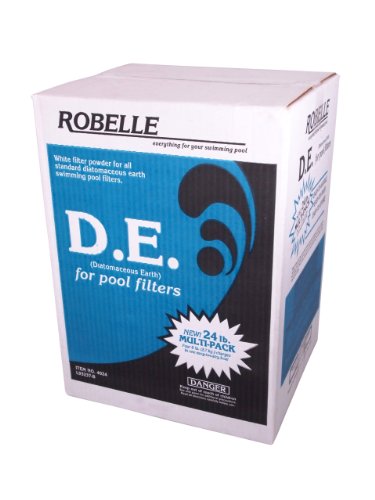
Incorporating diatomaceous earth can serve as a natural solution. Sprinkle this powder in areas where these nuisances are likely to dwell, allowing it to sit for a few hours before thoroughly vacuuming. The powder dehydrates insects on contact, contributing to their demise in a non-toxic manner.
Regularly washing textiles such as throws or pet bedding in hot water is another key strategy. High temperatures help ensure that any remaining eggs or larvae are destroyed. Coupling this with consistent cleaning routines will aid in maintaining a pest-free environment.
Using pheromone traps can assist in monitoring the presence of these pests and aid in controlling their population. Place these traps strategically to identify infested areas and evaluate the effectiveness of your elimination measures.
Eliminating Pests from Upholstery
I recommend vacuuming your upholstery thoroughly. Use a vacuum with a strong suction and an upholstery attachment for best results. Pay attention to seams, crevices, and under cushions where eggs and larvae may hide.
After vacuuming, consider steam cleaning to eliminate any remaining pests and eggs. The high temperature of steam penetrates fabrics, ensuring a deeper clean.
Another effective strategy involves using diatomaceous earth. Sprinkle food-grade diatomaceous earth on upholstery and let it sit for several hours before vacuuming it up. This natural substance damages the exoskeletons of insects, leading to dehydration.
Incorporate essential oils like lavender or cedarwood into your cleaning routine. These oils can deter unwanted insects due to their scent. Mix a few drops with water in a spray bottle and lightly mist your upholstery.
Regularly wash removable covers and blankets in hot water. High temperatures kill any present pests and help maintain cleanliness. Ensure to also wash pet bedding, as it can harbor these unwanted visitors.
To maintain an insect-free area, consider utilizing insect growth regulators (IGRs). These products disrupt the lifecycle of pests, preventing mature insects from reproducing.
Identifying Flea Infestation in Your Furniture
First, I inspect areas where pets frequently rest or play. Look for tiny black specks, which are often droppings indicating the presence of these pests. Transitioning from that, I check for signs of irritation on my pets, as scratching can hint at a problem, even if unseen.
Another method involves using a damp paper towel or cloth to wipe surfaces. If I see small dark spots, it’s likely that I’m dealing with an infestation. I also consider any recent changes in behavior from my pets, such as increased restlessness or discomfort when on couches or chairs.
Additionally, I examine crevices and seams in upholstery. Adult insects can hide within these small gaps. Vacuuming these areas helps to dislodge any hiding pests, while also clearing out eggs and larvae. Regularly checking vacuum bag or canister for evidence can further confirm an issue.
After a thorough check, I remain vigilant. If I notice issues persisting, it’s time to escalate measures and look into targeted treatments. Understanding the specific signs can help me address the problem effectively before it spreads further.
Choosing the Right Vacuum for Flea Removal
When tackling unwanted pests, selecting a suitable vacuum plays a significant role in eliminating them from your living space. I recommend looking for models specifically designed with strong suction capabilities and specialized attachments. A vacuum equipped with a HEPA filter effectively traps tiny particles, including eggs and larvae, enhancing the cleaning process.
Suction Power and Filtration
Opt for a vacuum that boasts powerful suction to lift debris and pests from carpets and upholstery. Consider canister or upright vacuums, as both styles can provide the necessary strength. The filtration system is equally crucial; HEPA filters not only reduce allergens but also capture even the smallest remnants of infestations.
Convenience and Attachments
Lightweight models are easier to maneuver around spaces, making it simpler to target infested areas. Look for vacuums with brushes or crevice tools, as these attachments assist in reaching tight spots and effectively dislodging pests. This targeted approach ensures a thorough clean, leaving less opportunity for pests to re-establish their presence.
Using Flea Sprays and Treatment Solutions
Opt for an insecticide spray specifically designed for tackling pests. Look for products that contain ingredients such as pyrethroids, which are commonly found in flea sprays. Ensure the spray is safe for use around pets.
Application Tips
- Vacuum thoroughly prior to application to remove any loose particles and increase treatment efficiency.
- Spray evenly on surfaces including upholstery, carpets, and beneath cushions. Make certain to cover seams and edges where eggs may reside.
- After spraying, allow the area to dry completely before allowing pets to return. This minimizes exposure to chemicals.
Alternative Solutions
If preferring a more natural approach, diatomaceous earth can be effective. This powdery substance works by dehydrating insects when applied to affected areas. Sprinkle lightly and leave for a few days before vacuuming it up.
Another option includes essential oils, like lavender and cedarwood. Dilute with water and spray onto surfaces. While not as potent as chemical sprays, they can help deter new infestations.
Regularly monitor the situation after treatments, and reapply as needed to ensure long-lasting protection against these nuisances.
Washing Fabrics and Textiles to Eliminate Fleas
I recommend washing all removable fabrics and textiles in hot water. Use a temperature of at least 130°F (54°C) to ensure that any eggs, larvae, or adult pests are killed. Items that can be cleaned include curtains, cushion covers, blankets, and pet bedding.
Steps for Effective Washing
1. Check Care Labels: Always review the care labels on your items to avoid damage during washing.
2. Pre-Treatment: Spray any heavily infested areas with a pet-safe flea treatment before washing. This helps to ensure maximum effectiveness.
3. Washing Machine Settings: Opt for the longest and hottest cycle suitable for the fabric type. Add a detergent that contains a stain-fighting agent for better results.
Drying and Additional Steps
After washing, I advise drying items on high heat. The dryer’s heat can help kill any remaining pests. For items that can’t be washed, vacuum them thoroughly, followed by applying a safe insecticide specifically designed for textiles.
| Item | Washing Instructions |
|---|---|
| Bedding | Wash in hot water, dry on high heat |
| Cushion Covers | Follow care label, use hot wash |
| Curtains | Wash in hot water, check fabric type |
| Blankets | Hot wash, high heat drying recommended |
Regularly repeating this process helps maintain a flea-free environment in your home. Incorporating this routine into your cleaning schedule will effectively reduce the chances of re-infestation.
Applying Natural Remedies for Flea Control
I recommend using diatomaceous earth as a natural approach. Dust this fine powder in areas where your feline rests. It disrupts the exoskeleton of these insects, leading to their dehydration and eventual demise.
An infusion of lemon can be beneficial. Boil sliced lemons in water and let it steep overnight. Use this mixture in a spray bottle to treat upholstery and cushions.
Essential oils are effective too. A blend of lavender and cedarwood applied in diluted form on textiles acts as a repellent. Ensure this solution is safe for your pet before application.
Boric acid can assist in eliminating larvae. Lightly sprinkle it on carpets and allow it to remain for several hours before vacuuming to eliminate not just adults but also eggs and larvae.
Herbs like rosemary and mint can deter these pests. Place sachets filled with dried rosemary or mint leaves in nooks and crannies. This method serves dual purposes of masking any lingering odors as well.
Finally, baking soda sprinkled on carpets can provide a dual action. It not only dehydrates but, when vacuumed after a few hours, it ensures that any remains are removed effectively.
Maintaining a Flea-Free Environment
Regular vacuuming is key. I ensure to vacuum all areas where pets frequently rest, including corners and beneath cushions. Using a vacuum with a HEPA filter captures tiny particles and pests effectively. Seal and dispose of the vacuum bag immediately to prevent any escape.
Establishing a Cleaning Schedule
I establish a weekly cleaning schedule. This includes washing pet bedding, blankets, and any removable upholstery covers in hot water. A minimum temperature of 130°F (54°C) is essential to kill any remaining pests and eggs.
Environmental Controls
Maintaining a clean yard contributes significantly to a pest-free home. I keep grass trimmed and remove debris where insects can breed. Adding diatomaceous earth around the perimeter creates a natural barrier, reducing risks of invasion.
I also reconsider the indoor humidity level. Installing a dehumidifier helps create an unfavorable environment for pests, discouraging them from settling in. Regularly checking for cracks or crevices in walls or baseboards aids in blocking potential entry points.
Inspecting and Treating Other Areas of Your Home
Start checking areas beyond just your upholstery and surfaces. Focus on carpets, under furniture, and any pet bedding. Thoroughly examine these spots as they can harbor unwanted pests.
Areas to Inspect
- Carpets and Rugs: Lift them up to check underneath, as eggs and larvae often hide in these spaces.
- Pet Beds: These are prime locations for infestations. Wash them regularly at high temperatures.
- Baseboards and Corners: Pay special attention to these less visible areas where debris accumulates.
- Cushions and Throws: Even small textiles can hide pests. Shake them out and inspect closely.
Recommended Treatments
Once inspection is complete, proceed with targeted treatments:
- Vacuum thoroughly, ensuring to dispose of the vacuum bag or empty the canister outside to prevent re-infestation.
- Utilize appropriate insecticides formulated for indoor use. Follow the manufacturer’s instructions meticulously.
- Apply diatomaceous earth around skirting boards and under furniture. It’s a natural option that can be very helpful.
Every treatment process should be repeated at intervals to ensure all stages of the lifecycle are addressed. Regular monitoring will help maintain a clear environment.
Consulting with Pest Control Professionals
I recommend reaching out to pest management specialists in cases of severe infestations. They possess targeted solutions and advanced techniques to tackle stubborn issues effectively.
Before scheduling an appointment, gather information about your problem. Take note of the areas affected and any attempts made at addressing the issue. This data helps the professionals customize their strategy.
Inquire about their methods and the chemicals used. Ensure these align with safety protocols for both animals and humans. Some companies offer eco-friendly options that minimize harm to the environment.
Upon arrival, the experts will conduct a thorough assessment. They may examine not just the surfaces but also carpets, cushions, and any crevices where pests might hide. Expect recommendations that could include vacuuming schedules, treatment plans, and potential follow-up visits.
After treatment, remain vigilant. Continuous inspection and adherence to their guidance ensure lasting results. If re-infestation occurs, maintain open communication with the pest control team for potential re-treatment options or adjustments to the strategy.
Trusting professionals not only saves time but also leads to a more effective resolution. Their expertise can restore comfort and peace to your living space.


