
 Caleb Turner
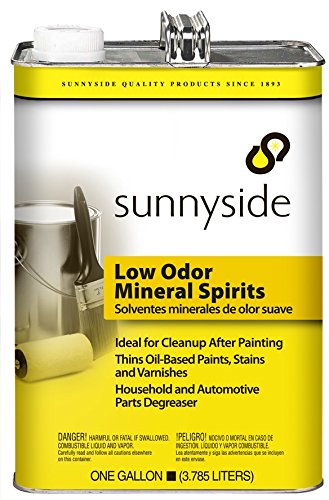
To begin the process of removing the aged wax coating from wooden surfaces, I recommend using a mixture of natural solvents. Combine equal parts of mineral spirits and white vinegar for an effective solution that safely lifts residues without damaging the wood’s finish.
Applying the solution with a soft cloth yields the best results. Gently rub the affected areas in a circular motion, allowing the mixture to break down the old wax. For stubborn spots, let the solution sit for a few minutes before wiping it away. Always test on a small, inconspicuous area first to ensure compatibility with your item.
For added effectiveness, a plastic scraper can assist in lifting off the softened layers. Take care not to gouge the wood; a gentle touch is key. Afterward, clean the area with a damp cloth to remove any remaining residue from the cleaning agents.


Lastly, allow the surface to dry completely before applying any new treatment. This method not only restores the appearance of your cherished pieces but also prepares them for further care and maintenance.
Assessing the Type of Finish on Your Furniture
Identify the finish on your piece by conducting a simple water test. Place a few drops of water on an inconspicuous area. If it beads up, you’re likely dealing with a polyurethane or varnish coating. If the water soaks in, it may have an oil-based or wax finish.
Evaluate the surface texture as well. A glossy finish usually indicates a shellac or lacquer application, while a matte or satin sheen suggests paint or natural oils. Gently running your fingers over the surface can also reveal a build-up of grime or previous treatments.
Using a cotton ball dampened with denatured alcohol will help differentiate finishes. If the cotton ball picks up color or becomes sticky, it indicates shellac. If it remains unchanged, the finish could be something more durable.
Take note of the age of the item. Antique pieces often feature oil or shellac, while modern furniture might use synthetic finishes. Understanding the era of the furniture can guide your approach to treatment.
Finally, consulting with a professional may be wise if you’re uncertain. A specialist can provide insights based on their experience, ensuring the right method for your piece.
Choosing the Right Materials for Removal
For successful elimination of unwanted substances from surfaces, I recommend utilizing the appropriate tools and cleaning agents. Begin with clean, soft cloths–microfiber options work excellently for protecting the wood while applying the necessary techniques. Avoid abrasive materials as they can scratch and damage the finish.
In terms of solvent, using a natural solution like mineral spirits or a commercial furniture stripper is advisable. These options are effective yet gentle enough to minimize harm to the underlying finish. Always read the label to ensure compatibility with your specific surface type.
Protective Gear
While working, I opt for gloves to shield my hands from chemicals and a mask for respiratory protection, especially in poorly ventilated spaces. Safety glasses can also help prevent any splashes from reaching my eyes.
Testing the Materials
Prior to widespread application, I conduct a patch test in an inconspicuous area. This allows me to evaluate the reaction between the chosen agent and the finish without risking the visible surfaces. If the results are satisfactory, I proceed with the removal using a gentle approach, applying the solution with a soft cloth and working in small sections.
Testing a Small Area Before Full Application
Begin the removal process by selecting an inconspicuous area on the item. This could be the underside of a table or a corner that is less visible. Apply a small amount of your chosen removal agent using a clean cloth or cotton swab. Observe for any immediate reactions, such as discoloration or damage to the surface. Allow the product to sit for the recommended time, typically a few minutes.
Evaluating the Test Result
Afterward, wipe away the solution with a damp cloth and inspect the treated area closely. Look for changes in the finish. If no adverse effects are visible and the old residue begins to lift, it’s a positive indication for proceeding. If there is any sign of deterioration, refrain from using that method on the entire surface.
Reassessing if Necessary
Should the initial test raise concerns, consider alternative products to ensure compatibility. Testing multiple options on different sections can yield better insights and help prevent further damage. Always prioritize the integrity of the surface throughout the testing phase.
Using Chemical Strippers Safely and Effectively
Always work in a well-ventilated area to minimize inhalation of harmful fumes. A fan can help improve airflow. I opt for a respirator or a mask rated for chemical vapors, safeguarding my lungs from exposure.
Protect skin and eyes with chemical-resistant gloves and safety goggles. I prefer nitrile gloves for their durability and resistance to various chemicals. Making sure my skin is covered completely reduces the risk of irritation.
Application Techniques
I follow the manufacturer’s instructions carefully when applying the stripper. Using a paintbrush or a putty knife, I apply it thickly to the surface, ensuring even coverage. For tough spots, I may use a small paintbrush for precision. Each product has its specific dwell time, so I wait the recommended duration before scraping.
Cleanup Process
Once the polish begins to bubble or lift, I carefully scrape it away with a putty knife. I keep a container nearby for collecting the removed material. Afterward, I wipe the area clean with a cloth dampened in warm soapy water to remove any chemical residue. To finish, I allow the surface to dry completely before moving on to any further refinishing work.
| Safety Equipment | Description |
|---|---|
| Respirator Mask | Filters fumes effectively. |
| Nitrile Gloves | Chemical-resistant and durable. |
| Safety Goggles | Protects eyes from splashes. |
| Ventilation Fan | Increases airflow in the workspace. |
Storing leftover chemicals in labeled containers in a safe location ensures they remain secure and identifiable for future use. Proper disposal of any used materials according to local regulations is also a paramount consideration. Following these guidelines helps me achieve optimal results while prioritizing safety during the restoration process.
Employing Heat Guns for Polish Removal
I recommend using a heat gun for efficient removal processes. This tool facilitates the softening of the finish, allowing for easier scraping. Set the heat gun to a low setting to prevent damage to the underlying wood.
Keep the nozzle approximately 6-8 inches from the surface. Move it back and forth to evenly distribute heat; focus on small sections at a time. Be cautious of not overheating, as excessively high temperatures can cause burns or cracks.
As the polish begins to bubble and soften, use a putty knife or scraper to gently lift it away. Maintain a steady, light pressure to avoid scratching the wood beneath. Always work in a well-ventilated area, as fumes can be hazardous.
After clearing each section, allow the surface to cool before assessing for any missed areas. Repeat the process until the finish is completely removed. This method not only saves time but also minimizes the risks associated with harsher chemical solutions.
Incorporating Natural Solutions for Gentle Cleaning
I often turn to natural solutions when evaluating options for cleaning antique surfaces. One reliable method involves a simple mixture of equal parts white vinegar and water. This blend not only acts as a mild solvent but also helps in loosening residues without harsh effects on delicate finishes.
Another effective approach involves using lemon juice and olive oil. The acidic properties of lemon can break down accumulated layers, while olive oil nourishes the wood. Applying this mixture with a soft lint-free cloth allows for gentle cleaning, leaving behind a subtle shine.
Baking soda serves as a slightly abrasive agent. Mixing it with a small amount of water to form a paste works well for tougher residues. My recommendation is to apply it sparingly on a cloth and rub gently, ensuring minimal impact on the surface underneath.
For scented options, I find combining essential oils with carrier oils enhances the experience. A few drops of lavender or tea tree oil can provide a pleasing aroma while aiding in the cleaning process. This not only makes the task enjoyable but also leaves behind a refreshing scent.
Lastly, using a microfiber cloth is key to ensuring that natural solutions work effectively. These cloths trap dirt and residue without scratching, providing a gentle touch suitable for valued items. My experience shows that these methods maintain the integrity of the finish, offering a safe and effective cleaning process.
Cleaning Up Residue After Polish Removal
Thoroughly inspect the surface to identify any leftover residue or streaks. Immediate cleaning after removal ensures better results. Use a microfiber cloth, as it effectively collects dirt without scratching the surface.
Steps for Effective Cleaning
- Mix a solution of warm water and a few drops of mild dish soap.
- Dampen a cloth in the mixture, wringing out excess liquid to prevent saturation.
- Gently wipe the area, following the grain of the wood to avoid damage.
- Rinse the cloth with clean water, then wipe the surface again to remove any soap residue.
- Dry with a separate clean microfiber cloth to prevent water spots or streaks.
Additional Tips
- If streaks persist, consider using white vinegar diluted in water as a natural cleaner.
- A soft-bristle toothbrush can help dislodge any stubborn residue from crevices.
- For stubborn areas, a small amount of mineral spirits on a cloth can be useful; ensure proper ventilation.
- Always follow up any chemical cleaning with a gentle soap solution to neutralize any harsh residues.
Regularly cleaning the surface maintains its beauty and prevents buildup in the future. Always store furniture in a dry environment to minimize the need for future treatments.
Reapplying Finish or Protectant to Restored Surfaces
I recommend selecting a suitable finish based on the wood type and existing condition after restoration. Options include varnish, polyurethane, oil finishes, or shellac. Each has specific characteristics influencing durability and appearance.
- Varnish: Provides a hard coating, ideal for high-traffic areas. It offers excellent protection against moisture and scratches.
- Polyurethane: Comes in oil-based or water-based varieties. Water-based options dry quickly, while oil-based variants provide a richer finish.
- Oil finishes: Easy to apply and maintain. They enhance the wood’s natural grain but require more frequent reapplication.
- Shellac: Creates a warm, natural look. It dries quickly and is easy to repair, though it may not withstand heat and moisture as effectively.
Before applying any finish, ensure that the surface is completely clean and free of products from the prior restoration. I suggest using a tack cloth to pick up any dust particles.
Apply the finish using a high-quality brush or a cloth, following the wood grain to achieve an even application. For larger surfaces, a foam applicator can also be beneficial. Allow sufficient drying time according to the manufacturer’s instructions, and consider adding multiple coats for increased protection.
After the final coat has dried, inspect the finish. If you notice imperfections, lightly sand the surface with fine-grit sandpaper and apply an additional coat to achieve a smooth, flawless surface.
Regularly checking the condition of the finish helps preserve the appearance and integrity over time. Reapply protectants as needed, especially in areas subject to higher wear.


