Caleb Turner
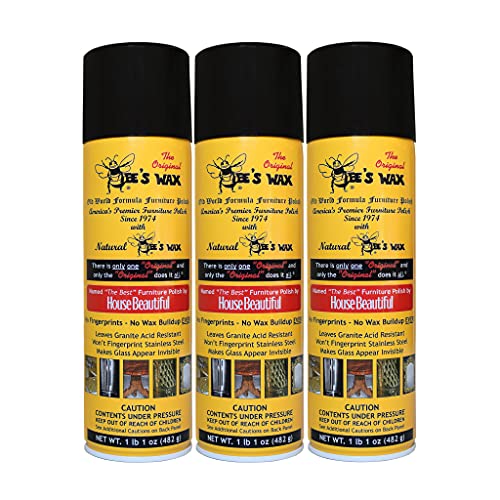
If you notice unwanted color marks on your beautiful wooden pieces, start by mixing equal parts of vinegar and olive oil. Apply this solution to a soft cloth, gently rubbing the stained area in circular motions until the blemish begins to fade.
For more stubborn discolorations, consider using a fine-grit sandpaper. Carefully sand the affected area, ensuring not to damage the surrounding finish. After removing the marks, wipe away any dust and apply a coat of furniture polish to restore the shine.
Alternatively, a mixture of baking soda and water can serve as a gentle abrasive. Create a paste, apply it to the marks, and scrub lightly with a microfiber cloth. Always test any method on a hidden spot first to ensure there is no adverse reaction to the treatment.

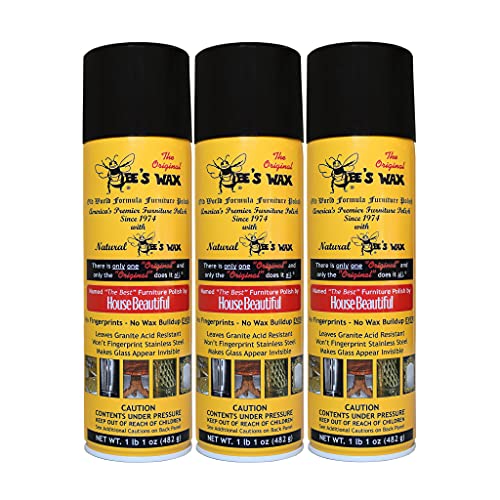
Lastly, if the marks persist, professional products specifically designed for restoring surfaces might be a worthwhile investment. Follow the manufacturer’s instructions for the best results.
Identify the Type of Paint on Your Furniture
Begin by examining the surface. If the residue is water-based, it will typically wash off easily with soap and water. Oil-based coatings will require a different approach and tend to have a stronger smell.

Common Types of Coatings
| Type | Characteristics | Removal Method |
|---|---|---|
| Latex | Water-soluble, dries quickly, low odor | Warm soapy water |
| Oil-based | Durable, strong odor, longer drying time | Mineral spirits or paint thinner |
| Chalk | Matte finish, soft texture, easy to distress | Soap and water or vinegar solution |
| Acrylic | Flexible, resistant to fading, water-based | Soapy water |
Testing for the Type
If unsure, conduct a spot test with a damp cloth. Dab a small area to see if the finish loosens. Alternatively, feel the texture; glossy surfaces likely indicate an oil-based layer, while matte finishes suggest water-soluble materials.
Choose the Right Cleaning Solution for Your Needs
I recommend starting with a gentle approach to maintain the integrity of surfaces. A mix of warm water and mild soap is often effective for light marks. Use a soft cloth to apply the solution and gently buff the area. This method is safe and typically prevents damage or discoloration.
For Stubborn Residue
If the initial solution fails, consider using a specific cleaner designed for the finish on your item. Products containing natural ingredients, like vinegar or olive oil, can help lift tougher stains without harsh chemicals. Always test any cleaner in an inconspicuous spot before applying it broadly.
Chemical Options
<p"For more persistent challenges, a solvent-based cleaner may be required, especially if the finish is robust. Always follow the manufacturer's instructions, and use gloves and proper ventilation to ensure safety. Keep a soft microfiber cloth handy for effective wiping and final polishing after applying any cleaner to leave the surface looking pristine."
Test on a Hidden Area Before Full Application
I always begin by selecting a discreet spot on the item, such as the back or underside, to conduct my initial test. This ensures that I can assess the effects of the cleaning agent without risking visible damage. A small area allows me to observe any adverse reactions to the solution.
After choosing the hidden location, I apply a small amount of the cleaner using a soft cloth or cotton swab. I let it sit for a few minutes before wiping it away gently. This timing helps me gauge how the surface reacts under normal conditions. If there is discoloration, peeling, or any unexpected changes, I know to avoid using that specific cleaner.
Once satisfied with the test area, I can confidently proceed with the entire surface. Conducting this preliminary check saves me from potential mishaps and ensures the preservation of my possessions. Always remember, a cautious approach pays off in the long run.
Use Soft Cloths to Avoid Scratching the Wood
Always opt for soft, lint-free cloths when addressing marks on delicate surfaces. Microfiber cloths are particularly effective, as they gently lift grime without causing harm. Avoid using abrasive materials such as steel wool or rough sponges, which can create unsightly scratches.
Recommended Options for Cleaning
I prefer using dampened microfiber cloths to tackle stubborn residues. Lightly moisten the cloth with your chosen cleaning solution, ensuring it’s not soaking wet. This approach minimizes moisture exposure to the finish, reducing the risk of damage.
Maintaining Your Vintage Pieces
For antique or vintage items, a gentle touch is crucial. I recommend using a clean, soft cotton cloth for initial cleaning to prevent scratches. Always treat these treasures with extra care and avoid any harsh treatments that can strip their natural beauty.
Apply Gentle Scrubbing Techniques for Removal
Utilizing a soft-bristle brush or a microfiber pad offers effective results without damaging surfaces. Apply light pressure while scrubbing to avoid scratches or dents. Here are specific techniques I find helpful:
- Circular Motions: Use small, circular movements to lift residue. This technique reduces the risk of damaging the finish.
- Work in Sections: Focus on one area at a time. This allows for thorough cleaning and prevents uneven results.
- Consistent Light Pressure: Apply just enough force to engage the dirt, ensuring the wood remains unharmed. A gentle touch works wonders.
- Rinse and Repeat: After scrubbing, wipe the area with a damp cloth to remove loosened particles. If any residue persists, repeat the process.
Pay Attention to Dried Areas
For stubborn, dried-on substances, consider using a bit more moisture to soften the build-up. Dampening the area for a few minutes before scrubbing may facilitate easier removal. Always test this method on inconspicuous spots first to ensure no adverse effects occur.
Finish with a Dry Cloth
After achieving the desired results, thoroughly dry the area with a clean, dry cloth. This step not only prevents water spots but also helps maintain the integrity of the wood finish.
Finish with Wood Polish to Restore Shine
Apply a quality wood polish after cleaning to rejuvenate the surface. This helps seal and protect the finish while enhancing the overall appearance.
Follow these steps:
- Select a polish that suits your furniture’s finish. Look for options labeled as suitable for your specific material.
- Use a soft, lint-free cloth to apply the polish, ensuring an even coat across the surface.
- Work in the direction of the grain to avoid streaks and ensure better absorption.
- Allow the polish to sit for a few minutes as per instructions to penetrate the wood.
- Buff the surface with a clean cloth, applying gentle pressure to bring out a natural shine.
Regularly polishing will maintain the furniture’s luster and provide a protective layer against future marks or damage.
Preventing Future Paint Scuffs on Wood Surfaces
To maintain the pristine condition of your beloved pieces, I recommend applying a protective sealant. This creates a barrier, minimizing the impact of stray marks and damage from paint. Choose a quality polyurethane, which provides durability while enhancing the natural beauty of the grain.
Regular Maintenance
Establish a routine for cleaning and polishing your items. A gentle solution specifically designed for wood can help prevent buildup that might attract discoloration. Additionally, using coasters and placemats can safeguard against direct contact that could lead to unwanted marks.
Strategic Placement
Consider the arrangement within your space. Avoid placing items in high-traffic areas where accidental contact is likely. If renovations or painting occur nearby, cover surfaces with drop cloths or old sheets to protect them from unintended splatters.
Lastly, educating others about the care of your items can go a long way. Ensuring that everyone in your household understands the importance of gentle handling reduces the risk of future damage.
FAQ:
What are some common household items I can use to remove paint scuffs from wood furniture?
You can use several common household items to effectively remove paint scuffs from wood furniture. Some popular options include baking soda mixed with water to form a paste, white vinegar, and a mild dish soap solution. A soft cloth or sponge can be used with these mixtures to gently scrub the scuffed area without damaging the wood finish.
Is there a risk of damaging my wood furniture when trying to remove paint scuffs?
Yes, there is a risk of damaging the wood furniture if the wrong method or too much force is applied during the cleaning process. It is crucial to test any cleaning solution on a small, inconspicuous area before applying it widely. Using soft cloths and gentle scrubbing techniques can help minimize any potential damage.
How can I determine if a paint scuff is fresh or dried, and does that affect how I should clean it?
Fresh paint scuffs are usually easier to remove than dried ones. You can tell if a scuff is fresh if it feels slightly tacky or has a brighter appearance. For fresh scuffs, a damp cloth can often lift the paint without much effort. Dried scuffs may require more abrasive methods or cleaning solutions. Knowing the age of the scuff can guide your choice of technique and cleaning products.
Are there any commercial products recommended for removing paint scuffs from wood furniture?
Yes, there are various commercial products specifically formulated for removing paint from furniture. Look for paint remover or adhesive remover that specifies it is safe for wood surfaces. Always read the labels and follow the instructions carefully to ensure safe use and to prevent damage to your furniture.
What preventative measures can I take to avoid paint scuffs on my wood furniture in the future?
To prevent paint scuffs on wood furniture, consider a few strategies: place protective covers or mats under items that may cause scuffing, handle objects with care, and ensure that paint projects are completed away from wooden surfaces. Regular maintenance, such as wiping down surfaces, can also help keep them in good condition and free from scuff marks.
What are some safe methods to remove paint scuffs from wood furniture without damaging the finish?
There are several methods to safely remove paint scuffs from wood furniture. One effective way is to use a mixture of warm soapy water and a soft cloth. Gently rub the affected area to lift the paint without scratching the surface. If that doesn’t work, you can try using a mixture of equal parts white vinegar and olive oil, which can help to break down the paint and nourish the wood simultaneously. Always test any solution on a hidden area first to ensure it doesn’t damage the finish.
How can I prevent paint scuffs on my wood furniture in the future?
Preventing paint scuffs on wood furniture can be achieved through a few proactive steps. First, consider using coasters and placemats for items that may lead to scratches or marks. Additionally, avoid placing furniture in high-traffic areas where it might get bumped or scratched. When painting nearby, cover the furniture with a protective cloth or drop cloth to shield it from accidental splashes. Regular maintenance, such as polishing the furniture, can also help strengthen the finish and make it more resistant to scuffs.