
 Caleb Turner

To rejuvenate your prized possessions, a simple mixture of vinegar and water works wonders. Mix equal parts of white vinegar with water in a spray bottle. Lightly mist the wood surface and allow it to air dry. This natural solution neutralizes unpleasant odors without damaging the finish.
A thorough cleaning with a specialized wood cleaner also helps. Look for products designed specifically for age-old wooden items, as they cleanse and restore the original shine while removing lingering scents. Apply with a soft cloth, ensuring to polish in the direction of the grain for best results.
Inserting odor-absorbing agents is another effective strategy. Place baking soda or activated charcoal inside drawers and compartments. Seal these areas for several days to allow these materials to absorb unwanted odors. This step is particularly useful for intricately carved or densely constructed pieces that may trap scents.
Lastly, consider enhancing the aroma. Placing cedar blocks or essential oils, such as lavender or lemon, within storage spaces not only masks any remaining unpleasantness but also imparts a pleasant fragrance that freshens the overall atmosphere of your room.

Identify the Source of the Odor
Begin with a thorough inspection of the piece. Look into hidden or hard-to-reach areas where moisture may accumulate, such as joints, drawers, and underneath surfaces.
- Check for signs of mold or mildew growth.
- Inspect the upholstery if applicable; fabric can retain unpleasant scents.
- Look for water damage or leaks nearby that could affect the item.
Remove any contents from drawers or compartments. Evaluate these items for signs of dampness or decay.
Feel the wood surface; if it feels damp or soft, this could be a major contributor to the unwanted aroma.
Assess the environment where the object has been stored. High humidity areas may lead to persistent odors. Consider adjusting the storage conditions if necessary.
Once the source is identified, it’s easier to implement targeted solutions to eliminate the issue effectively.
Clean Surfaces with Appropriate Solutions
I recommend using a mixture of equal parts white vinegar and water for cleaning. This solution is safe for various finishes and effectively neutralizes odors. Apply the mixture with a soft cloth, ensuring not to soak the wood.
If more stubborn residues exist, a gentle soap specifically for wooden items can be employed. Ensure it is diluted properly. Wipe surfaces clean, then rinse with a dry cloth to prevent moisture accumulation.
Baking soda is another excellent option. Create a paste by combining it with water and apply it to the affected areas. Allow this paste to sit for about 15 minutes, then wipe off with a damp cloth and dry thoroughly.
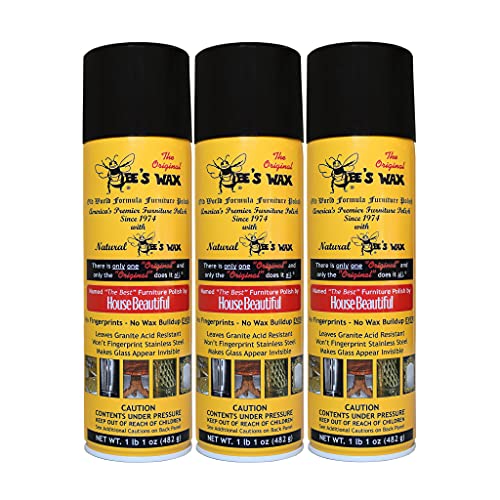
After cleaning, consider using a furniture polish that contains beeswax. This not only adds shine but also creates a protective layer against further dampness. Always test any product on a small, inconspicuous area first to check for compatibility.
For particularly persistent issues, a specialized wood cleaner with odor-neutralizing properties can be beneficial. These products are formulated specifically for older pieces, effectively eliminating trapped scents. Follow the manufacturer’s instructions for best results.
Use Baking Soda for Odor Absorption
I place an open box of baking soda inside drawers and compartments to absorb unwanted odors. The granular texture effectively captures moisture and odors over time.
For larger surfaces, I sprinkle a generous amount of baking soda on shelves and upholstery. I let it sit for several hours or, ideally, overnight. Afterward, I vacuum it up thoroughly, ensuring no residue remains.
Creating a Baking Soda Paste
If stains or residues accompany the unwanted scents, I mix baking soda with a small amount of water to form a paste. I apply this paste to affected areas, gently scrubbing with a soft cloth or sponge. After allowing it to dry, I wipe it off to remove both paste and lingering odors.
Periodic Maintenance
I leave small bowls of baking soda in various parts of the piece to prevent new odors from forming. Replacing these bowls every month keeps the interior smelling fresh.
Utilize Activated Charcoal for Deodorizing
I recommend placing bowls of activated charcoal in the interior of the piece. This material naturally absorbs odors, making it suitable for deodorizing environments affected by unpleasant scents. Choose high-quality activated charcoal for optimal results. Small bags or pouches filled with this charcoal can also serve as effective alternatives.
Leave the bowls or bags inside for several days, allowing time for the charcoal to absorb impurities in the air. Ensure good air circulation around the furniture during this process; openness enhances the charcoal’s performance. Once you notice a reduction in odors, remove the charcoal and check the item for any remaining unpleasant scents.
Activated charcoal can be reused after proper care. Simply place it in direct sunlight for a few hours to refresh it. Regularly maintaining the charcoal can ensure long-lasting effects, making this a simple yet efficient approach to achieving a fresher atmosphere.
Increase Air Circulation with Proper Ventilation
Ensure good airflow around cherished pieces by strategically placing them in well-ventilated areas. Avoid placing items against walls or in corners where air movement is restricted. Instead, create a space that allows natural breezes to circulate. If the humidity level is high, consider using fans to boost air movement.
Ventilation Strategies
Open windows and doors regularly to invite fresh air inside. Utilize exhaust fans or air purifiers with a ventilation function to enhance air exchange. For rooms with limited natural airflow, a dehumidifier can minimize moisture buildup, which aids in preventing unpleasant odors.
Seasonal Adjustments
During warmer months, consider rearranging furniture to maximize airflow. In cold seasons, maintain movement by keeping vents unobstructed. Regularly shift items slightly to prevent stagnant air pockets. This simple adjustment can significantly enhance the ambiance, allowing freshness to permeate throughout the space.
| Actions | Impacts |
|---|---|
| Open Windows | Promotes Fresh Air |
| Use Fans | Enhances Air Movement |
| Dehumidifiers | Reduces Moisture |
| Rearrange Furniture | Improves Circulation |
Maintain Regular Care to Prevent Future Odors
I ensure to dust and clean the surfaces frequently using soft cloths to prevent the accumulation of dirt and grime that can lead to unpleasant scents. For deeper maintenance, I use a mix of vinegar and water for wiping down wooden surfaces, as it effectively combats moisture without damaging the finish.
To keep air circulation optimal, I recommend placing the piece in a well-ventilated area, especially during humid seasons. I open windows when possible and utilize fans to enhance airflow around the item.
Occasionally, I incorporate moisture absorbers, such as silica gel packets or zeolite, within drawers or compartments to minimize humidity levels. It’s a proactive step that helps maintain a dry environment, hindering the development of undesirable fragrances.
I also perform regular inspections of the area surrounding the piece to identify spills, leaks, or signs of mold, addressing any issues immediately. This vigilance has proven invaluable in preserving freshness and integrity.
Lastly, I rotate the placement of decorative objects on the surface every few months. This not only brings a new aesthetic but also enables me to keep a closer watch for any signs of moisture or damage hidden underneath.


